This post contains affiliate links. As an Amazon Associate, I earn from qualifying purchases, at no extra cost to you.
Slushy sidewalks and slop-covered paws don’t need to wreck your floors. With a few smart upgrades, your entry can handle wet dogs like a champ. These 6 ideas streamline cleanup, speed up drying, and keep everything organized while looking polished. Ready to ditch the chaos and bring back calm?
⭐ Our Top Pick: See it on Amazon
1. Build a Low, Non-Slip Wash Zone With a Pull-Out Sprayer
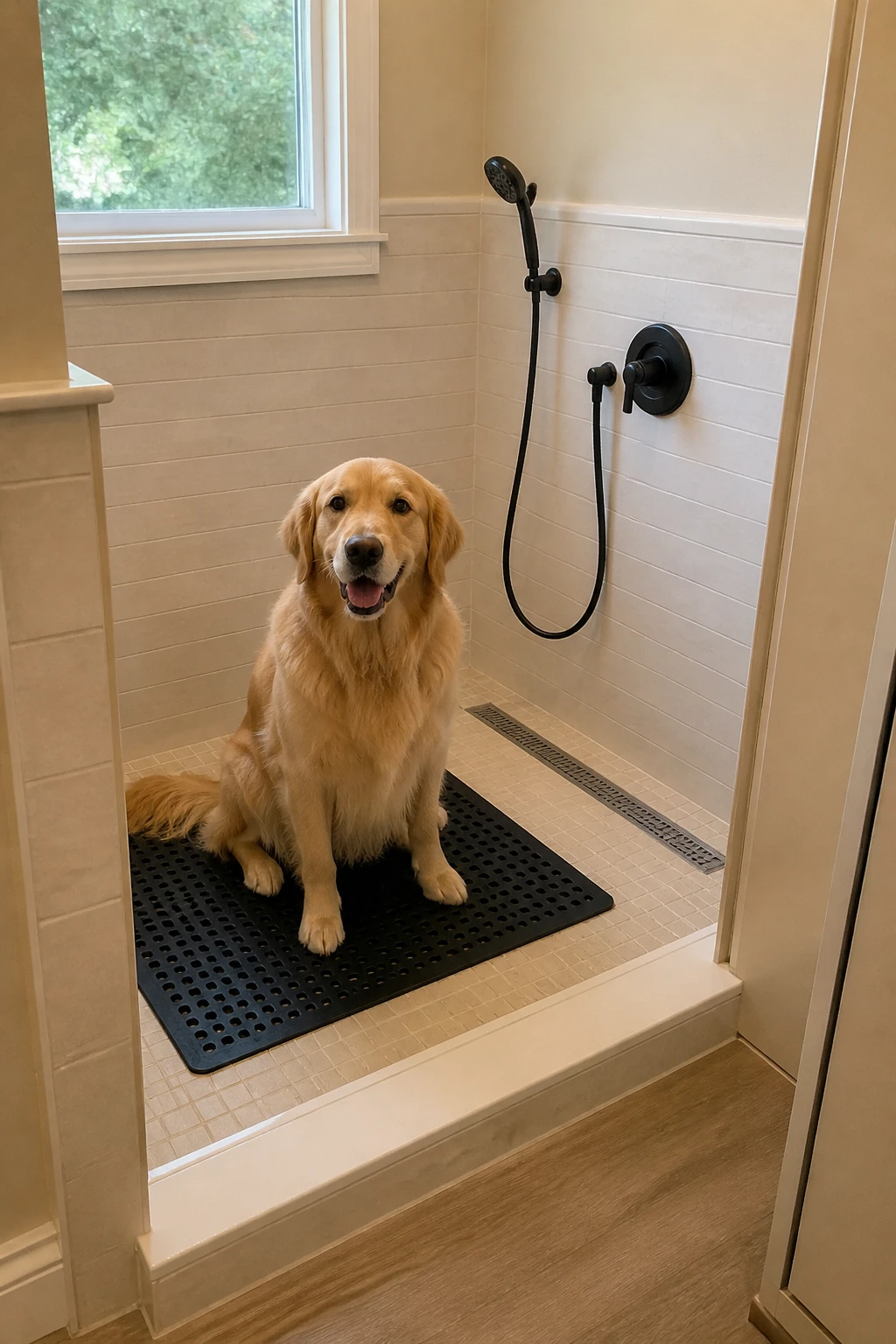
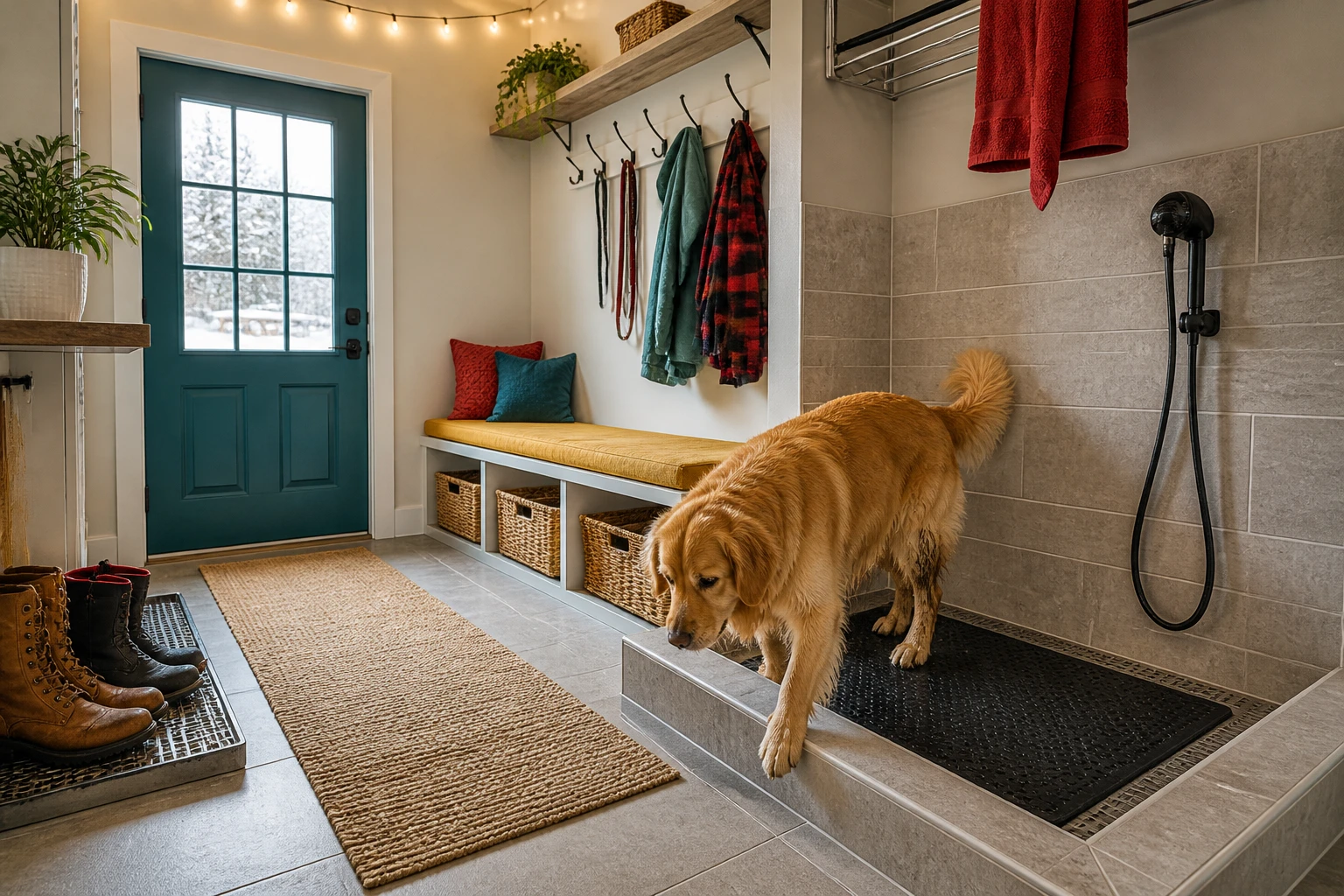
A dedicated rinse area turns winter cleanup from a wrestling match into a quick pit stop. Keep it low and walk-in so your pup steps right in without lifting, especially when they’re tired or wiggly.
Key Features
- Porcelain or textured ceramic tile with a non-slip finish
- 2–3 inch curb or a shallow shower pan with a center or linear drain
- Handheld sprayer with temperature limiter (to avoid hot surprises)
- Waterproof wall panels or tile up to at least 36 inches
Use a rubber floor mat inside the basin for extra traction. Add a small corner shelf for shampoo and paw balm, and place it high enough that curious chewers can’t reach. Set the water heater’s mixing valve so the sprayer never gets scalding—your future self (and your dog) will thank you.
Tips
- Slope the floor toward the drain at 1/4 inch per foot for smooth runoff.
- Choose epoxy grout or seal traditional grout twice a year to prevent stains.
- Install a splash guard or shower curtain to keep spray contained.
Worth it if you’re rinsing several times a week. I’d skip a tall dog tub unless you love lifting. Best for: Medium to large breeds, multi-dog homes, and anyone with heavy snow or clay soil.
2. Create a Double-Doormat “De-Mud” Lane
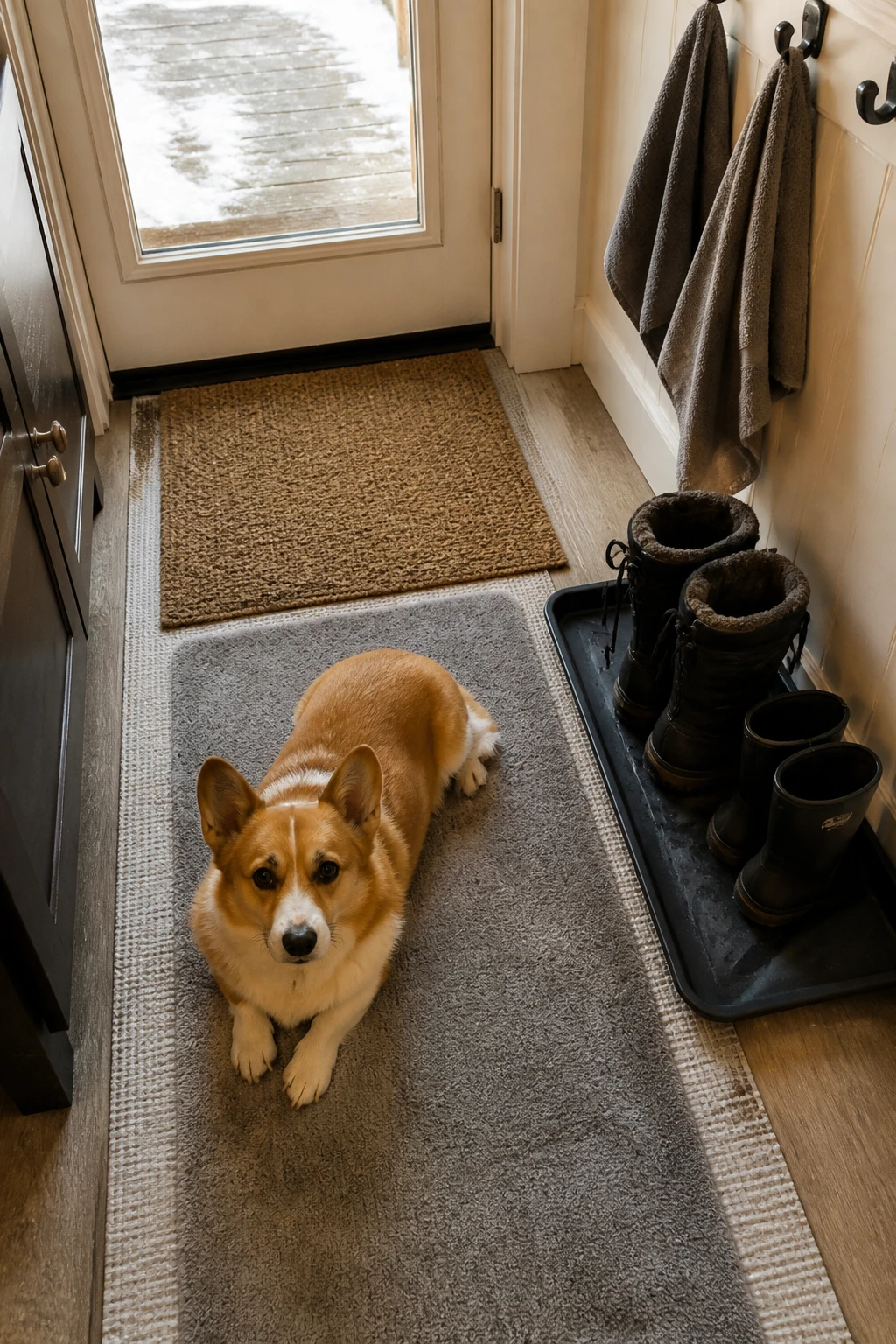
Before you reach towels, let the floor do half the work. A two-mat setup scrubs grit outside and soaks up moisture inside, which means fewer paw prints beyond the threshold.
How to Set It Up
- Outside: Coir or rubber scraper mat to grab clumps and ice melt granules.
- Inside: Microfiber or cotton runner to absorb water instantly.
- Add a low-profile tray for boots to keep meltwater corralled.
Layer a non-skid pad under the indoor runner to avoid slip-and-slide moments. Hang a couple of microfiber towels on wall hooks near the door at human shoulder height—high enough that pups can’t tug them down. Bonus points for a small, enclosed bin for used towels so the room stays neat.
Quick Wins
- Pick mats with beveled edges to prevent trips.
- Wash runners weekly; shake out the outdoor mat often.
- Avoid coir indoors if your pup chews fibers—choose looped microfiber instead.
IMO, this is the fastest upgrade for renters. I’d pick a dark, patterned runner to hide spots between washes. Best for: Any household, especially apartments or homes without space for a full wash station.
3. Add a Gentle-Dry Nook With Ventilation (No Hot Air Blasts)
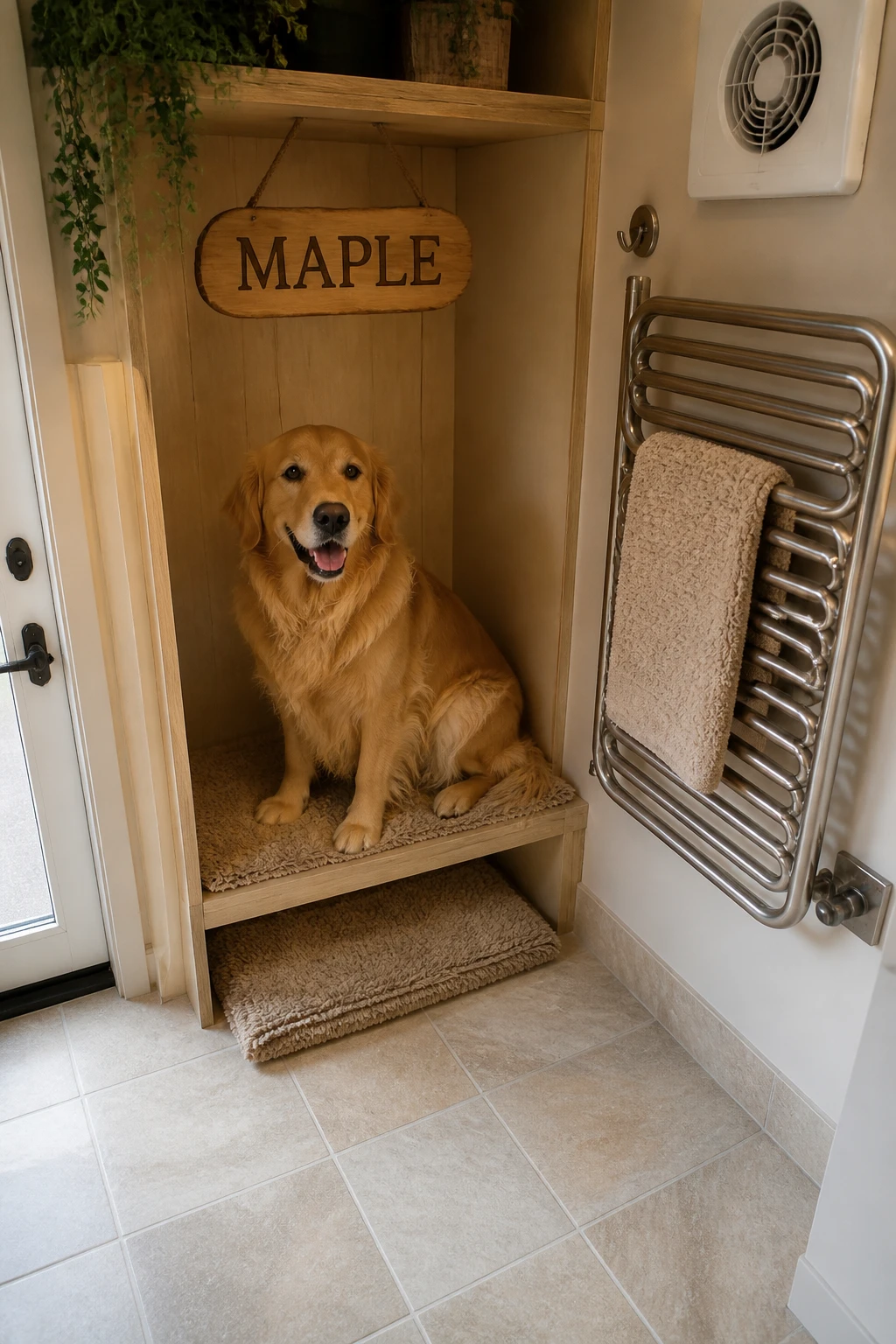
Forced heat right against fur can over-dry skin. Instead, combine low, even warmth with airflow so coats dry comfortably without hot spots.
Smart Components
- Radiant floor heat set to a safe temp (85–90°F surface max)
- Wall-mounted towel warmer with rounded bars and a cool-touch cover
- Quiet exhaust fan or dehumidifier to clear moisture fast
- Open-front cubby or wire-front cabinet for circulation
Place a washable, absorbent mat in the drying nook and rotate two sets so one’s always clean. If you use a space heater, keep it out of reach behind a fixed guard and never leave it unattended—seriously. Skip high-temp blowers; a simple box fan on low, directed away from the dog, plus warmth underfoot works better.
Safety Notes
- Use GFCI outlets. Moisture and electricity don’t mix.
- Route cords through cord covers or behind cabinetry to prevent chewing.
- Keep the room at low humidity (40–50%) to ditch that damp-dog smell.
Worth it if your pup takes ages to dry. I’d skip heated lamps; paws and noses don’t love them. Best for: Long-coat breeds, seniors who chill easily, and anyone in snowy climates.
4. Choose Wipe-Clean Storage Benches With Hidden Crate Space
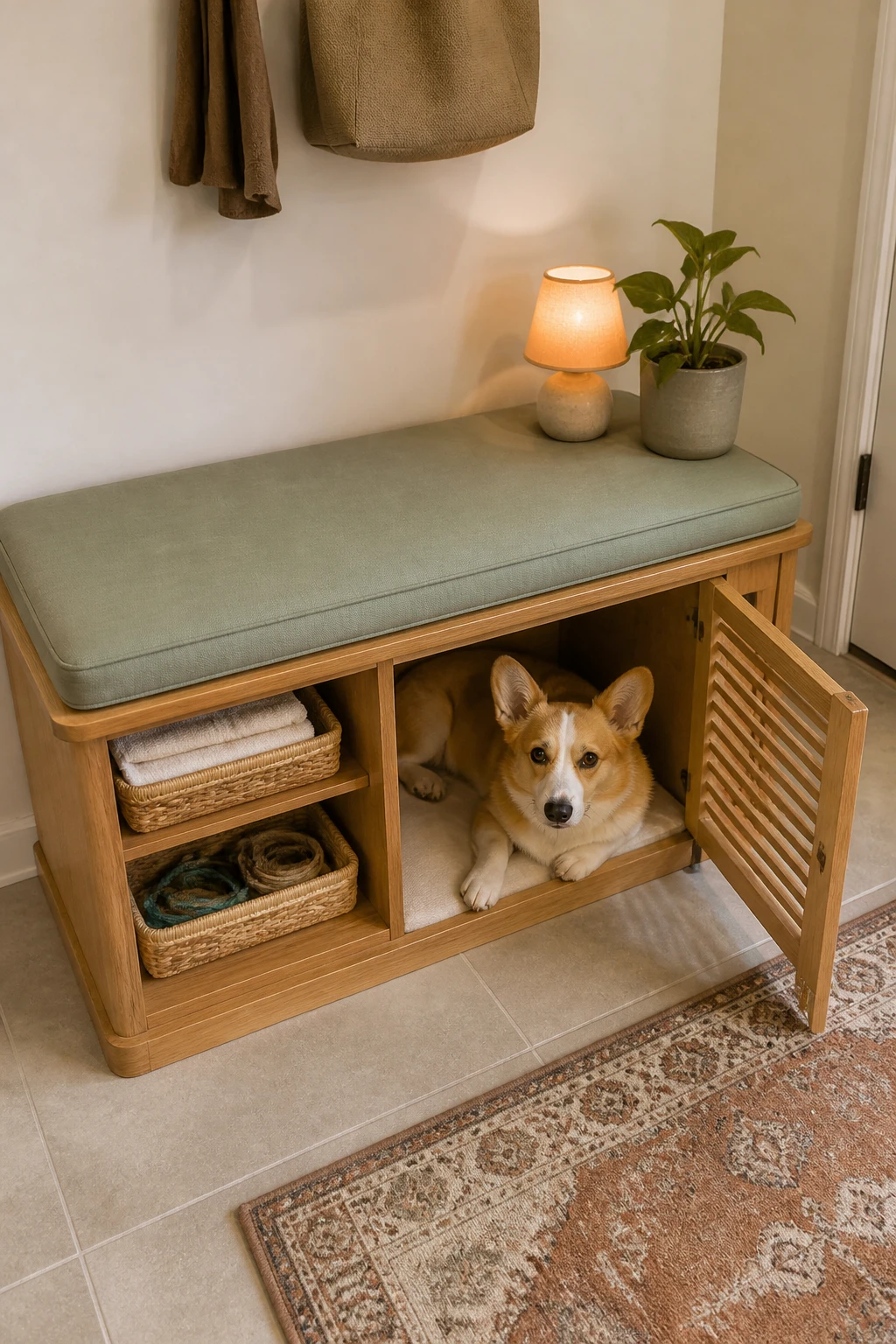
Seating plus storage keeps towels, leashes, and winter gear sorted. Add a ventilated compartment and it doubles as a calm hangout while paws dry.
Design Details
- Bench height 18–20 inches with a durable, wipeable cushion (outdoor fabric rocks)
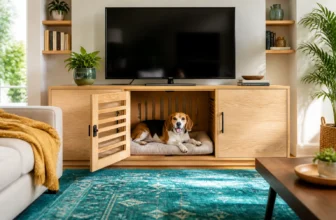
- Doors with slatted fronts or mesh panels for airflow
- Magnetic or soft-close latches to avoid rattling
- Rounded edges and chew-resistant materials (powder-coated steel, hardwood, HDPE)
Measure your dog’s standing height and length, then size the crate zone so they can turn around comfortably. If you’re retrofitting a cabinet, sand edges smooth and add ventilation panels. Keep cleaning products and ice-melt refills in an upper locked cabinet—never at muzzle level.
Organization Tips
- Label bins: towels, Paw Balm, wipes, extra collars, and spare leads.
- Use a shallow drawer for poop bags and winter paw wax.
- Mount a leash rail on the side of the bench to prevent tangled hooks.
I’d pick a bench with removable covers—launder and done. Avoid particleboard if your room gets damp. Best for: Families who need seating, storage, and a spot for a crate without clutter.
5. Protect Walls and Add Flexible Storage With Wainscoting and Slatwall
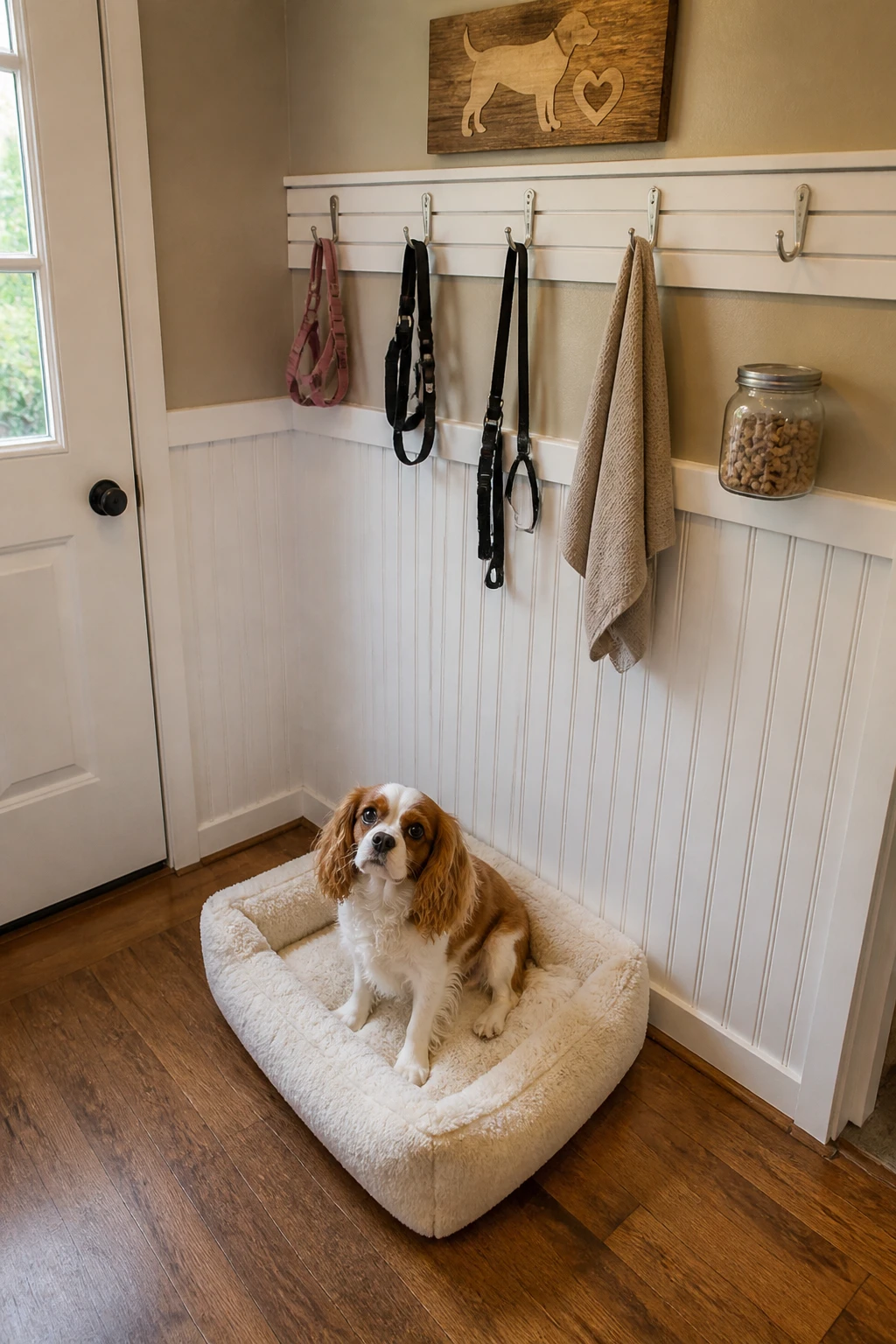
Wet shakes and muddy tail swishes can wreck drywall fast. A washable lower wall plus modular hooks gives you durable protection and grab-and-go organization.
Materials That Hold Up
- PVC or vinyl beadboard/wainscoting to 42–48 inches high
- Semi-gloss or scrubbable paint above for easy wipe-down
- Slatwall track with heavy-duty hooks for coats, harnesses, and towels
- Stainless or powder-coated hardware to resist rust
Install a small rail shelf at the chair-rail line to keep training treats or grooming brushes up out of reach. Use Command hooks for seasonal add-ons like a cap rack or a mini basket for paw wipes. Keep decor simple and sturdy—faux greenery or wood plaques placed high, never within chewing distance.
Setup Tips
- Seal caulk lines where panels meet the floor to block seepage.
- Space hooks 6–8 inches apart to avoid crowding and drips onto cushions.
- Place a drip tray beneath frequently used leashes during storms.
Worth it if your walls take a beating every thaw. I’d skip raw wood beadboard unless you love repainting. Best for: High-traffic entryways that get splashes, shakes, and gear overload.
6. Upgrade Flooring for Traction and Cleanup: Tile or LVP Done Right
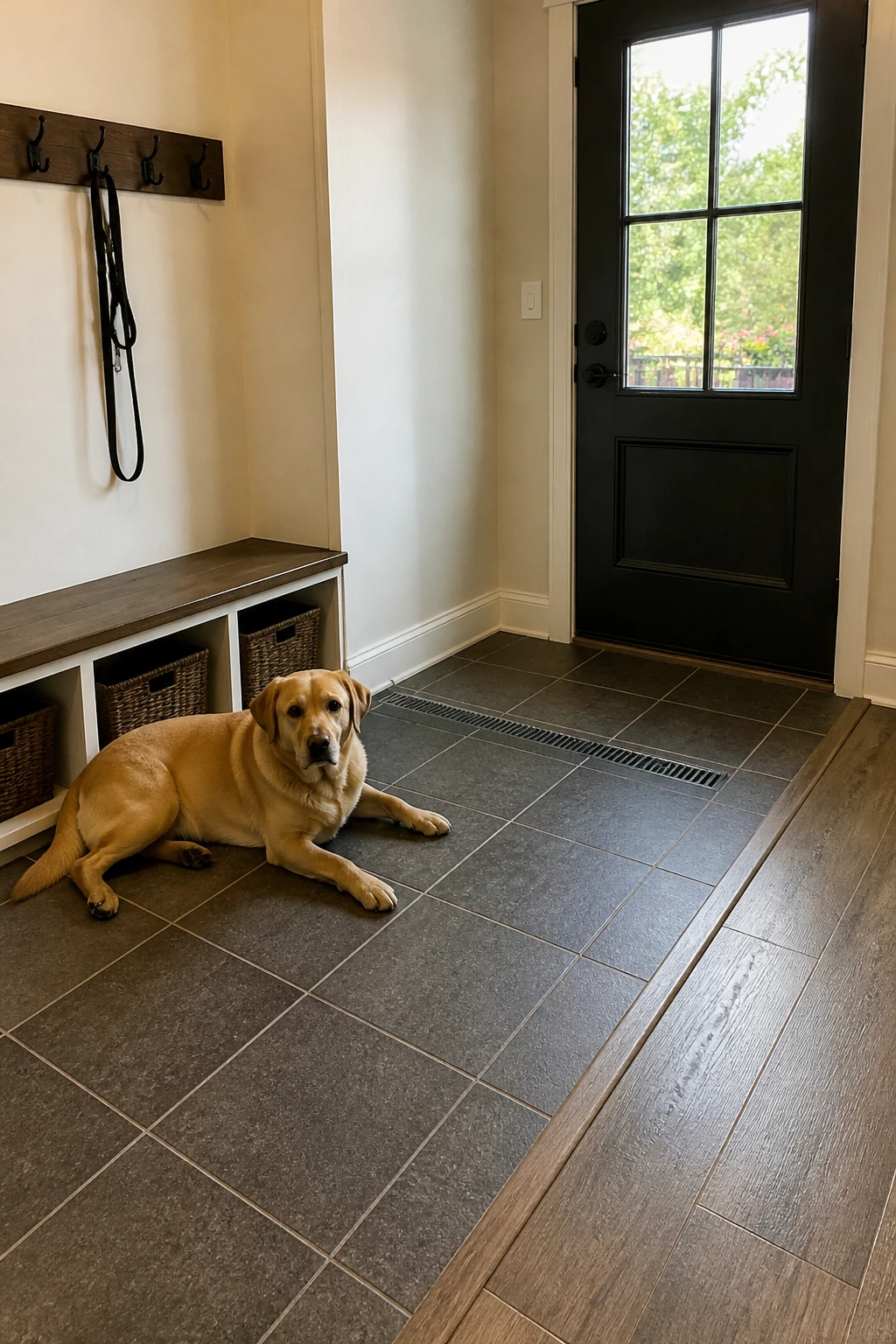
The right floor saves you hours. Choose materials that won’t turn slick when wet and won’t stain after one salty puddle.
Top Picks
- Porcelain tile: Dense, water-resistant, and available with high slip ratings (look for DCOF ≥ 0.42 wet).
- Luxury vinyl plank (LVP): Warmer underfoot, resilient, and quieter—great if you skip radiant heat.
For tile, use medium-to-dark grout or epoxy grout so stains don’t shout. For LVP, pick a textured finish and waterproof core. Add a slight slope to a floor drain if you’re renovating, or use a threshold at the door to trap meltwater in the room.
Paw-Friendly Extras
- Runner rugs with rubber backing to boost traction where dogs jump in or out.
- Anti-fatigue mats at the wash zone to ease joint stress for you and your pup.
- Door sweeps and weatherstripping to keep drafts down while drying.
I’d pick tile if you plan a full wash area; LVP if you want a warmer feel. Avoid glossy finishes—slips aren’t cute. Best for: Any home ready to invest once and breathe easy for years.
Common Mistake to Avoid
Don’t store ice-melt or cleaning solutions at dog level. Even “pet-safe” products belong up high in a closed cabinet. Also avoid slick tiles, overpowered heaters, and towel piles on the floor—mildew happens fast. Finally, skipping ventilation guarantees lingering dampness; add a fan or dehumidifier and use it every time.
FAQ
What flooring holds up best against winter mess?
Porcelain tile with a textured finish delivers unmatched durability and stain resistance. If you want something warmer and quieter, go for waterproof LVP with a grippy surface. In both cases, use runners in high-traffic lanes for added traction.
Are heated floors safe for dogs?
Yes, with limits. Keep surface temps under 90°F, use a thermostat, and avoid placing thick beds directly over sensors. For cautious pups or seniors, radiant warmth paired with good airflow dries coats gently without overheating.
How big should a rinse area be?
A 36 by 36 inch footprint works for most medium dogs; large breeds may need 42 by 48 inches. Focus on a low entry, non-slip surface, and a handheld sprayer. If space is tight, a curbless 30 by 36 inch stall with a linear drain still performs great.
How do I stop wet-dog smell in the entry?
Ventilation beats fragrance every time. Run an exhaust fan for 20–30 minutes after rinsing, wash rugs weekly, and keep towels rotating. Store grooming products sealed and off the floor to prevent musty odors, FYI.
What are renter-friendly options that won’t mess up the deposit?
Use a double-mat lane, a freestanding storage bench, and peel-and-stick wainscoting rated for moisture. Add Command hooks for towels and a small dehumidifier on a smart plug. You’ll get most of the benefits without drilling into walls.
How do I keep it looking pulled together, not like a kennel?
Match hardware finishes, stick to 2–3 colors, and choose wipeable fabrics that echo the rest of your home. Hide supplies in labeled baskets and keep decor out of reach and shatter-free. Function first, then add a few stylish touches up high.
Winter muck doesn’t stand a chance when your entry works this hard. Pick one or two upgrades to start—mats plus storage, or flooring plus a rinse zone—and you’ll notice the difference immediately. Clean paws, calmer routines, happier floors.
As an Amazon Associate, I earn from qualifying purchases.