This post contains affiliate links. As an Amazon Associate, I earn from qualifying purchases, at no extra cost to you.
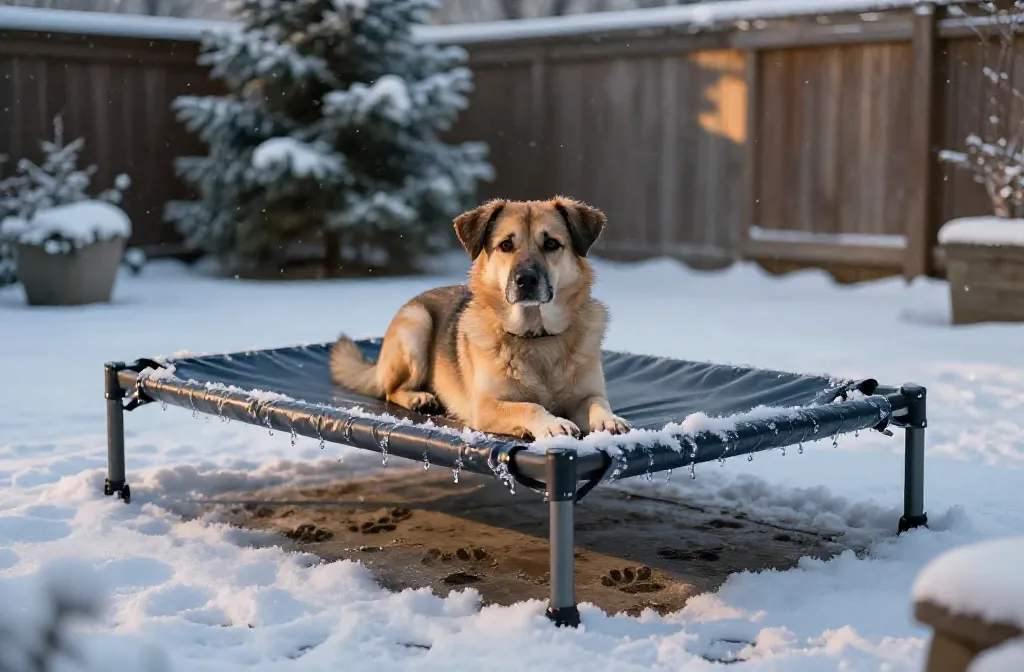
Wet bedding ruins winter hangouts for dogs fast. The right outdoor bed shrugs off slush, blocks ground chill, and dries in a flash. I rounded up smart designs and practical setups that actually stay dry when weather turns messy. Let’s get your pup a winter throne that can handle snow, drizzle, and mud without smelling like a swamp.
1. Elevated Cot Beds With Waterproof Mesh
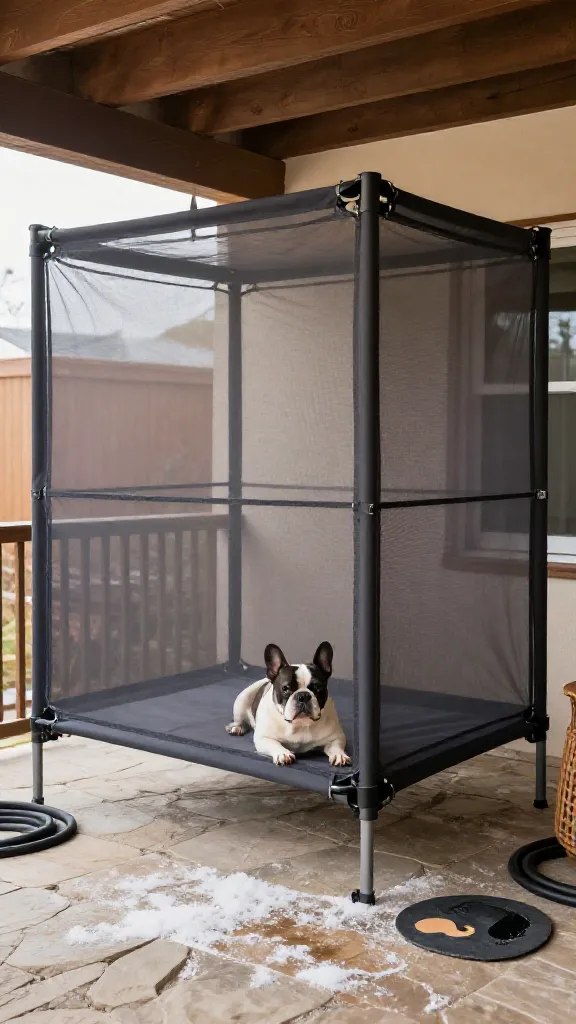
Raised cots are winter MVPs because they keep your dog off cold, soggy ground. The tensioned mesh drains meltwater, and air circulation helps everything dry quickly. Add a wind-blocking spot and you’ve got an instant all-weather lounge.
Why It Works
- Off-ground design breaks contact with frozen soil that wicks moisture.
- Breathable, coated mesh sheds water and mud instead of soaking it up.
- Hose-and-go cleaning keeps odors at bay and maintenance easy.
Tips
- Choose powder-coated metal frames or rust-resistant aluminum. I’d skip plain steel in damp climates.
- Look for vinyl-coated or PVC-coated mesh rated for outdoors. Tight weave helps block drafts without trapping water.
- Add removable corner straps to keep a pad or blanket in place on blustery days.
- Place the cot on pavers, decking, or gravel for drainage. Bare dirt gets sloppy.
Worth it if you want a quick-drying base that won’t turn into a sponge after flurries. Best for: medium to large dogs who nap outside between zoomies.
2. Waterproof-Fabric Beds With Removable Covers
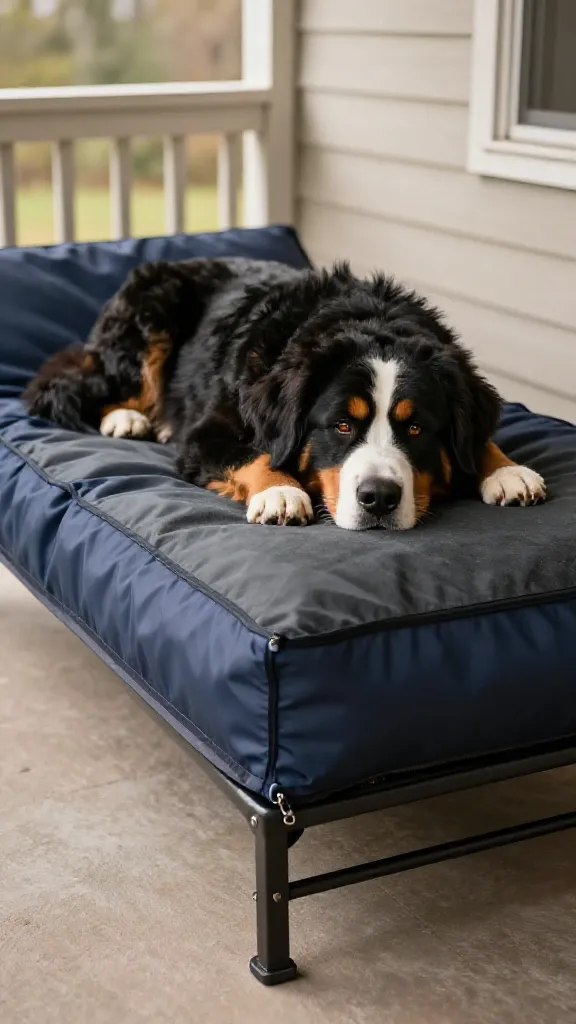
If your dog loves classic cushion beds, pick a version wrapped in serious outdoor fabric. Think marine-grade polyester or TPU-laminated canvas with sealed seams. Paired with a fast-drying insert, you’ll dodge that damp-dog funk.
Key Features To Look For
- Outdoor-rated shell: 600D+ polyester with PU coating, TPU-laminated canvas, or marine vinyl.
- Hidden, covered zipper: keeps water from sneaking into the fill.
- Closed-cell foam or encapsulated insert: resists absorbing water.
- Non-slip base: avoids sliding on decking or composite porch floors.
Setup Tips
- Position under a covered porch or awning to avoid direct snowfall.
- Keep a second cover on standby so you can swap and wash the wet one instantly.
- For deep winter, add a thermal layer on top: a fleece pad with a moisture-wicking underside.
I’d pick this for lounge-loving pups who want cushion without dealing with a drenched bed. Best for: dogs that prefer softness but spend time on a sheltered patio.
3. Insulated Dog Houses With Raised, Draining Floors
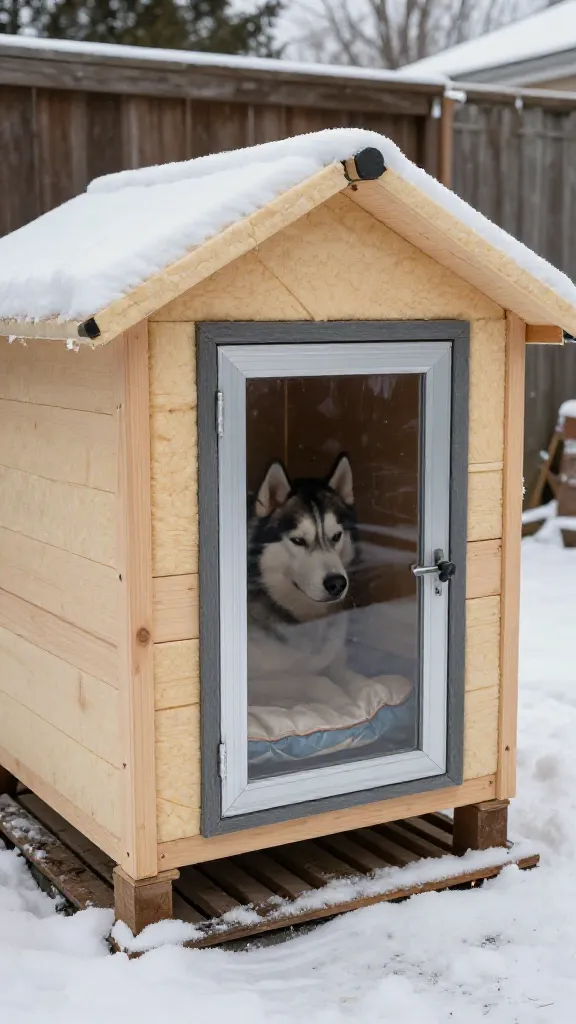
Think of this as the full-suite option: weatherproof structure, lifted platform, and a bed that never sits in runoff. With the right floor and doorway cover, you’ll keep interiors bone-dry even in sleet.
Build/Buy Checklist
- Elevated base: at least 2–4 inches off the ground with slats or drainage gaps.
- Rigid foam insulation in walls and roof, plus weatherstripping at seams.
- Offset door or flap to block wind-driven precipitation. Clear vinyl flaps work well.
- Removable interior bed with waterproof underside and washable top.
Practical How-To
- Lay down a rubber stall mat or interlocking outdoor tiles inside. They insulate and prevent pooling.
- Use a moisture-wicking liner under the bed (think technical fleece) so any tracked-in snow dries fast.
- Vent the top rear of the house slightly. A small vent prevents condensation that can dampen bedding.
Worth it if your dog settles outside for hours and you want a consistent microclimate. Best for: larger yards and pups who like their own “room.” Safety note: avoid heaters with exposed cords or elements; if you must, use low-voltage, chew-resistant products rated for pets and follow the manufacturer’s clearance rules.
4. Heated Pads With Waterproof Covers (Used Safely)
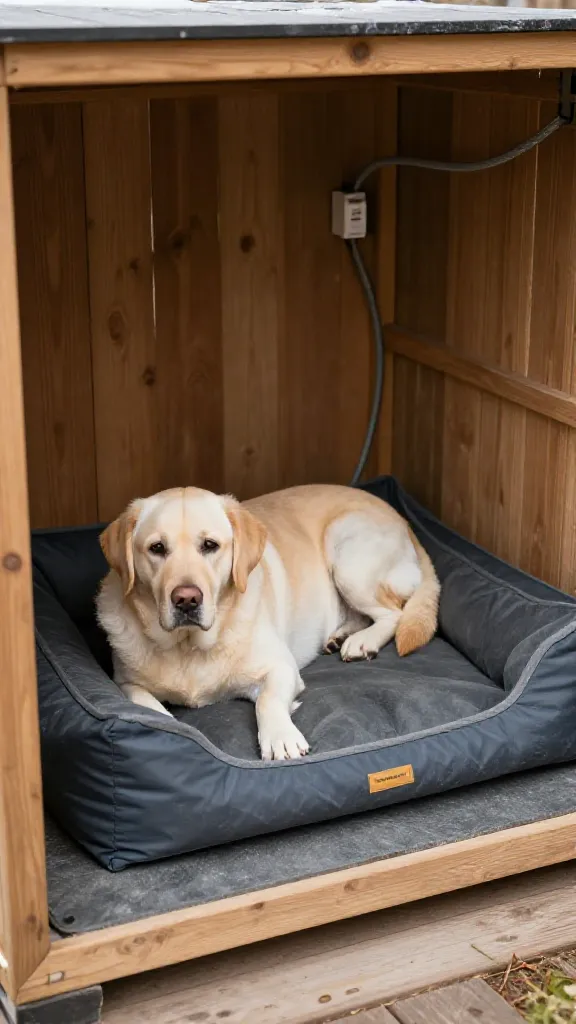
Heat helps battle dampness and ground chill, but safety first. Pick low-wattage outdoor-rated pads with chew-resistant cables and pair them with a tough, water-repellent cover. The warmth speeds drying while keeping joints limber.
Safety First
- Outdoor-rated only: look for weatherproof enclosures and UL/ETL listing.
- Chew-guard cords and a cord conduit that routes out the back of a house or under a deck edge.
- Place on an elevated surface or inside a shelter so it doesn’t sit in puddles.
- Thermostatic control or a built-in regulator to prevent hot spots.
Pro Tips
- Layer order matters: heated pad on bottom, then a waterproof cover, then a washable fleece topper for comfort.
- Use a GFCI outlet outdoors and keep connections off the ground and covered.
- Inspect weekly for damage. I’d skip heated solutions for heavy chewers.
Worth it if your dog shivers or has arthritis and needs steady warmth. Best for: supervised outdoor lounging, covered spaces, and calmer dogs that ignore cords.
5. DIY Pallet Platform + Drainage Mat + Weatherproof Pad
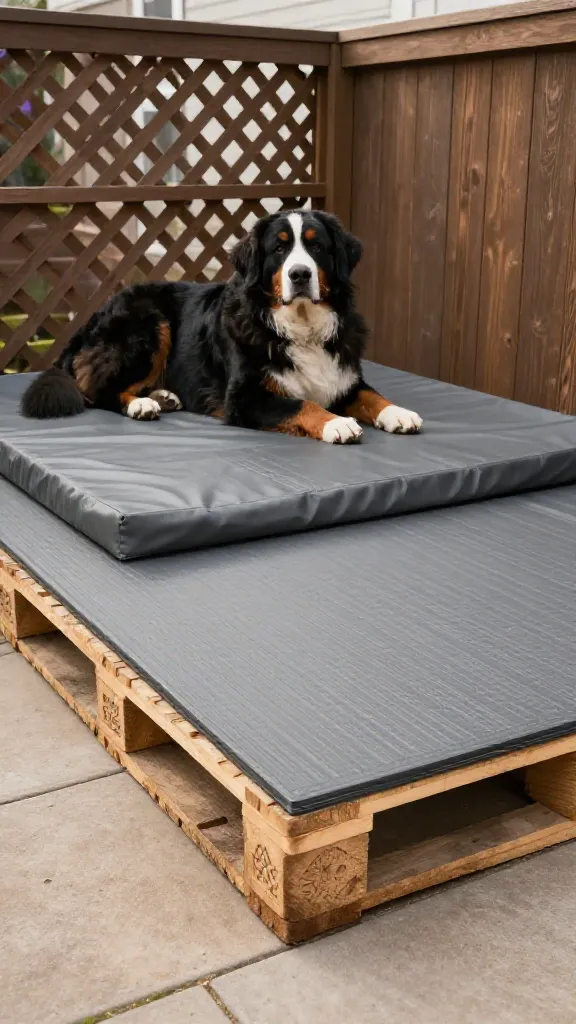
Want a budget-friendly, no-sog project? Build a quick platform that drains, then top it with a bed that resists moisture. You’ll get airflow from below and a dry, comfy surface above—without fancy tools.
Materials
- Heat-treated pallet (HT stamped), sanded smooth to avoid splinters.
- Rubber drainage mat or perforated deck tiles.
- Outdoor bed pad with TPU-laminated fabric or marine vinyl underside.
- Optional windscreens: freestanding lattice or privacy panels to cut drafts.
Build Steps
- Level a small area with gravel for runoff. Set the pallet on pavers to lift it higher.
- Lay the drainage mat on the pallet so meltwater can escape.
- Top with the weatherproof pad, then add a washable fleece as a comfort layer.
- Secure with hook-and-loop straps so the wind doesn’t claim your handiwork.
I’d pick this if you like simple, replaceable parts and quick cleaning. Best for: handy owners who want flexibility and a platform that actually stays dry after flurries.
Common Mistake to Avoid
Skipping drainage. Even the toughest fabric fails if water pools underneath. Always elevate the bed, choose surfaces like gravel or decking that shed moisture, and avoid placing beds where roof runoff dumps. Also, don’t pile thick blankets directly on damp ground—they trap moisture against your dog’s body and stay wet for hours.
FAQ
How do I keep outdoor dog beds from smelling musty in winter?
Use waterproof shells with removable covers and wash them weekly. Hose down elevated cots and let them air-dry in sunlight when possible. Add a quick-dry fleece topper and rotate two covers so one stays clean while the other dries.
Are heated outdoor beds safe in snow?
Yes—if they’re outdoor-rated, used with a GFCI outlet, and kept off standing water inside a shelter. Choose chew-resistant cords, verify safety listings, and check gear often. If your dog chews wires, skip heat and use an insulated house plus an elevated bed instead.
What fill works best for a dry winter bed?
Closed-cell foam or encapsulated inserts beat loose polyfill, which holds moisture. Look for foam with a waterproof liner and a tough cover so snowmelt can’t sneak into the core.
Can I use a tarp under the bed?
Only if it’s not flat on the ground. A tarp traps moisture unless you add airflow. If you use one, tension it under a raised platform or pallet so water runs off and doesn’t puddle beneath the bed.
How big should the bed be for winter?
Size it so your dog can curl up and conserve heat, but not so small they hang off the edge. Measure nose-to-rump when curled and add a few inches. For thick-coated breeds, give a bit more room; for short-haired pups, snug fits feel warmer.
Winter naps outside shouldn’t mean damp fur and shivers. Pick an elevated or waterproof setup, add smart layers, and give your dog a dry landing spot that stands up to slush and sleet. You’ll both appreciate the fresh air—minus the muddy mess.
As an Amazon Associate, I earn from qualifying purchases.