This post contains affiliate links. As an Amazon Associate, I earn from qualifying purchases, at no extra cost to you.
Your dog shouldn’t shiver through cold nights while you’re wrapped like a burrito. Good news: a warmer, snugger bed doesn’t require a full remodel or fancy gadgets. With a few smart tweaks, you can lock in warmth, cut drafts, and make nap time irresistible. Let’s turn your pup’s spot into the comfiest nook in the house—without spending a fortune or cluttering your space.
1. Layer Warmth The Right Way (Not Just More Blankets)
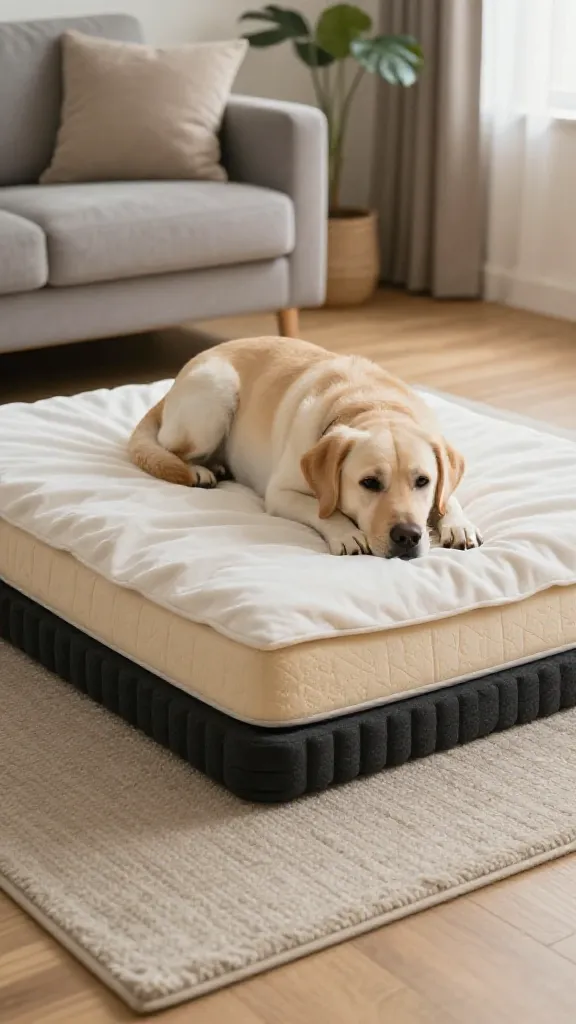
More layers don’t always mean more warmth. Use smart layering so the bed traps your dog’s body heat and blocks chilly air from the floor. This simple setup transforms a flat cushion into a toasty nest.
How To Layer
- Base: Place a closed-cell foam pad or a dense rug pad under the bed to stop cold seeping up from hard floors.
- Core: Use a supportive mattress (orthopedic memory foam or high-density foam). Foam should be at least 3 inches thick for medium dogs, 4–6 inches for large breeds.
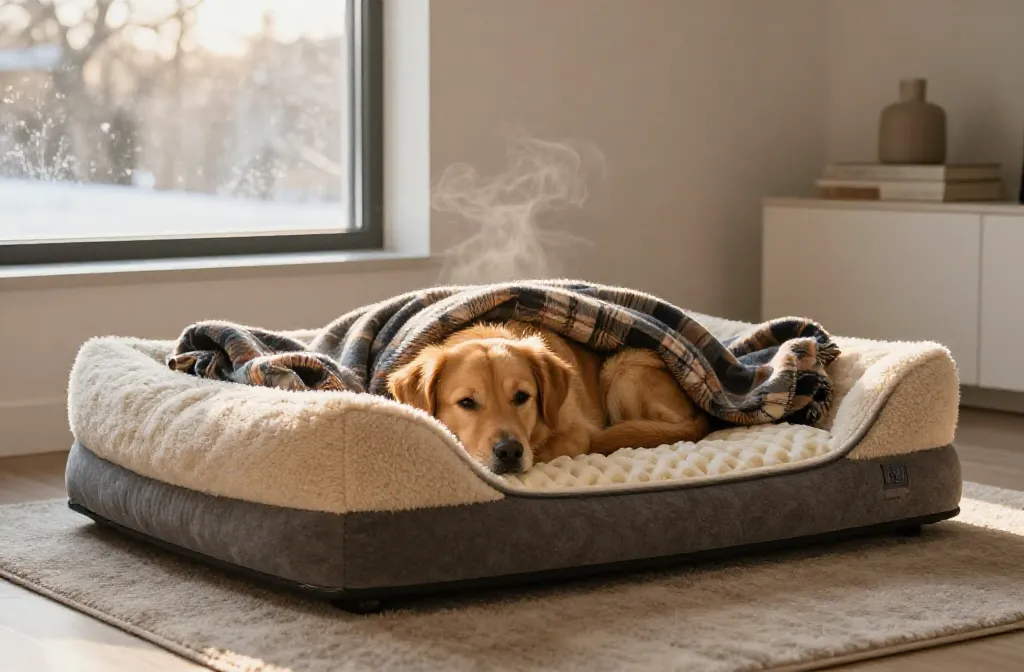
- Topper: Add a fleece or sherpa cover that grips heat. Choose removable, machine-washable covers with hidden zippers.
- Throw: Finish with a flannel or microfleece blanket your dog can burrow into. Skip loose fringe or tassels.
Tips
- Test insulation: Slide your hand under the bed after 10 minutes. If it feels cold, upgrade the underlay.
- Buy covers with elastic corners or zips to avoid bunched fabric (chewers love loose folds).
- For senior dogs, pick a firmer core and a plush topper to protect joints without sinking.
Best for: Dogs sleeping on tile, concrete, or wood floors; senior pups with achy joints. I’d pick memory foam with a sherpa-top cover for most breeds; I’d skip thin poly-fill mattresses in winter.
Benefit: Better insulation equals fewer midnight shivers and less restlessness, especially when the thermostat dips.
2. Choose Heat-Savvy Fabrics (And Ditch The Cold Ones)
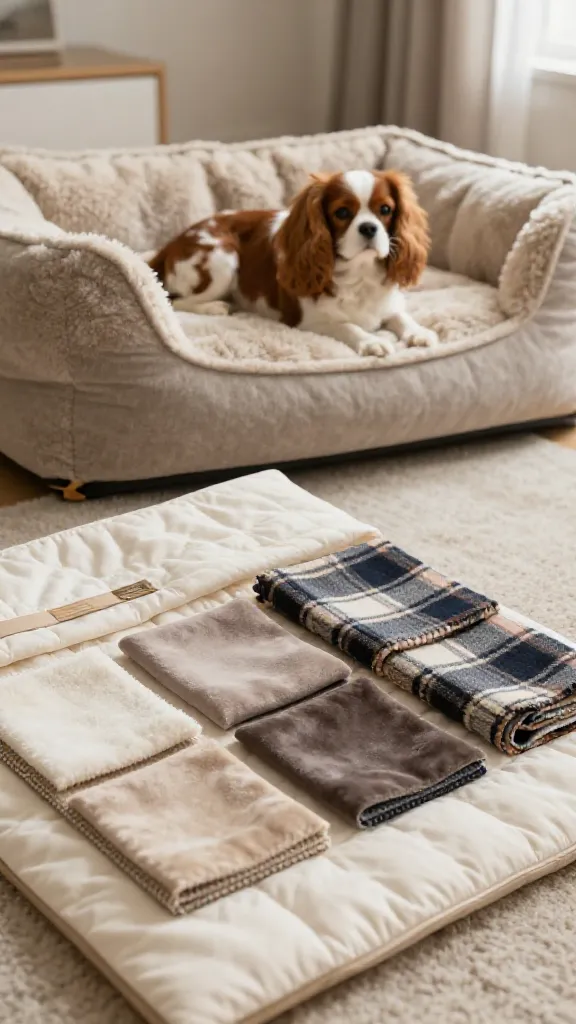
Fabric matters. Some textiles trap warmth and shed moisture; others feel cold and hold onto drafts. Swap out slippery, chilly covers for materials designed for winter comfort.
What To Look For
- Fleece, sherpa, or teddy: Excellent warmth-to-weight ratio, soft on noses and paws.
- Flannel: Brushed cotton that breathes but still holds heat—great for dogs who overheat easily.
- Microsuede or velvet: Cozy and durable, with fewer snags than knits.
- Quilted covers: A thin batting layer adds insulation while protecting the foam.
What To Skip
- Thin cotton percale or linen in winter—too cool to the touch.
- Loose knits or anything with fringe, pompoms, tassels, or long threads that invite chewing.
- Slippery nylon that makes dogs slide off their spot.
Care And Durability
- Pick machine-washable covers with sturdy stitching. Winter = mud.
- Go for hidden or covered zippers to reduce nibbling hazards.
- Rotate two covers: one on the bed, one in the wash. Keeps smells down and warmth up.
Best for: Any dog bed or crate pad that needs a winter upgrade without replacing the mattress. Worth it if you want fast, visible warmth without changing the entire setup.
Benefit: Fabrics that hold warmth help your dog fall asleep faster and stay asleep longer, especially in drafty rooms.
3. Elevate The Bed And Block Drafts (Micro-Climate Magic)
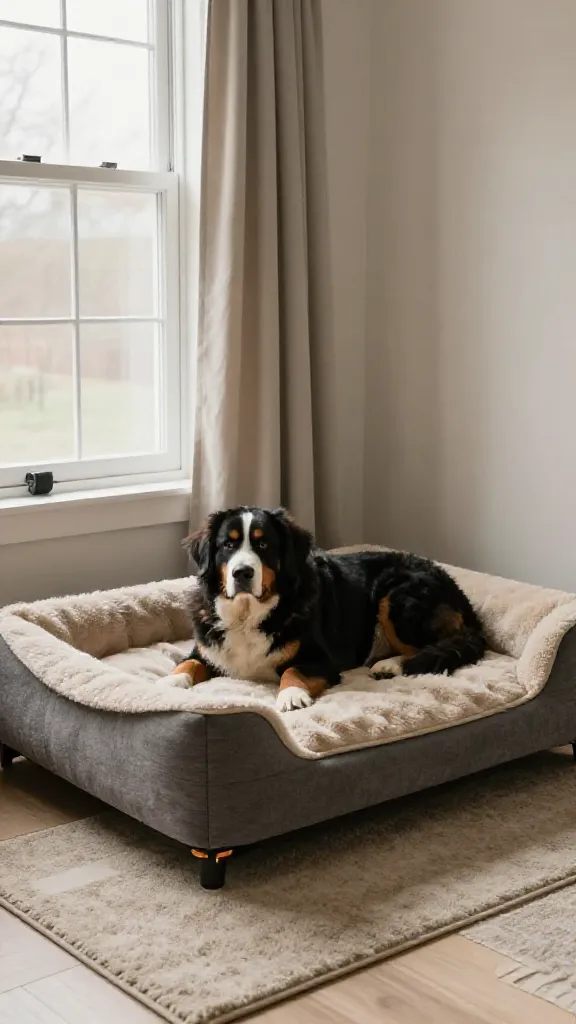
Floor-level sleeping steals heat. Elevating the bed a few inches improves airflow and reduces that icy floor effect. Then, tame drafts around doors and windows to protect your dog’s sleeping zone.
Elevate Safely
- Use a raised cot-style bed with a breathable sling, then add a fitted insulated pad or sherpa topper on it.
- If you prefer a floor bed, place it on a low, dense rug or foam exercise tiles with a washable rug on top.
- Check stability. Beds should not wobble—especially for seniors or big breeds.
Draft Control
- Move the bed at least 3–4 feet away from exterior doors and single-pane windows.
- Add door draft stoppers or weatherstripping near the sleep zone.
- Use thicker curtains and keep the bed slightly away from heat vents to avoid overheating.
Safety
- No bed near fireplaces, space heaters, or candles. Keep all heat sources out of reach.
- Skip glass decor at ground level. Choose wood, felt, or fabric accents if you want to style the area.
Best for: Homes with older windows or drafty entryways; dogs who like to sprawl near doors. I’d pick a raised cot plus topper in humid climates; I’d skip flimsy plastic risers.
Benefit: A stable, warmer micro-climate prevents heat loss without cranking the thermostat for the whole house.
4. Add Heat—Safely And Subtly (Think Low And Slow)
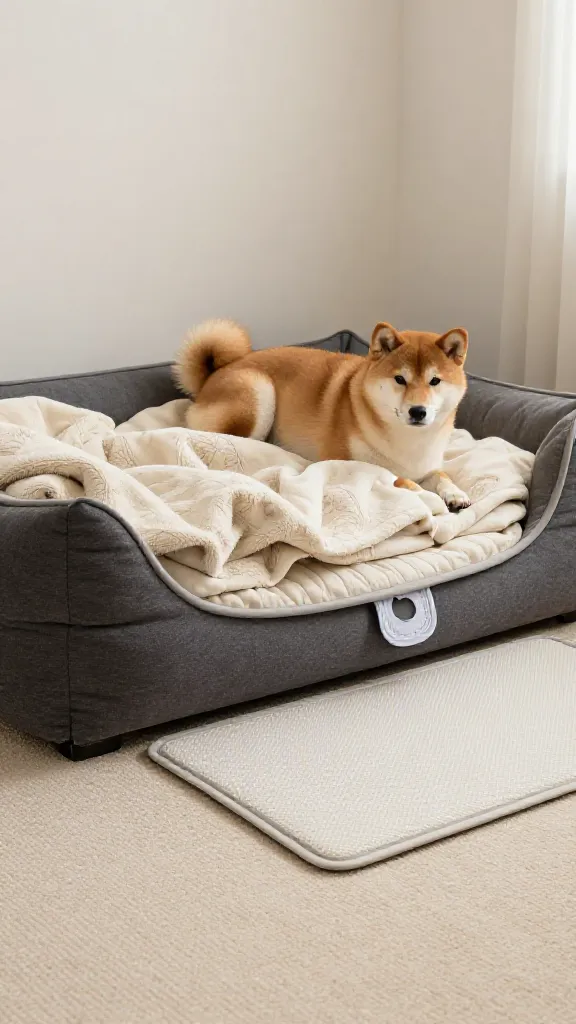
Targeted warmth feels amazing on cold nights, but it must be safe. Choose low-watt options designed for pets and always add protective layers.
Safe Warming Options
- Microwaveable heat discs designed for pets: Slip into a zippered pocket under a blanket. They cool gradually and have no cords.
- Self-warming mats: Reflect your dog’s heat using a metallic film inside (no electricity, zero fuss).
- Low-watt heated pet pads with chew-resistant cords and automatic temperature control—place beneath a thick cover and follow the manufacturer’s guidance.
Set It Up Right
- Create layers: base bed, warming element in a secured sleeve or pocket, then a padded cover. You want gentle warmth, not hot spots.
- Check temperature by hand after 10 minutes. If it feels hot, add another thin layer.
- For crates, run any cords outside and underneath with cord covers or conduit, and never through the bars where chewing can happen.
When To Skip Heat
- Heavy chewers or dogs who paw at beds aggressively—choose self-warming mats instead.
- Dogs with certain medical conditions—ask your vet first.
Best for: Short-haired breeds, seniors, or pups with low body fat. Worth it if your house runs chilly at night. I’d skip electric pads for unsupervised puppies and go with self-warming layers instead.
Benefit: Gentle, consistent heat helps stiff joints and reduces midnight pacing when temperatures dip.
5. Build A Winter Nook: Crate And Corner Makeovers
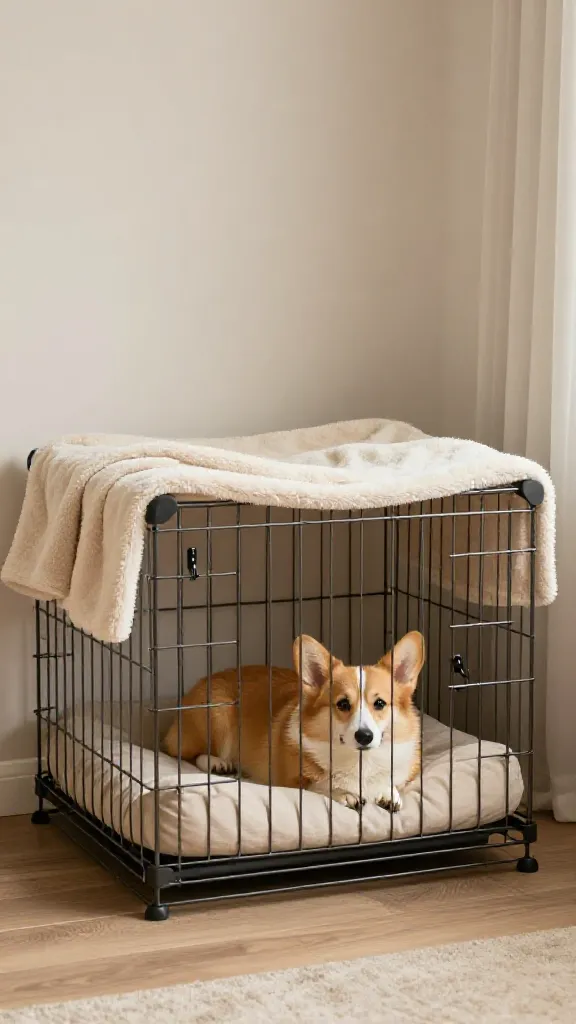
Location matters as much as materials. Create a snug den effect by styling the area around the bed or crate. Your dog gets a sense of security and less exposure to cold air currents.
Crate Setup
- Use a fitted crate pad with a warm cover, plus a flat fleece blanket over the top and sides to block drafts—leave the front mostly open for airflow.
- Attach blankets with Command hooks or clip-on crate covers. Avoid pins, strings, or clips that can be chewed off.
- Anchor the pad with non-slip corner tabs or rug tape under the crate to keep it from bunching.
Corner Bed Styling
- Pick a corner away from windows and vents. Two solid walls naturally cut drafts.
- Add a thick area rug under the bed and a screen or room divider if the space feels breezy.
- Decorate safely: wall art high above nose level, shatterproof accents on shelves, and faux greenery out of reach.
Extra Comfort Cues
- Keep a dedicated blanket that smells like your dog. Familiar scent = instant calm.
- Use low, indirect lighting near the nook in the evenings (but never string lights on or inside the crate).
- Maintain a clear path from bed to water bowl—no obstacle course at 3 a.m.
Best for: Dogs who love den-like spaces or get anxious with open beds. I’d pick a crate cover with breathable panels for airflow; I’d skip heavy drapes that trap too much heat.
Benefit: A defined nook signals “rest zone,” which encourages longer, warmer naps and less wandering.
Common Mistake to Avoid
Don’t overheat or overcrowd. Piling too many blankets, covering every vent, or parking the bed beside a heater can create hot spots and dehydration. Aim for steady, gentle warmth with breathable fabrics and enough space for your dog to sprawl or curl as needed. If your dog pants or moves away, the setup runs too warm—scale back a layer.
FAQ
How can I tell if my dog feels cold at night?
Watch for curling into a tight ball, burrowing under blankets, shivering, or choosing carpet over the bed. If your dog presses against heaters or sleeps on laundry, you likely need better insulation under the bed and a warmer top layer.
Are heated pet pads safe?
Yes—if they’re designed for pets, used with a protective cover, and cords stay out of reach. Choose models with chew-resistant casings, temperature limiters, and automatic shutoff. For chewers or unsupervised use, pick self-warming mats or microwaveable heat discs instead.
What’s the best bed fill for winter?
High-density or memory foam wins for insulation and joint support. Bolster sides help block drafts. Poly-fill beds compress and feel cooler, so if you use one, add a foam underlay and a warm, quilted cover to compensate.
How often should I wash winter covers?
Every 1–2 weeks works for most homes. Muddy days or wet snow? Swap the cover as soon as it’s damp. Keep a backup cover ready so you never strip the bed without a warm replacement.
Is a raised cot too airy for winter?
Not if you add an insulated pad or sherpa topper and place the cot on a rug. The air gap can actually help if the floor runs frigid, as long as the sleeping surface itself stays padded and warm.
Where should I place the bed in a small apartment?
Pick the warmest corner away from the entry door and windows. Use a low-profile rug under the bed, a compact room divider if needed, and a breathable blanket draped behind it to block drafts. Keep walkways clear so your dog doesn’t avoid the spot.
You don’t need a designer budget to give your dog a warmer winter bed. Layer smarter, pick heat-trapping fabrics, block drafts, and add safe, gentle warmth where it counts. Your pup will claim that upgraded nook faster than you can say “bedtime.”
As an Amazon Associate, I earn from qualifying purchases.