

Key Takeaways:
- Spot the Itch Early: Persistent scratching, recurring ear infections, and digestive upset are the most telling signs of a chicken allergy in dogs.
- The Elimination Diet Explained: Removing chicken entirely from food and treats for several weeks is the most reliable way to confirm it as the trigger.
- The Right Protein Swap: Transitioning to alternative proteins and reading ingredient labels carefully keeps symptoms from cycling back.
Food allergies in dogs can be difficult to pinpoint, especially when symptoms appear gradually. Chicken is a common ingredient in dog food and a frequent cause of allergic reactions, leading to skin irritation, digestive issues, and ongoing discomfort.
At Muenster Pet, we’ve been making dog food for over 50 years that focuses on quality ingredients and nutrition that support real canine needs. In this piece, we will discuss the signs that my dog’s allergy to chicken shows, how those symptoms manifest, and steps you can take to help your dog feel more comfortable.
What Is a Chicken Allergy in Dogs?
A chicken allergy in dogs happens when the immune system reacts negatively to chicken protein. Instead of digesting it normally, the body treats it as a threat, which can lead to skin irritation, digestive issues, or general discomfort.
These allergies often develop over time. A dog may eat chicken for years without problems, then suddenly begin showing symptoms, making it harder to identify the cause.
Unlike food intolerances, allergies involve the immune system and are more likely to cause itching or ear issues, while intolerances usually affect digestion. Recognizing the difference helps you better support your dog’s health.

Signs a Chicken Allergy May Be the Culprit
Chicken allergies in dogs often present as a mix of physical and behavioral changes that can be easy to overlook at first. These symptoms tend to persist or return regularly, especially when chicken remains part of your dog’s diet. Here are the most common signs to watch for:
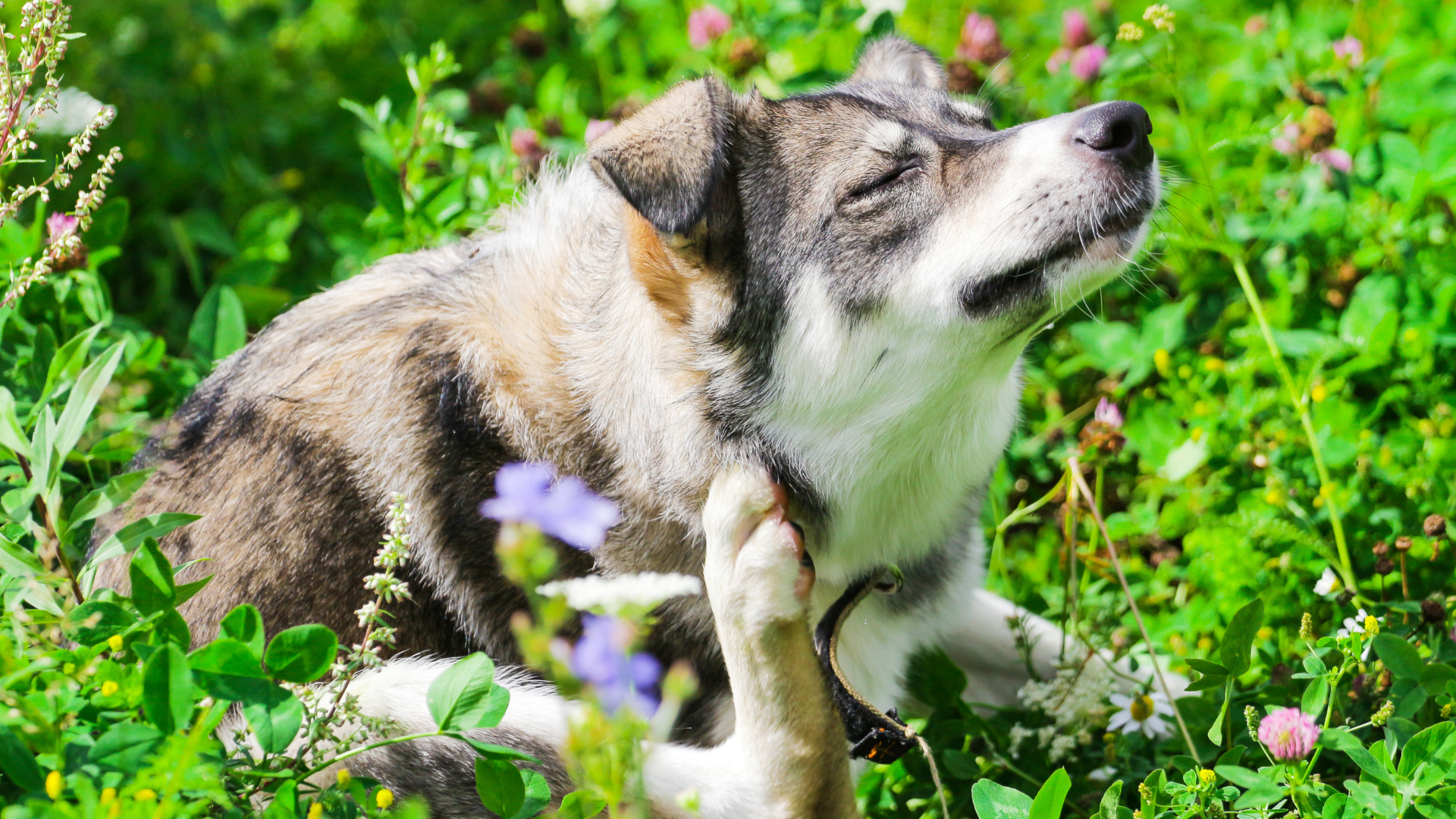
- Persistent Itching and Skin Irritation: One of the earliest and most noticeable signs is ongoing itching. Dogs may scratch excessively, chew their paws, or rub against furniture to relieve discomfort. Redness, hot spots, and inflamed skin often develop in areas like the ears, belly, and legs.
- Recurring Ear Issues: Frequent ear infections or buildup can signal an underlying food allergy. You might notice a bad odor, redness inside the ears, or your dog shaking their head often. These issues tend to recur even after treatment if the root cause, such as chicken, remains in their diet.
- Digestive Upset: Chicken allergies can also affect your dog’s digestive system. Loose stools, diarrhea, vomiting, or excess gas are common signs. These symptoms may persist rather than occur only once, especially after meals containing chicken.
- Excessive Licking and Chewing: Dogs with food allergies often fixate on specific body parts for relief. Paws are the most common target, though some dogs also lick at their sides or the base of their tail. When left unaddressed, repeated licking can lead to hair loss or secondary skin infections.
- Changes in Behavior: Ongoing discomfort tends to affect a dog’s mood over time. Restlessness, increased irritability, or a loss of interest in play and walks can all accompany the physical symptoms.
Skin and Digestive Symptoms to Watch For
Skin and digestive problems are often the most visible signs of a chicken allergy in dogs, and they tend to persist as long as chicken stays in the diet. Skin symptoms are usually the easiest to catch: itching, redness, inflamed hot spots, or hair thinning, often with recurring ear problems alongside them. Digestive symptoms can include loose stools, vomiting, or lingering gas.
When both types of symptoms show up consistently and at the same time, exploring chicken-free dog food or hypoallergenic dog food options can make a real difference in your pup’s day-to-day comfort, giving your dog a chance to reset without the trigger getting in the way.

How to Confirm and Manage a Chicken Allergy
Narrowing down the cause takes a bit of patience, but a structured approach makes the whole process far less overwhelming. Here’s how dog parents can move forward with confidence.
Start With an Elimination Diet
The most reliable method for confirming a chicken allergy is a full elimination diet. All sources of chicken food, treats, table scraps, and flavored medications are removed for several weeks while watching for improvement. If symptoms ease, that’s a strong signal that chicken was the trigger. Switching to sensitive stomach dog food during this period can help stabilize digestion while the body adjusts.
Stay Consistent With Ingredients
Consistency is everything during an elimination trial. Even trace amounts of chicken from an unexpected source can reset the clock on recovery. Staying with carefully selected foods, like our Ancient Grains with Ocean Fish dog food, is a reliable alternative protein that reduces accidental exposure and makes the results of your trial far more useful.
Transition to the Right Diet
Once chicken is identified as the cause, long-term management involves avoiding it entirely. Reading ingredient labels becomes an important habit, especially since chicken can appear in unexpected forms, such as by-products or flavorings.
Choose Compatible Treat Options
Treats are a frequently overlooked source of allergens. Choosing single ingredient dog treats takes the guesswork out of rewarding a pup without risking a setback.

Final Thoughts
Recognizing a chicken allergy starts with paying attention to consistent patterns — persistent itching, recurring ear infections, and digestive upset that keeps coming back. These are the body’s way of signaling that something in the diet isn’t working. Pinpointing chicken as the cause can lead to real, lasting improvements in a dog’s comfort and overall health.
Once the cause is clear, managing it becomes more straightforward with the right food and treat choices. Staying consistent and paying close attention to ingredients helps support your dog, as a valued family member, in maintaining healthier skin, better digestion, and a more comfortable, active life.
Frequently Asked Questions About What Are Signs My Dog’s Allergy Is From Chicken
Can dogs suddenly become allergic to chicken even after eating it for years?
Yes, dogs can develop allergies over time through a process called sensitization. Repeated exposure to a protein can eventually trigger an immune response, even in dogs that previously had no reaction at all.
Are certain dog breeds more prone to chicken allergies?
Some breeds with sensitive skin or known allergy tendencies, such as Bulldogs, Retrievers, and Terriers, may be more likely to develop food allergies, including reactions to chicken.
How long does it take for allergy symptoms to improve after removing chicken?
Most dogs begin to show improvement within 4 to 8 weeks after chicken is removed from their diet, though some may respond sooner depending on the severity of symptoms.
Can chicken fat cause allergies in dogs?
Chicken fat is less likely to trigger an allergic reaction because it contains minimal protein. However, highly sensitive dogs may still react, so it’s best to monitor closely.
Is chicken meal different from fresh chicken when it comes to allergies?
No, both contain chicken protein, which is the component that triggers allergic reactions. Dogs allergic to chicken will typically react to all forms of it.
Can environmental allergies be confused with chicken allergies?
Yes, environmental allergies, such as pollen or dust, can cause similar symptoms, especially skin irritation. This is why dietary trials are important for identifying food-related causes.