
This post contains affiliate links. As an Amazon Associate, I earn from qualifying purchases, at no extra cost to you.
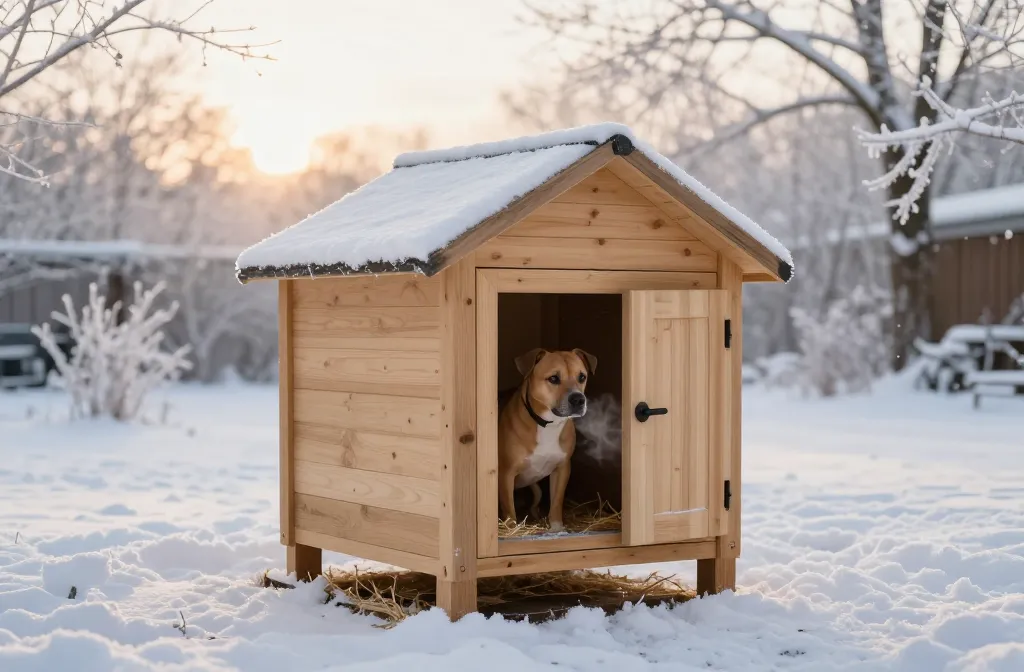
Cold snaps don’t care that your dog is adorable. If your pup spends any time outdoors, their house needs more than a cute shingle roof—it needs real insulation, smart design, and zero drafts. Let’s ditch the flimsy boxes and build something that actually traps heat, blocks wind, and keeps paws off the frozen ground. Here are winter dog house ideas that work in the real world—plus a few things I’d skip, IMO.
Start With The Shell: Size, Shape, and Zero Drafts
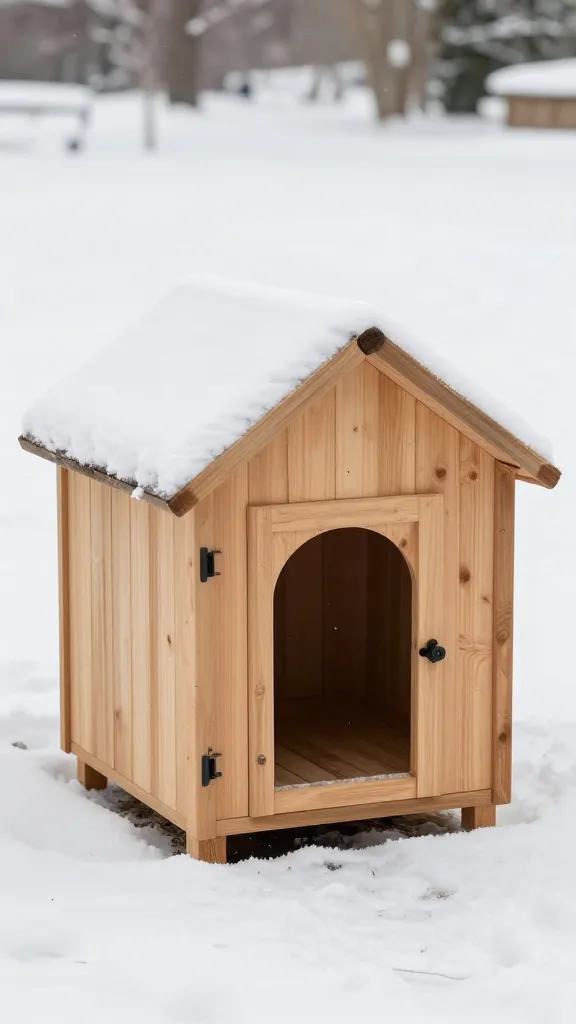
A warm dog house starts with good bones. Size it right: just big enough for your dog to stand, turn, and lie down. Oversized houses leak heat like a screen door in a blizzard. Opt for a boxy shape with a sloped roof and keep seams tight.
- How to do it: Measure nose-to-rump + a couple inches; shoulder height + a couple inches. Aim for a snug interior so your dog’s body heat can actually warm the space.
- Draft control: Caulk every exterior seam. Weatherstrip the door frame. If you can see daylight, seal it.
- Materials: Exterior-grade plywood or composite panels beat thin plastic. Wood insulates; plastic alone doesn’t.
Best for: All dogs, especially short-coated breeds.
I’d skip houses with big barn doors or cute windows. They look charming and feel like a wind tunnel.
Insulation That Actually Works (And How Not to Ruin It)
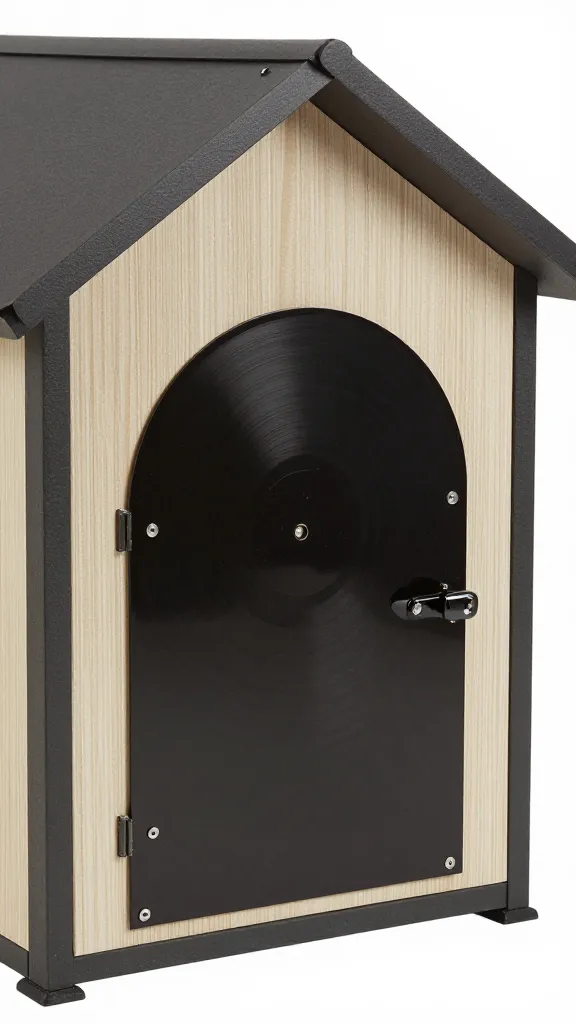
Insulation only works when you protect it from moisture and teeth. You want materials with R-value and a plan to keep them dry and out of reach.
- Foam board (XPS or polyiso): Cut panels to fit walls, floor, and roof. Tape seams with foil tape for a tight vapor barrier.
- Reflective bubble wrap: Useful only when you leave an air gap. Staple battens first, then the reflective layer, shiny side toward the air space.
- Sheathing: Cover insulation with 1/4–1/2 inch plywood or chew-resistant PVC panels so curious teeth can’t access it.
- Moisture control: Include a small, high vent on the leeward wall to prevent condensation without creating drafts.
Floor First: Heat Rises, Cold Soaks
Lift the floor at least 2–4 inches off the ground with treated runners. Add foam board between joists and seal edges. Top with a removable interior panel for cleaning.
Best for: Damp climates, snow-prone areas, seniors with joint issues.
Worth it if your winters dip below freezing regularly. Insulation is the single biggest comfort upgrade.
Smaller Doors, Bigger Warmth: Flaps and Entry Design
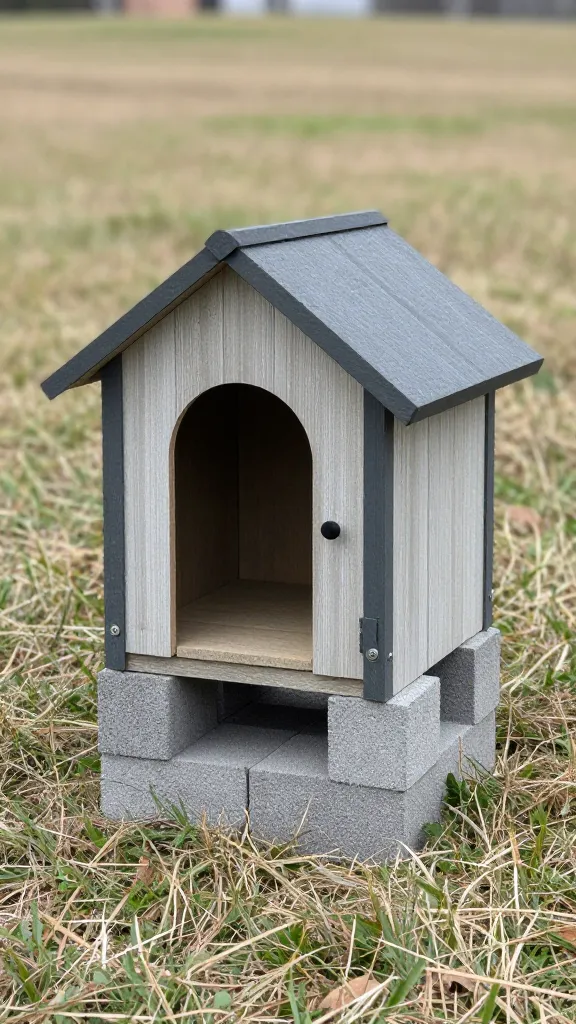
Huge openings dump heat. A tight entry with a flap keeps the interior stable.
- Offset entry: Place the door to one side so wind can’t blast straight in. Add a short internal baffle wall if space allows.
- Proper flap: Use a heavy-duty vinyl or rubber flap cut to size, double-layered if temps get brutal. Secure the top with a hinge strip and washers; let it swing freely.
- Threshold: Build a 2–3 inch raised threshold to block drafts at ground level and keep bedding in place.
Best for: Windy regions and anxious dogs that still like quick exits.
I’d pick a clear vinyl flap for nervous pups—they can see out and adjust faster.
Heated? Maybe. Smarter Bedding and Passive Heat First
Heat pads can help, but they’re not your first move. Start with smart bedding that stays dry and traps warmth.
- Straight straw over blankets: Straw insulates, dries quickly, and won’t hold damp like towels do. Replace monthly, more often if it smells musty.
- Closed-cell foam mat: Add a 1/2–1 inch pad under straw for extra R-value. Cut to fit and seal the edges with tape to stop absorption.
- Self-warming pad: Reflective, crinkle-core styles bounce heat back. Place under a washable cover to protect from claws.
- Heated mats (electric): Choose chew-resistant cords, thermostat control, and outdoor-rated GFCI outlets. Route cords through conduit and out of reach.
Safety First With Heat
Never use space heaters or heat lamps in a dog house. Fire risk is real. If you must add active heat, pick low-watt, pressure-activated mats designed for pets and follow the manual like your house depends on it—because it does.
Best for: Thin-coated dogs, seniors, dogs with low body fat.
I’d skip plush memory foam in damp climates. It soaks, molds, and freezes your dog from below.
Roofing, Siding, and Real-World Weatherproofing
Snow loads and icy rain demand a tougher exterior than cute shingles hot-glued onto plastic.
- Roof: Sloped or shed roof with asphalt shingles or corrugated metal. Add an ice-and-water shield underlayment if you get freeze-thaw cycles.
- Drip edges and overhangs: A 3–6 inch overhang shields the door and prevents water running down the walls.
- Siding: Painted exterior plywood, composite, or PVC sheets handle winter abuse better than thin boards. Repaint or seal annually.
- Feet: Use composite or treated wood runners. Avoid direct ground contact to prevent wicking and rot.
Best for: Snowy regions, areas with ice storms.
Worth it if you hate repairing swollen, split panels every spring.
Elevated “Porch” and Double-Wall Layouts
Two designs that punch above their weight for warmth: raised platforms and double walls.
- Elevated platform: Build a deck under the house and a small porch in front of the door. It keeps slush away and lets snow slide off without blocking entry.
- Double-wall build: Frame two thin walls with a 1–1.5 inch gap for insulation and air sealing. Cap the top to stop convection.
Simple Build Plan
- Frame a base with 2x2s, add foam board between, top with plywood.
- Assemble wall panels with interior and exterior skins and insulation inside.
- Attach panels, seal every joint with exterior caulk.
- Install offset door and flap, then the roof with drip edge and shingles.
Best for: DIYers who want permanent, low-heat housing.
I’d pick this over any single-wall plastic igloo in a cold climate, FYI.
Ventilation Without the Chill
Yes, you need vents in winter. No, that doesn’t mean drafts. Aim for tiny, high vents to let moist air escape.
- How to do it: Drill two 1–2 inch holes near the roof peak on the side away from prevailing wind. Cover with hardware cloth from inside to stop chewing.
- Balance: If you see condensation or smell mildew, open vents a bit more. If bedding rustles from airflow, you went too big—add a sliding cover.
Best for: Any climate where temps swing and breath condenses.
I’d skip floor-level vents. They act like a cold-air return you definitely didn’t ask for.
Common Mistakes To Avoid
- Too big inside: Your dog can’t warm a cavern. Build snug, not cramped.
- Blankets on bare floor: They wick cold and moisture. Use straw or closed-cell foam under any fabric.
- Unprotected insulation: Dogs chew. Cover foam with solid panels.
- Open doors and cute windows: Draft city. Use flaps and offset entries.
- Heaters without safeguards: No space heaters, no heat lamps. Use pet-rated mats only, on GFCI, with chew-proof routing.
FAQs
How warm should a winter dog house be?
Comfortable means above freezing and dry, ideally in the 45–60°F range when your dog is inside. You’ll rarely hit “room temp,” and that’s fine. Focus on blocking wind, insulating the floor and walls, and keeping bedding dry.
What’s the safest heated option?
Outdoor-rated, low-watt heated mats with chew-resistant cords and a built-in thermostat. Plug into a GFCI outlet, route cords through conduit, and position the mat under a washable cover so your dog can choose to be on or off it.
Is straw really better than blankets?
For outdoor houses, yes. Straw traps air, sheds moisture, and stays warmer when temps swing. Blankets work indoors or in insulated shelters only if you keep them bone-dry and layered over a foam base.
Do plastic igloo houses work in winter?
Not by themselves. They’re lightweight and drafty. If you already own one, add a fitted insulated liner, a weighted or magnet-held flap, raised platform, and lots of straw. Otherwise, I’d pick a double-wall wooden build for real winters.
How often should I change bedding?
Check weekly. Replace straw monthly or sooner if it smells damp or packs down. Wash any fabric covers regularly. Dry equals warm.
Can I add a window for light?
I’d skip it. Windows create cold spots and potential leaks. If you want light, use a clear vinyl flap and a small, sheltered overhang so daylight sneaks in without the draft.
Conclusion
If you remember nothing else, remember this: tight seams, real insulation, small door with a flap, raised floor, dry bedding. That combo beats most gadgets and gimmicks. Build smart, keep it snug, and your dog will snooze through winter without shivering—or giving you side-eye every time the wind howls.
As an Amazon Associate, I earn from qualifying purchases.