This post contains affiliate links. As an Amazon Associate, I earn from qualifying purchases, at no extra cost to you.
Cold floors and drafty corners? Your dog feels them way more than you do. The good news: you don’t need electricity to keep them snug. These self-warming bed ideas trap body heat, block chill from the floor, and look great in your home. Let’s build a nap zone your pup won’t want to leave—no cords, no worries.
1. Layered Den Bed With Reflective Core
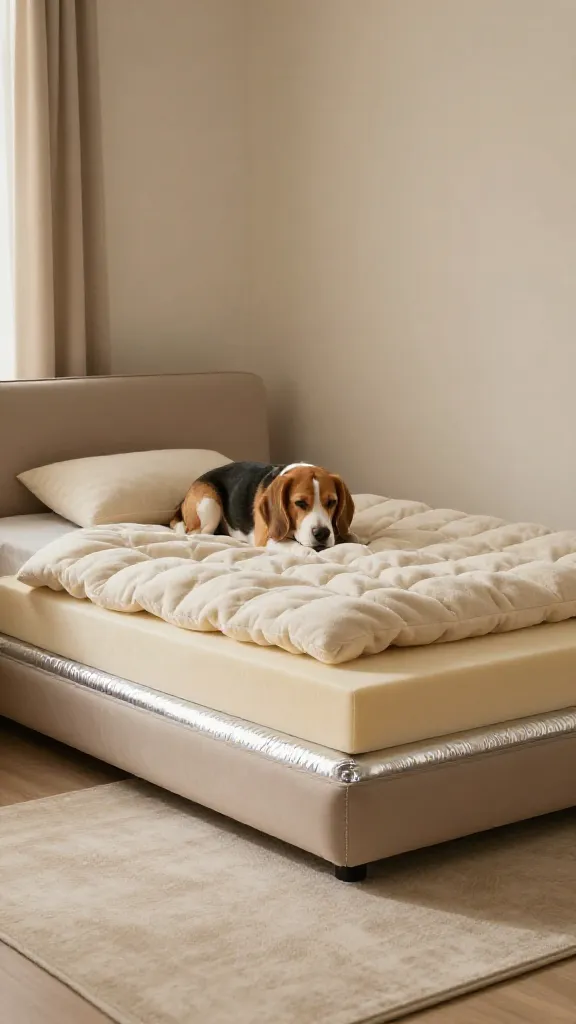
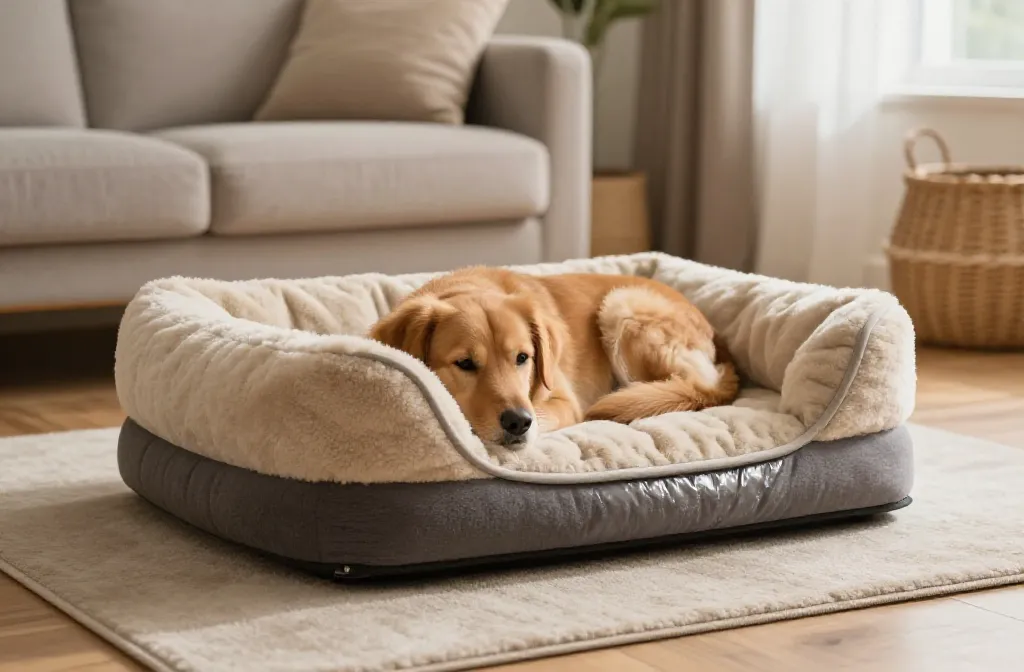
Think of this as a burrito bed: a cushy base, a heat-reflective middle, and a soft top layer. The magic comes from a reflective thermal liner that bounces your dog’s own warmth back to them. You’re not plugging anything in—just using smart materials and good layering.
Materials
- Bolster bed shell or low-sided basket
- Closed-cell foam pad (cut to fit)
- Mylar-style reflective emergency blanket or a premade self-warming pad insert
- Quilted cover or thick fleece throw
- Non-slip rug pad (optional, for slick floors)
Sandwich the foam on the bottom, reflective layer in the middle (shiny side up), and fleece on top. Tuck the layers into the bed shell so nothing flaps or tempts chewers. If your dog nibbles, slip the reflective layer inside a zippered pillow protector so it’s hidden and quiet.
Tips
- Choose closed-cell foam for better insulation and moisture resistance than regular cushion foam.
- If the crinkle sound bothers your pup, add a thin quilted mat over the reflective layer.
- Washable covers matter—go for zippers over Velcro for durability.
Best for: Dogs who like bolsters and stay put. Great in living rooms where you want a neat, finished look.
I’d pick this if you want serious warmth without changing your decor. I’d skip it for heavy chewers unless every layer stays hidden.
2. Wool-Filled Nest On An Elevated Platform
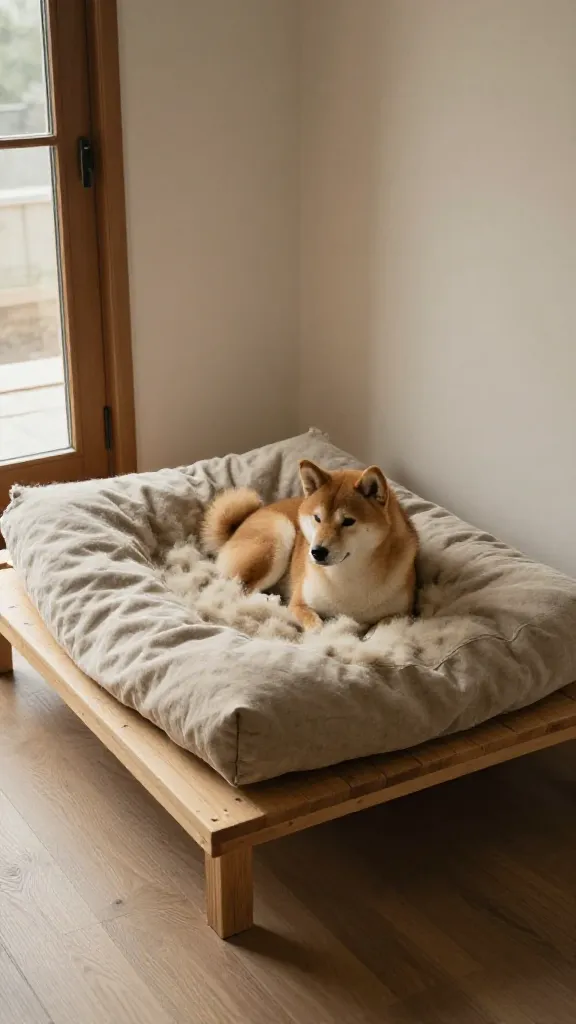
Warmth isn’t just about the top—cold creeps up from the ground. An elevated platform with a thick wool-filled cushion breaks that cold bridge. Wool traps heat, wicks moisture, and still insulates even if it gets a little damp.
How To Build It
- Use a low wood platform or a raised cot with a fabric sling.
- Top it with a dense wool-stuffed cushion or a wool mattress pad folded to size.
- Add a removable cotton or flannel cover for easy washing.
Place the setup away from exterior doors and sliding glass. Drafts kill the vibe. If your dog likes to curl, add a firm bolster around the edges using a rolled wool blanket inside a long pillowcase and clip it under the cushion so it doesn’t shift.
Why It Works
- Air gap under the bed reduces conductive heat loss.
- Wool handles temperature swings and won’t smell funky as quickly as synthetics.
Best for: Older dogs or short-haired breeds who get chilly near tile or concrete. Works in mudrooms and bedrooms.
Worth it if you want performance with fewer layers to fuss over. Check hardware and fabric tension so paws don’t slip through gaps.
3. Crate Cave With Insulated Sides And Draft-Blocking Door
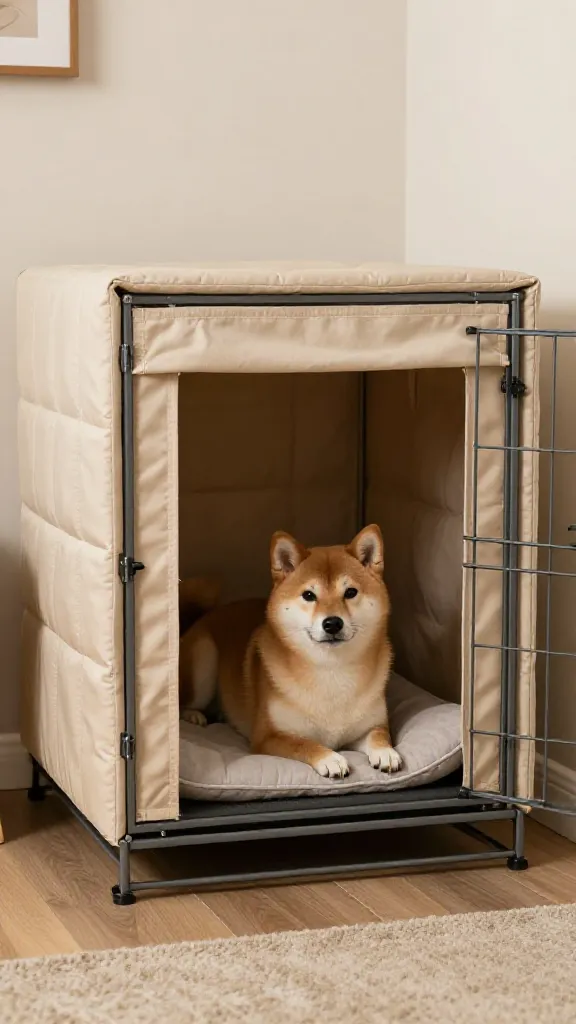
Turn a standard crate into a warm retreat by focusing on insulation and airflow. You’ll line the base and sides to hold heat while still allowing fresh air. No heavy blankets draped over everything—safe beats stuffy.
Step-By-Step
- Base: Fit a firm orthopedic pad, then add a self-heating crate mat on top.
- Sides: Attach quilted panels or felted wool panels to the outside using Command hooks or fabric straps—keep them taut and away from teeth.
- Door: Use a half-height flap made from thick canvas or felt to block drafts while leaving the top open for circulation.
- Roof: Add a rigid crate cover or a wood top with rounded corners for stability and style.
Skip tassels, fringe, or anything dangly. Keep edges smooth and secured. If your dog runs hot, remove one side panel and keep the draft flap.
Pro Tips
- Measure tight: loose fabric invites chewing.
- Place the crate along an interior wall—less temperature swing.
- Use a rubber-backed mat beneath the crate to stop cold wicking from floors.
Best for: Dogs who love dens and feel safer in enclosed spaces. Ideal for nighttime in quieter rooms.
I’d pick this for anxious pups who settle when tucked in. I’d skip it for heavy droolers unless all fabrics are washable and quick-dry.
4. DIY Thermal Quilt Bed Using Batting Layers
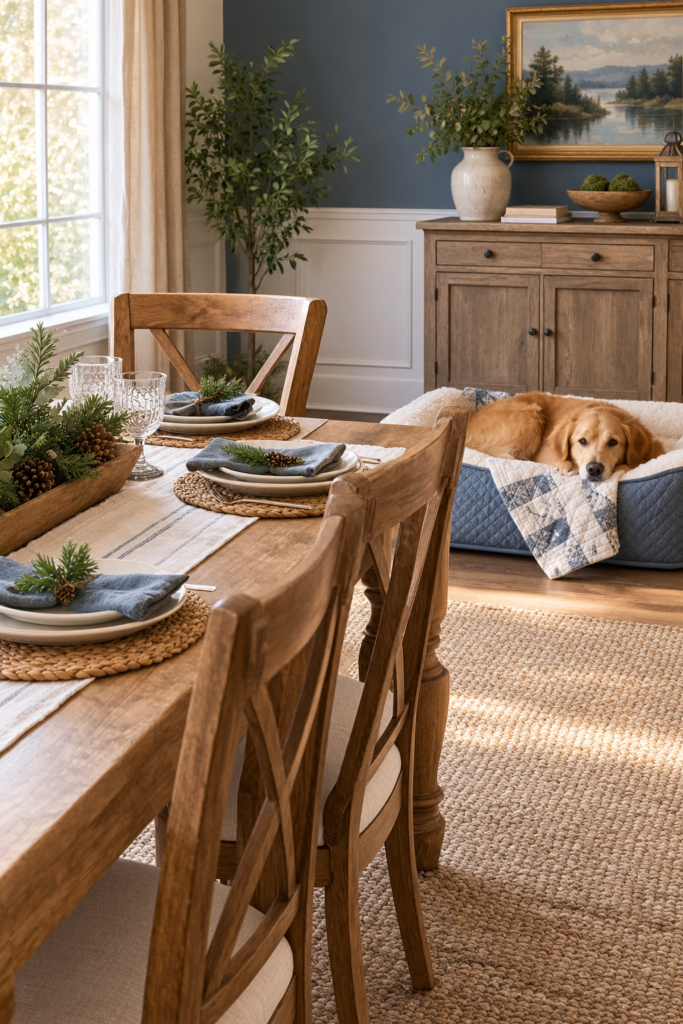
Quilts aren’t just cute—they’re physics in fabric form. Build a layer cake that traps warm air: cotton on top, insulating batting in the middle, and a grippy bottom. No cords, just smart textiles doing the work.
Materials
- Top: Cotton flannel or brushed twill
- Middle: High-loft polyester batting plus a thin reflective batting strip down the center
- Bottom: Microsuede or rubber-dotted fabric for traction
- Bias tape or sturdy stitching for reinforced edges
Create a large rectangle or oval to match your dog’s stretched-out size. Quilt in a simple grid so layers don’t bunch. If sewing isn’t your thing, use fabric adhesive tape on the inner layers and finish edges with an iron-on hem tape—just keep everything flat and durable.
Smart Add-Ons
- Make two: rotate weekly so one always stays fresh.
- Add removable corner ties to secure the quilt into baskets or bed frames.
- Color-code seasonal weights—lighter for spring, thicker for winter.
Best for: Dogs who sprawl or change sleeping spots around the house. Great as a topper on sofas you’ve already dog-proofed.
Worth it if you like a custom size and washable design. I’d skip reflective batting for noise-sensitive pups—go thicker on loft instead.
5. Heat-Trap Alcove: Bench Nook With Memory Foam And Wool Topper
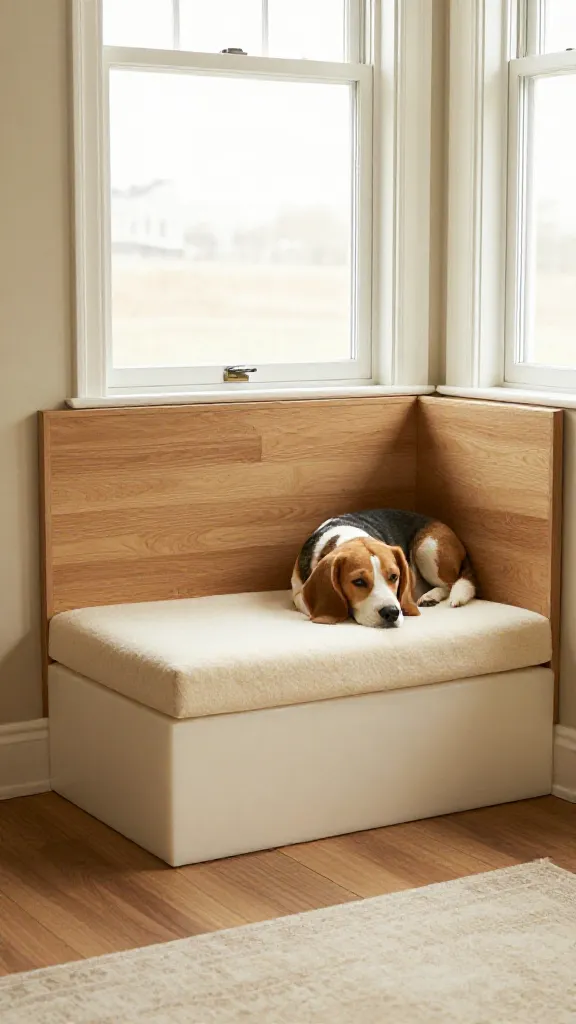
Use architecture to your advantage. A built-in bench, under-stair niche, or bay-window ledge can become a heat-trap nook that feels snug without a plug. Add an insulating base and a breathable topper, and the microclimate does the rest.
Build The Nook
- Base layer: Closed-cell foam cut to fit the alcove footprint.
- Comfort layer: 2–3 inch memory foam or latex cushion encased in a waterproof liner.
- Topper: Wool or sherpa cover with elastic corners or Velcro tabs to keep it taut.
- Back and sides: Removable felt panels to soften surfaces and reduce draft swirl.
Leave a 2–3 inch gap at the top of any side panels for airflow. Place the nook away from vents. If it sits under a window, add a fitted cellular shade at night to reduce radiant chill.
Extra Credit
- Use a wood slat trivet under the foam if condensation might form on stone or tile.
- Pop a cedar insert under the cover for odor management—secure it in a pouch so dogs can’t reach it.
Best for: Multi-dog homes where one pup wants a VIP corner. Works in entryways, breakfast nooks, and studies.
I’d pick this when you want something integrated and tidy. I’d skip soft felt sides for chewers—use washable canvas panels instead.
Common Mistake to Avoid
Don’t over-insulate and trap humidity. A bed that’s too sealed can feel muggy and encourage odors. Always pair insulation with breathable fabrics, allow airflow at the top or sides, and choose washable covers. If your dog pants while resting, reduce layers or switch to wool instead of synthetics.
FAQ
Do self-warming beds get too hot?
No. They recycle body heat, so they usually sit just a few degrees above room temperature. If your dog runs warm, thin the top layer or skip reflective inserts and rely on wool only.
Are reflective liners safe if my dog chews?
They’re safe only when fully enclosed. If your dog chews fabric, place reflective material inside a zippered, heavy-duty cover or skip it entirely and use dense foam plus wool. Chewed plastic isn’t worth the risk.
What’s the best floor placement to reduce chill?
Pick an interior wall, a corner out of the main traffic path, and at least a few feet from exterior doors or big windows. Add a rug or cork mat underneath to block cold transfer from tile or concrete.
How do I clean these beds without ruining insulation?
Use removable covers and spot-clean the inner layers. For wool, air it in sunlight and brush out debris. For foam, wipe with mild soap, then air dry completely before reassembly.
Is memory foam better than polyfill for warmth?
Memory foam insulates better against hard floors because it’s dense and reduces compression points. Polyfill feels fluffy but flattens fast. For warmth plus support, combine a foam base with a softer topper.
What if my dog digs or nests before sleeping?
Reinforce seams, use quilted stitching to prevent bunching, and anchor corners with elastic straps. Offer a designated “dig zone” throw on top so they can scratch without destroying the bed.
Ready to build your dog a nap spot that stays warm without a single cord? Mix an insulating base, a breathable topper, and smart placement, and you’ll have a bed that feels custom-made for your pup. Start with one idea, tweak for your space, and enjoy quieter, longer snoozes.
As an Amazon Associate, I earn from qualifying purchases.