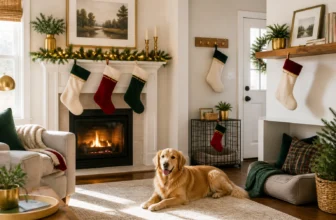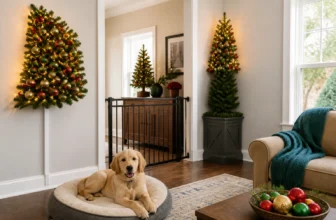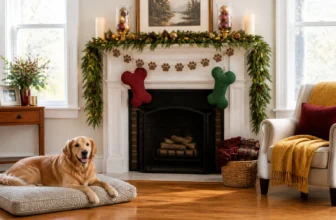
Big dog, big heart… big footprint in your living room. If your gentle giant sprawls like a small moose, it’s time to give them a space that actually fits. A dedicated dog room keeps fur, gear, and chaos under control—and makes your pup feel like royalty. Let’s design a space that works for real life, not Pinterest-only fantasy.
Pick the Right Spot (and Make It Multi-Purpose)
Not everyone has a spare bedroom for “Sir Barks-a-Lot.” That’s fine. Carve out a zone that makes sense for your layout and routines. You need easy access, decent ventilation, and enough quiet that your dog actually naps.
- Underused corners: A wide hallway, a landing, or the space under stairs can become a stellar chill zone.
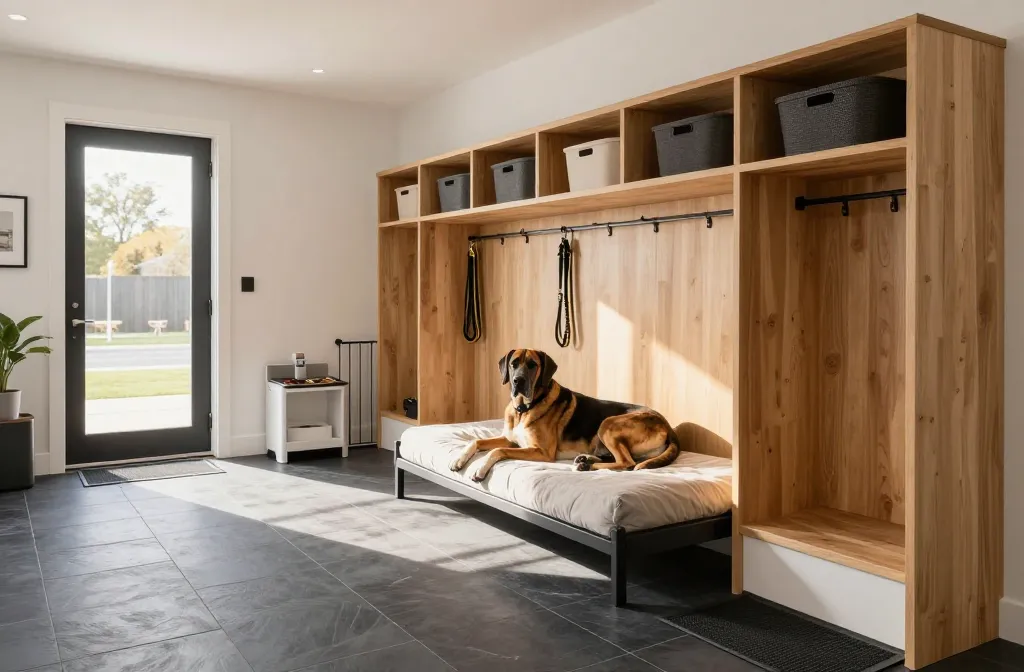
- Laundry or mudroom: Great for containment, easy cleanup, and near the back door. Add a baby gate or half-door.
- Home office annex: Your dog wants to be near you. Create a side nook so you both get work done (in theory).
Measure Like You Mean It
Big dogs need room to stand, turn, and stretch. As a rule of thumb, give at least 2x your dog’s length by 1.5x their length for a lounging area. Add walkway space so you’re not crab-walking around a Great Dane every morning.
Flooring That Laughs at Mud (and Claws)
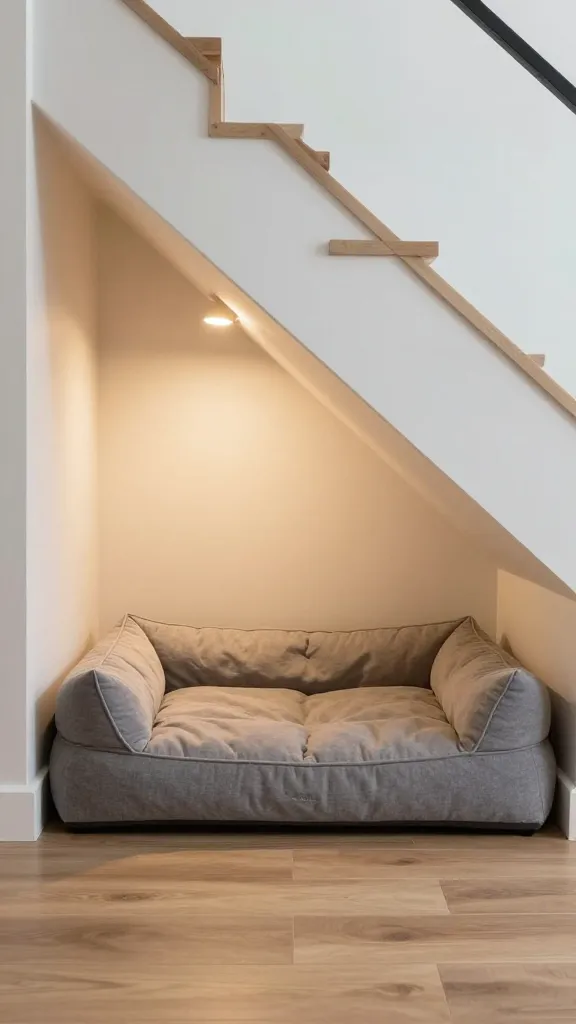
You need floors that don’t cry during zoomies. Choose materials that clean fast, hide scratches, and handle puddles (the water bowl kind… and the other kind).
- Best bets: Luxury vinyl plank, tile, sealed concrete. They’re tough, non-porous, and look slick.
- Area rugs: Pick low-pile, washable rugs with a non-slip pad. A thicker rug by the bed can cushion elbows and hips.
- Avoid: Unsealed hardwood and sisal. Those stains become permanent memories, FYI.
Sound and Scratch Protection
Add rubber baseboards or corner guards if you’ve got a wall-leaner or scratch-happy door greeter. Acoustic panels can quiet bark echoes and make your zoom meeting less “woof-forward.”
The Throne: Beds Built for Big Bodies
A big dog bed isn’t just a bigger donut. Large breeds need support to protect joints and regulate heat.
- Orthopedic foam: Go with 4–6 inches of high-density foam or memory foam. Egg-crate only if it’s a top layer, not the whole thing.
- Elevated cots: Great for airflow, wet dogs, and summer. Add a blanket in winter.
- Washable covers: Removable, machine-washable, heavy-duty zippers. You’ll thank me after the first mud day.
- Size up: Your dog should stretch fully without hanging off like a croissant.
Set Up Multiple Rest Zones
If space allows, create a “day bed” near action and a “night bed” in a quieter corner. Dogs like options, just like people who move from the couch to bed to… other couch.
Smart Storage So Gear Doesn’t Take Over

Leashes, harnesses, meds, towels, kongs, puzzle toys, grooming supplies—big dogs come with big accessory energy. Keep it neat with a few simple systems.
- Wall hooks and rails: Leashes and harnesses hang dry and stay visible. Mount at shoulder height for quick grabs.
- Cubbies with bins: One for toys, one for grooming, one for meds/treats (stored high or latched).
- Built-in bench: Seating with storage underneath. Perfect for toweling off a soggy beast.
- Food station drawer: Scoop, bowls, and storage in one zone so you don’t play scavenger hunt at dinner.
Label Everything
Yes, even at home. Labels keep pet sitters and partners from mixing heartworm meds with dental chews. IMO, clear bins + bold labels = zero excuses.
Feeding Zone That Contains the Chaos
Big dog, big slobber. Create a station that manages mess and protects your floors.
- Non-tip, weighted bowls: Stainless steel or ceramic with silicone bases.
- Anti-splash mats: Ridged, waterproof mats keep water where it belongs. Mostly.
- Elevated stands: Useful for deep-chested breeds, but check with your vet about bloat risk. Not one-size-fits-all.
- Slow feeders: If your dog inhaled dinner yesterday in seven seconds, this is your new best friend.
Water Access Without the Lake Effect
Place water away from beds and power outlets. A splash-proof bowl or pet fountain reduces drips and keeps water fresher (bonus for picky sippers).
Enrichment That Burns Energy Indoors
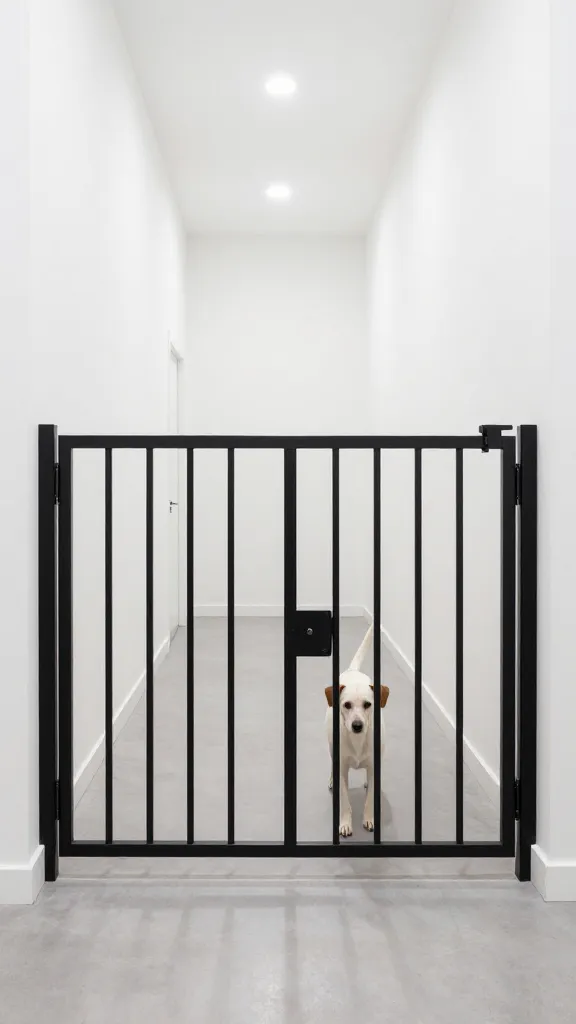
A bored large dog is a creative interior designer. Spoiler: they prefer open-concept cushions. Build a rotation of activities to tire the brain and body.
- Heavy-duty chew toys: Rubber, nylon, and rope—sized for big jaws. Avoid tiny parts or thin plastics.
- Puzzle feeders: Stuffable toys, snuffle mats, and treat puzzles turn mealtime into a mission.
- Indoor agility: Balance pads, wobble boards, or a short tunnel if you’ve got space. Great for confidence and core strength.
- Anchored tug point: A secure wall anchor with a tug toy channels that power into safe play. Supervise always.
Rotate, Don’t Accumulate
Keep 3–4 toys out and stash the rest. Rotate weekly. Your dog thinks they’re new every time—free dopamine!
Safety and Comfort: The Non-Negotiables
Let’s keep your bestie safe and comfy without turning your place into a vet clinic.
- Ventilation and temp control: Large breeds overheat fast. Add a fan, a cooling mat, or a window shade. In winter, draft stoppers help.
- Secure cords and outlets: Cord covers, outlet plates, and cable boxes. No chewable spaghetti, please.
- Trash and chemicals: Lidded cans, locked cabinets, meds up high. Dogs are pro-level foragers.
- Gates and doors: A sturdy baby gate or Dutch door keeps paws in place during deliveries or muddy returns.
Crate or No Crate?
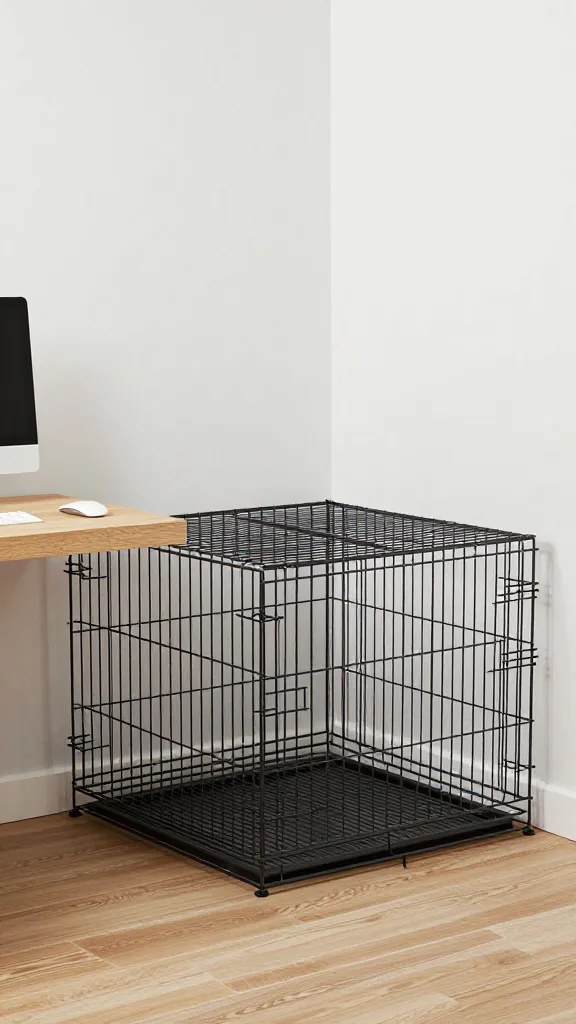
If your dog loves their den, integrate a crate as furniture: built-in under a counter, inside a bench, or a nice wood-look crate with airflow. Pad it with a chew-proof mat and keep it open when you’re home.
Style That Actually Works With Your Home
You can have pretty and practical. Promise.
- Wipeable paints: Satin or semigloss walls take a beating and scrub clean.
- Pet-proof fabrics: Performance upholstery, indoor/outdoor cushions, and blankets you can toss in the wash.
- Color strategy: Match fabrics to fur color if hair drives you wild. It camouflages between vacuum days. Sneaky, right?
- Personal touches: A framed adoption photo, a hook for leashes with a nameplate, or a gallery wall of goofy outtakes.
Lighting and Vibes
Soft, warm lighting calms anxious pups. Add a dimmer, a motion light by the water station, and a small nightlight so your dog doesn’t faceplant during 3 a.m. sips.
Cleaning Systems You’ll Actually Keep Up With
Keep it simple so maintenance doesn’t feel like a part-time job.
- Weekly reset: Wash bed covers, wipe bowls, disinfect mats, and swap toy rotation.
- Daily quick sweep: A cordless vacuum handles tumbleweeds of fur. FYI, rubber brooms also grab hair like magic.
- Grooming station: Store brushes, nail clippers, paw balm, ear wipes in one caddy. Do a 5-minute brush after walks to cut shedding indoors.
Sample Layouts for Different Homes
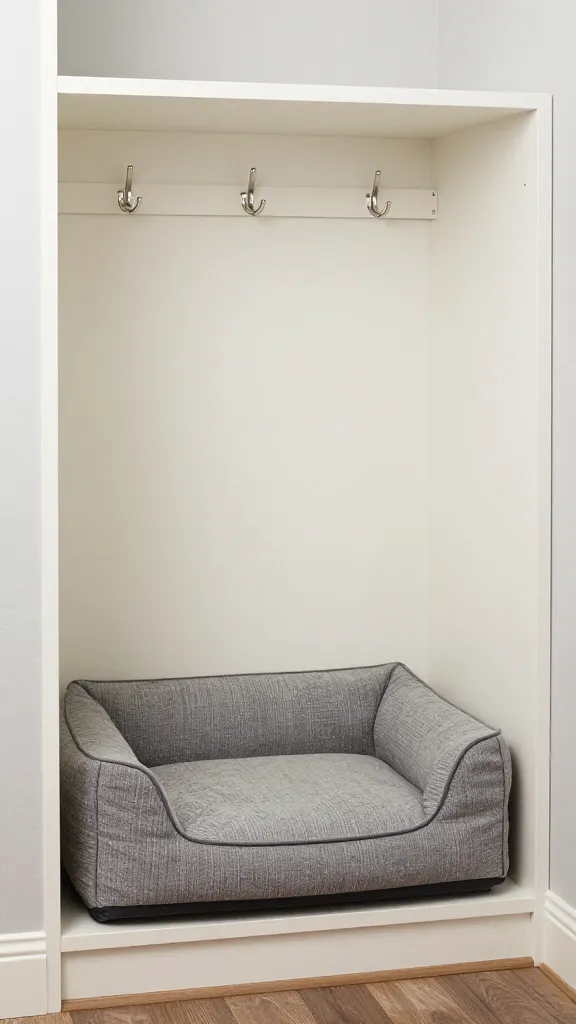
Let’s make this practical with a few plug-and-play ideas.
Mudroom Marvel
– Built-in bench with under-storage for towels and boots
– Wall hooks for leashes and harnesses
– Crate nook under a countertop with a washable runner
– Tile floors, anti-splash feeding mat by the door
Living Room Nook
– Elevated cot near a window with blackout shade
– Low cabinet with bins for toys and grooming
– Decorative gate to block off when needed
– Performance rug over LVP for cozy vibes
Office Sidecar
– Orthopedic bed behind your chair plus a snuffle mat drawer
– Cable management box and a baby gate at the doorway
– White noise machine for focus (for both of you, IMO)
FAQ
How big should a dog room be for a large breed?
Aim for enough space for your dog to stand, turn, and stretch fully without bumping walls—roughly 2x their body length by 1.5x. If you can add an extra walking lane or an enrichment corner, even better.
What’s the best flooring for a big dog room?
Luxury vinyl plank, sealed concrete, and tile hold up to claws and spills. Pair them with washable low-pile rugs and non-slip pads for comfort and traction.
Do large dogs need elevated food bowls?
Not always. Some deep-chested breeds benefit, but bloat risk varies by dog. Talk to your vet about your specific pup, and consider slow feeders for gulpers regardless of bowl height.
How can I reduce dog smell in a small space?
Wash bed covers weekly, clean bowls daily, vacuum hair often, and use washable rugs. Add ventilation, an air purifier with a HEPA filter, and wipe down baseboards where fur and dander collect.
What toys are safest for heavy chewers?
Choose one-piece rubber toys, thick nylon chews, and rope toys with supervised play. Avoid small parts, thin plastic, or anything that shreds fast. Rotate toys to keep interest high.
Is a crate cruel for a big dog?
Not if you size it right, introduce it gently, and keep it comfortable. Many dogs love a den-like space. Make it part of the room design so it feels intentional, not like dog jail.
Conclusion
Designing a dog room for a large breed boils down to three things: durable materials, smart storage, and comfort that actually supports big bodies. Get the basics right—flooring, bed, feeding zone—then layer in style and enrichment. You’ll protect your home, simplify routines, and give your dog a space that feels like theirs. Win-win, with fewer couch casualties.
Ready to upgrade your space? Check out our top picks below — hand-picked options that blend seamlessly into any home while keeping your pup cozy and secure.
As an Amazon Associate, I earn from qualifying purchases.