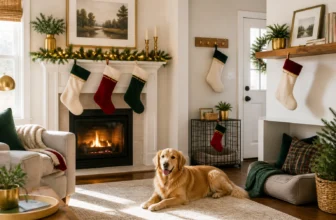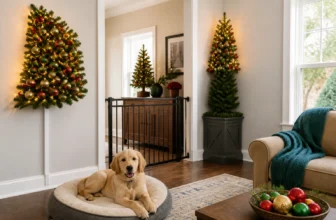
Your dog already owns the couch, the guest bed, and your favorite chair. So let’s call a truce and build them a bed that actually looks good, saves space, and keeps fur tumbleweeds under control. Built-in dog beds can tuck into nooks you never use, match your decor, and give your pup a legit “place.” Ready to ditch the sad floor cushion? Let’s design something that works.
Why Go Built-In Instead of Buying Another Fluffy Pillow?
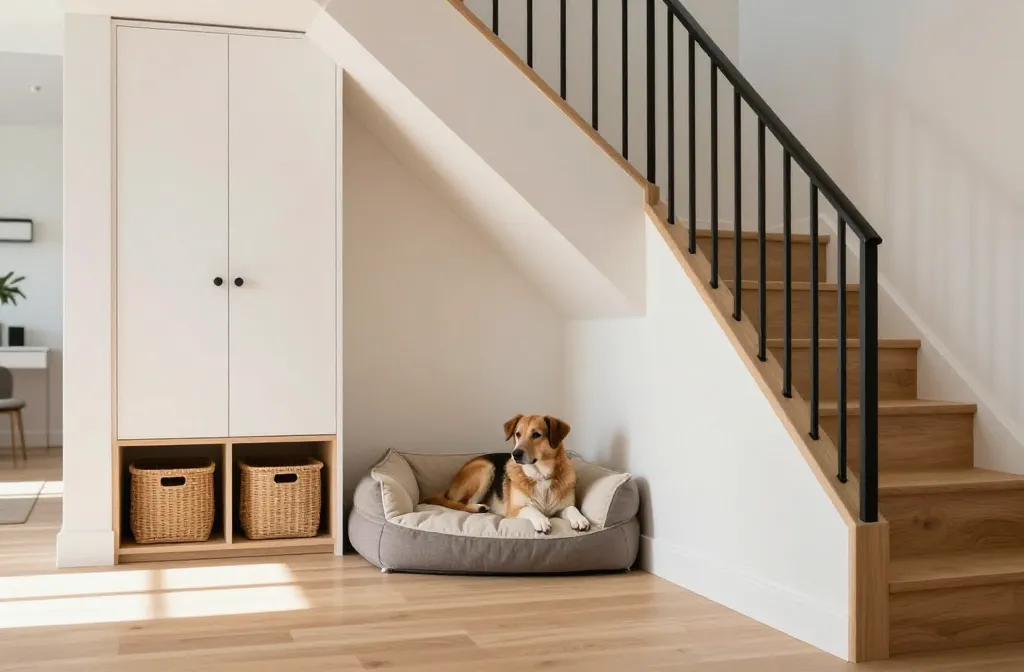
You get a bed that won’t slide around every time your dog does the zoomies. You also score a cleaner look with storage options baked in. And you can size it properly—no more guessing if your Great Dane will fit on a “large” bed. FYI, built-ins usually last longer too, because you can swap out cushions without rethinking the entire setup.
Best Spotting: Where to Build the Bed
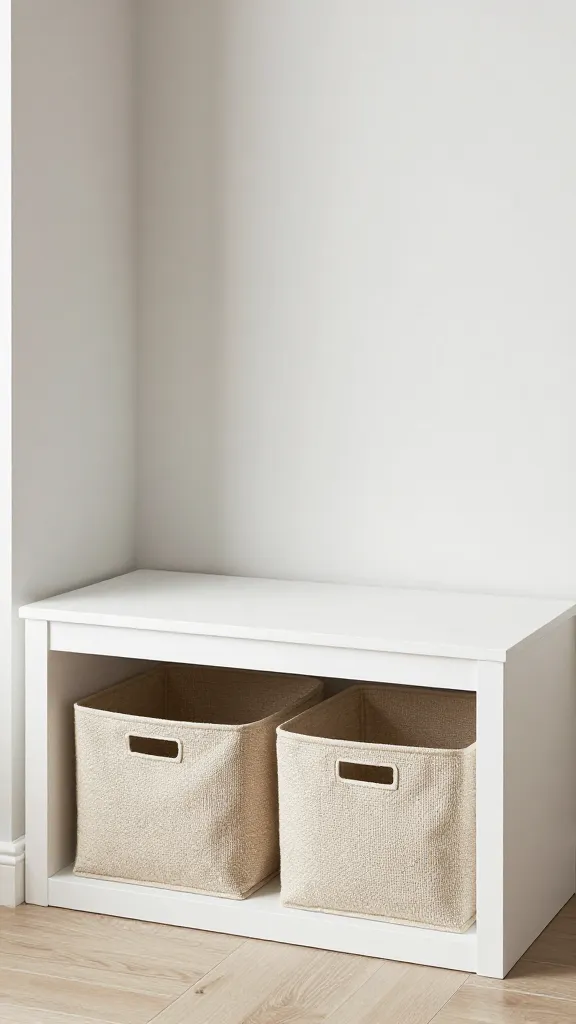
Placement decides whether your dog actually uses the bed or stares at you from the hallway. Aim for visibility and airflow, but avoid high-traffic chaos.
- Under the stairs: That triangle cave already screams “cozy den.” Add a cushion and call it a day.
- In a mudroom bench: A bottom cubby handles dirty paws and soggy days. Toss in a washable pad.
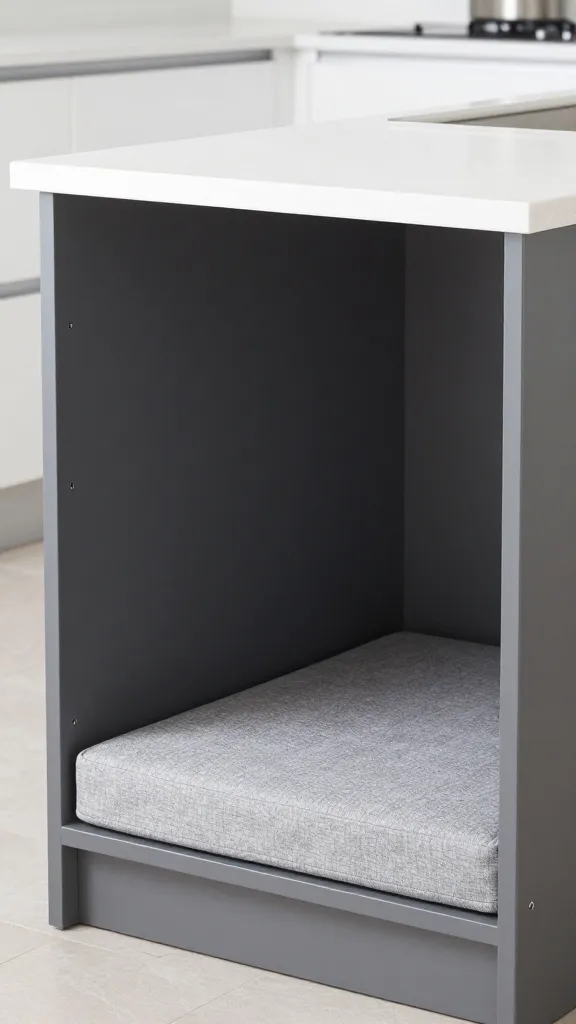
- Kitchen island side: Dogs love the kitchen, let’s be honest. Build a nook into the island’s backside.
- Living room media wall: Replace a lower cabinet with a bed cutout so your dog chills during Netflix.
- Bedroom built-ins: A nightstand base or footboard niche keeps your pup close without hogging the duvet.
Pro Tip: Size It Right
Measure your dog nose-to-tail while stretched out and add 6–8 inches. Height-wise, give them enough headroom to sit without bumping the top, especially for tall breeds.
Design Ideas That Actually Work (And Look Good)
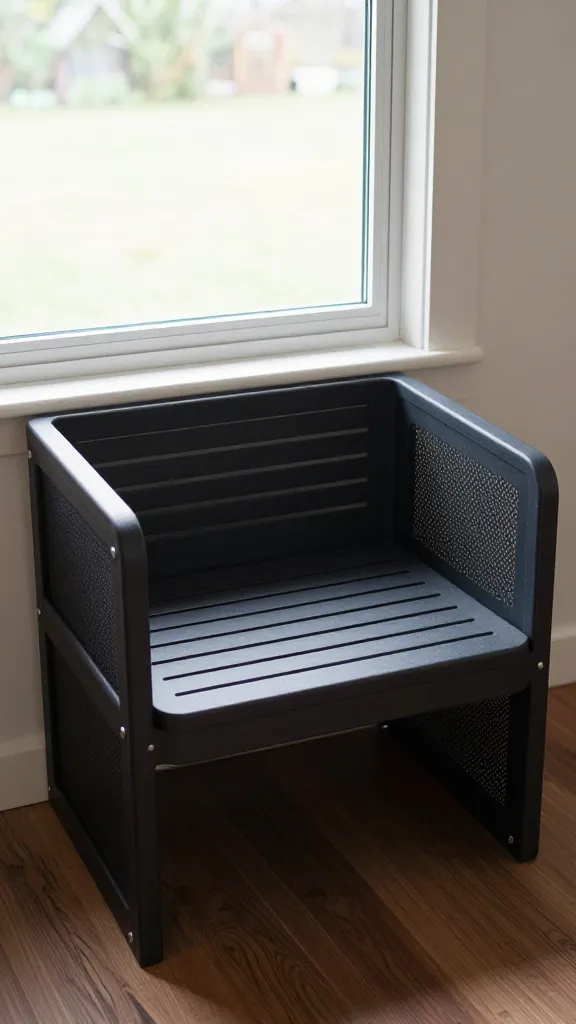
Let’s talk styles that blend into your home, not scream “kennel in a cabinet.”
- Arched nook with trim: Soft curves feel intentional and elevate the space. Paint the inside a contrasting color for drama.
- Slatted front with removable panel: Airflow plus a subtle “den” vibe. Use magnets or hidden latches for easy cleaning.
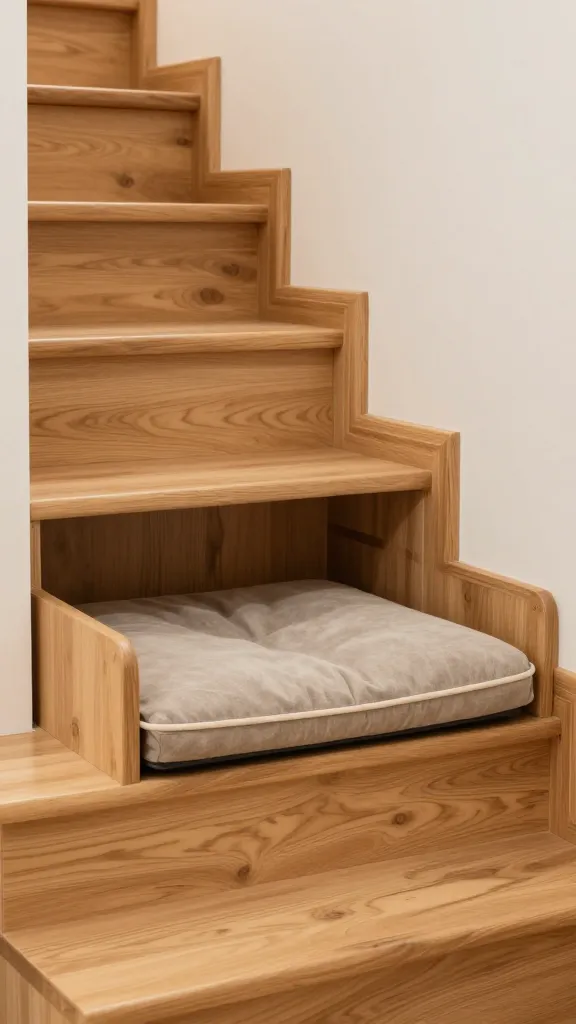
- Drawer-style bed: Pull-out platform under a bench or bed. Slide it out at night, tuck it away during the day—super slick.
- Island end-cap alcove: Frame a shallow recess with beadboard or shiplap for texture. Durable and cute, IMO.
- Floating niche: Built into a thick wall with a ledge lip. Adds a modern, custom look without hogging floor space.
Match Your Home’s Style
– Modern: Flat-panel fronts, hidden hardware, matte paint, and a simple bolster pad.
– Farmhouse: Beadboard, warm wood stain, black iron pulls, plaid cushion.
– Coastal: White paint, rattan baskets nearby, striped fabric, light oak trim.
– Classic: Painted cabinetry with crown molding and a tailored cushion with piping.
Materials That Survive Drool, Dirt, and Daily Naps
Dogs put gear through boot camp. Choose finishes and fabrics that don’t cry after a muddy walk.
- Cabinet-grade plywood with edge banding beats particleboard. Seal all edges.
- Hard-wearing paint: Scuff-resistant satin or semi-gloss enamel. Easy wipe-downs.
- Waterproof LVP or sealed wood for the bed floor. Add a thin rubber mat under the cushion to stop sliding.
- Performance fabrics: Crypton, outdoor acrylic, or tight-weave twill. Removable covers = sanity.
- High-density foam + washable topper: 4–5″ for big dogs, 2–3″ for small dogs. Layer with a machine-washable fleece or quilted cover.
- Ventilation: Drill 1″ holes in the back or use slats to keep air moving and odors down.
Noise and Smell Control
– Add peel-and-stick acoustic felt under the platform to quiet movement.
– Use an enzyme spray and wash covers weekly.
– Place cedar sachets in a nearby drawer to keep things fresh. Works shockingly well.
Smart Storage: Hide the Ugly, Keep the Useful
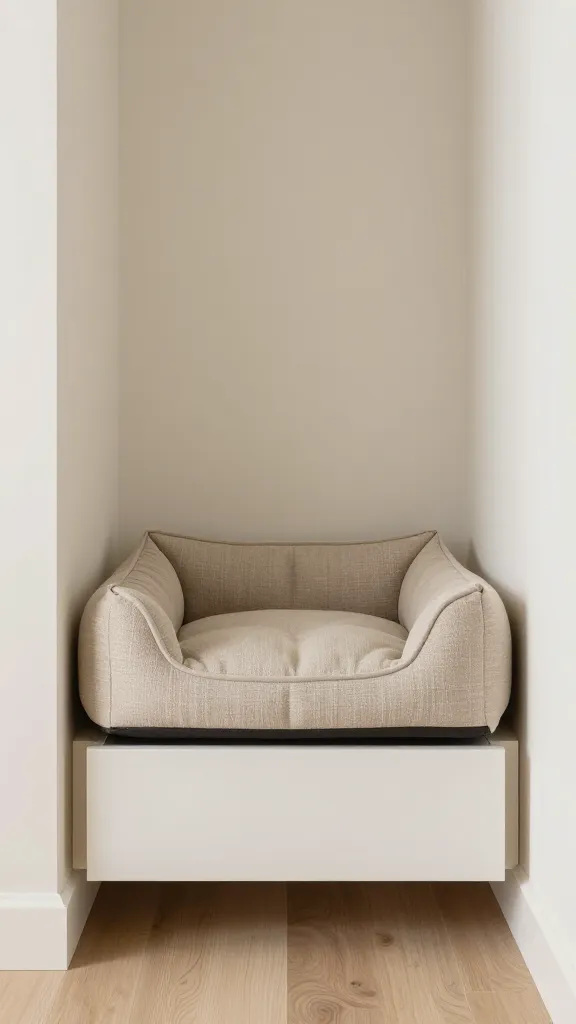
Built-ins shine when they double as stash zones for leashes, toys, and mystery tennis balls.
- Flip-top bench lid: Store blankets, backups of covers, and a lint roller (you’ll thank me).
- Shallow side drawers: Perfect for meds, grooming tools, and poop bags.
- Integrated hook rail: Mount inside a door for leashes and harnesses.
- Hidden outlet: Charge a pet cam or plug in a low-profile fan for airflow. FYI, confirm code compliance.
Safety First: Design With Your Dog’s Habits in Mind
We build for the real dog you have, not the angelic one on Instagram.
- Chewers: Avoid exposed corners. Use metal edge guards or rounded solid wood trim.
- Heat-sensitive breeds: Keep away from ovens, radiators, and heater vents. Add a small vent grille.
- Anxious pups: Provide sight lines. Skip doors unless crate training helps them relax.
- Senior dogs: Lower platform height and a small front lip. Add a non-slip ramp if needed.
- Multiple dogs: Consider two adjacent nooks with a divider to prevent turf wars.
Cleaning Access Matters
Build with maintenance in mind:
– Removable cushion covers with zippers.
– A slide-out platform or a front panel on magnets.
– Glossy interior paint or laminate for quick wipe-downs.
Simple Build Blueprint (DIY-Friendly)
Want a weekend project that won’t end in tears? Here’s a straightforward plan.
- Frame the cavity: Use 3/4″ plywood for sides, back, and top. Screw into studs, square everything.
- Face frame: Add 1×2 or 1×3 poplar for durability. Sand smooth to prevent snagging fabric.
- Flooring: Drop in a removable plywood base topped with LVP or sealed polyurethane.
- Vent and wiring: Drill ventilation holes; add a grommet if you plan a nearby outlet or camera.
- Finish: Prime, then two coats of durable enamel. Caulk seams for a built-in look.
- Cushion: Cut foam to fit; sew or buy a cover with a waterproof liner.
Not Handy? No Problem
– Convert an existing cabinet by removing doors and adding trim.
– Use a pre-made bench and cut a front arch with a jigsaw.
– Hire a carpenter for a day; show inspo pics and measurements. Sometimes the pro route saves money, IMO.
Small Space Hacks That Still Wow
No spare real estate? You’ve got options.
- Toe-kick retreat: Create a shallow nook beneath a wall of cabinets. Hide it behind a decorative grille.
- Corner wedge bed: Build a triangle platform with a custom cushion and a vertical toy bin behind it.
- Window seat + dog den: Dog below, human book nook above. Everyone wins.
- Hallway cubby: Recess between studs with a 3.5″ deep niche for small-breed loungers.
Style It Like You Meant It
It’s furniture, not a dog cave. Dress it accordingly.
- Layered textiles: Neutral base cushion + patterned throw = easy seasonal refresh.
- Name plate or tag hook: A small brass label adds custom vibes without going tacky.
- Low-profile night light: A motion-activated LED strip helps older dogs find their spot.
- Color pop: Paint the interior a bold hue your living room won’t commit to. Tiny risk, big reward.
FAQs
How big should a built-in dog bed be?
Measure your dog from nose to tail while stretched out and add 6–8 inches in length and width. Give enough height for them to sit without bumping the top. If you have a puppy, size for their adult breed estimate or build in a removable spacer to shrink the space temporarily.
What kind of cushion works best?
Use high-density foam (4–5″ for large dogs, 2–3″ for small) wrapped in a waterproof liner and a washable cover. Performance fabrics like Crypton or outdoor-rated acrylic resist stains and fur. Add a thin non-slip mat under the cushion to keep it from creeping.
Can I add a door or gate?
Yes, but only if your dog already likes crate-style spaces. Opt for a removable or sliding panel with good ventilation. Avoid fully enclosing it in hot areas like kitchens without extra airflow.
How do I keep it from smelling?
Ventilation holes or slats matter. Wash covers weekly, vacuum the cavity, and wipe hard surfaces with pet-safe cleaner. Enzyme sprays handle accidents, and cedar sachets help with lingering odors.
Is a built-in safe for older or arthritic dogs?
Absolutely—just keep it low and accessible. Use a gentle ramp or a single shallow step and a firm, supportive cushion. Non-slip flooring around the entrance helps prevent slips.
What if I move or remodel later?
Design the bed to convert back to storage. Make the platform removable, use standard cabinet widths, and keep trim modular. Future you will be grateful, FYI.
Conclusion
A built-in dog bed turns dead space into the coziest corner in your house—and your pup will actually use it. Pick a spot they already love, choose durable materials, and plan for cleanability. Keep the design simple, stylish, and tailored to your dog’s quirks, and you’ll both retire the couch tug-of-war for good.
Ready to upgrade your space? Check out our top picks below — hand-picked options that blend seamlessly into any home while keeping your pup cozy and secure.
As an Amazon Associate, I earn from qualifying purchases.