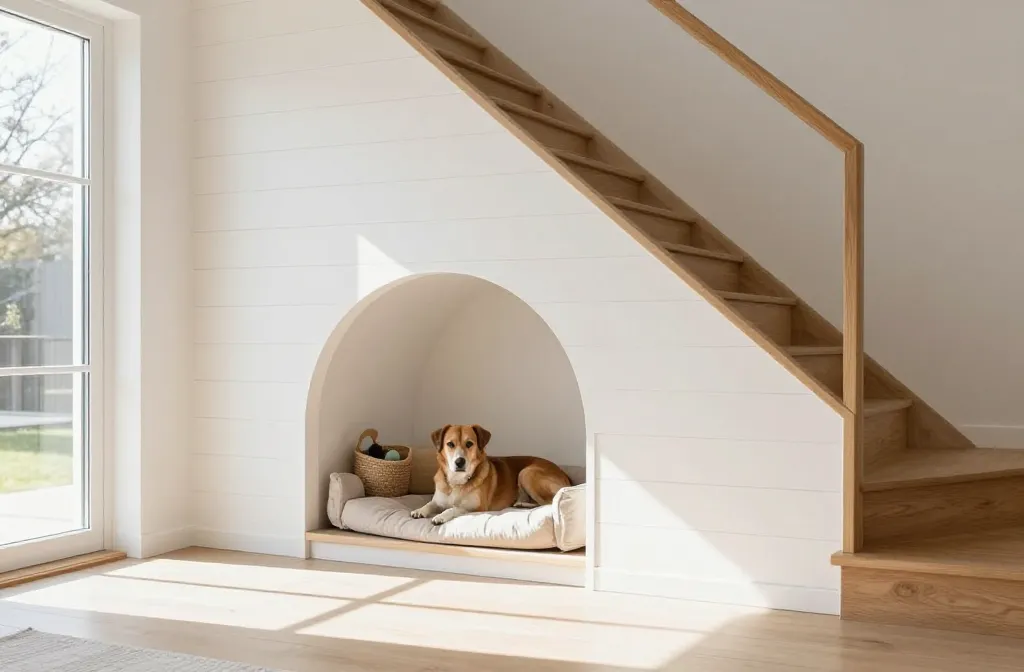
Some dogs sprawl across the couch like they pay the mortgage. Others curl up in corners and vanish like fluffy ninjas. Either way, a built-in dog bed gives your pup a legit spot while keeping your home tidy and stylish. Let’s turn that awkward nook or wasted space into a cozy canine suite your dog will brag about at the dog park.
Why Go Built-In Instead of Buying Another Fluffy Rectangle?
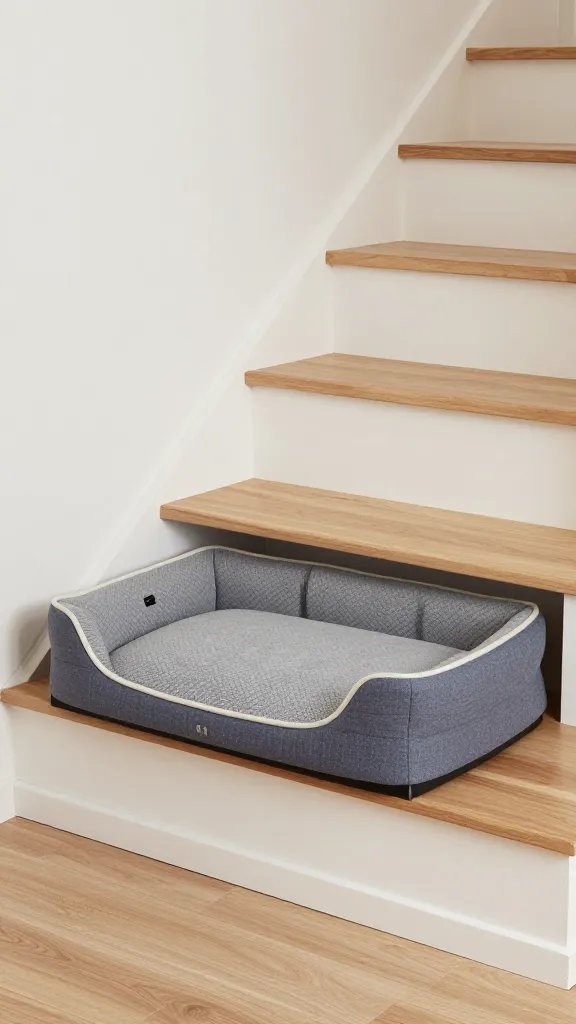
Built-ins look intentional. No more tripping over beds that migrate across the room like tumbleweeds. You’ll get a polished, custom vibe without adding clutter.
They also save space. Slide a bed into a cabinet, under stairs, or inside a bench, and boom — more floor for zoomies. And FYI, built-ins help with routine: your dog learns “my spot,” which makes chill time easier.
Bonus: Built-ins often hold storage for leashes, toys, and the squeaker your dog refuses to let die.
Clever Spots to Tuck a Built-In Bed
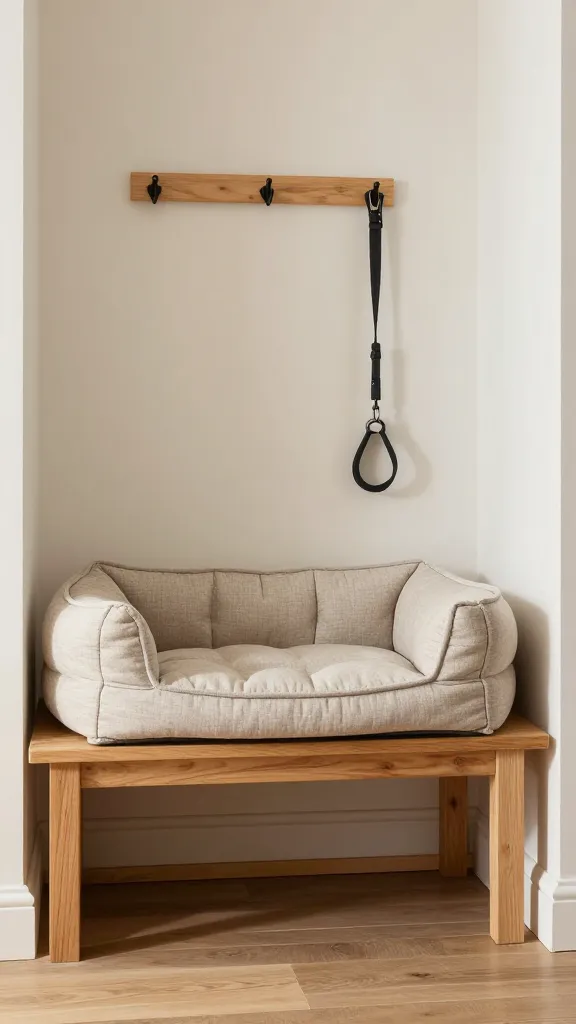
- Under the stairs: Turn the Harry Potter cupboard into a pup palace. Add a low door or leave it open with a cute arch.
- Kitchen or mudroom cabinets: Swap a lower cabinet for a bed cubby. Great for dogs who stick to you while you cook.
- Window seats and bay benches: Dogs love sunbeams. A nook with a cushion = nap central.
- Living room media console: Replace lower shelves with a soft bed. Your dog chills while you binge.
- Built-in bookshelves: Dedicate a bottom shelf to your dog and add baskets above for toys and grooming stuff.
Safety and Comfort First
- Ventilation: Add slatted fronts or side cutouts so air flows well.
- Clearance: Leave at least 4-6 inches around your dog’s curled body size.
- Visibility: Most dogs relax when they can see the room. Avoid deep tunnels unless your dog loves dens.
Design Ideas That Actually Work (and Look Good)
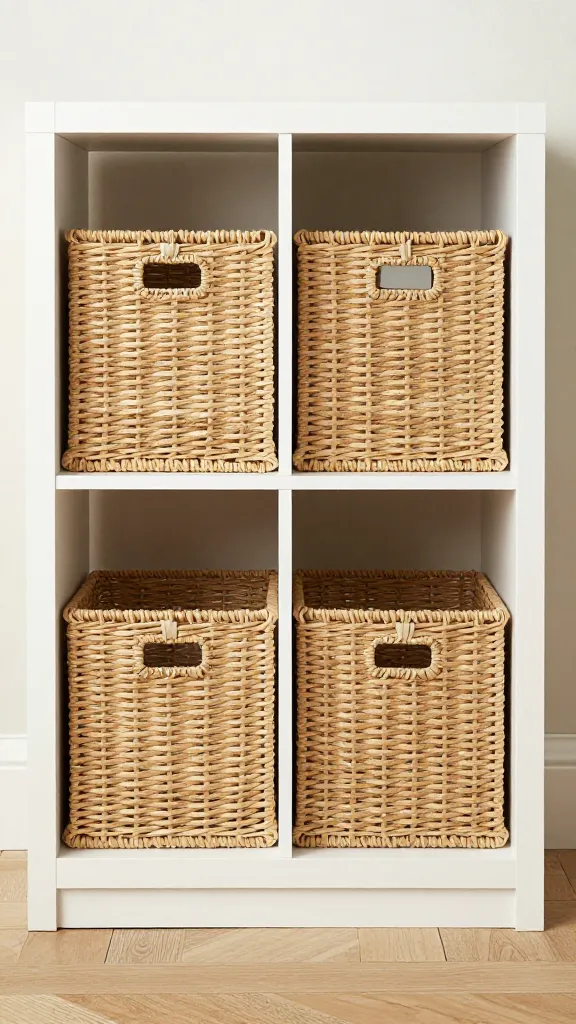
Match your home’s style so the bed feels built-in, not bolted-on. A few easy ideas:
- Shaker-style fronts: Clean, classic, and easy to paint. Add a cutout “doorway” with rounded corners.
- Arched openings: Soft, cozy vibes. Add beadboard inside for texture.
- Mid-century slats: Wood slats on the face provide ventilation and look fancy without trying too hard.
- Floating nook: Create a wall niche with a ledge and cushion. Minimal footprint, maximum cute.
Lighting and Extras
- LED strip light: Warm, dimmable under-shelf lighting makes it feel luxe (and helps you find that missing Kong).
- Nameplate or brass tag: Because your dog deserves signage.
- Hook rail: Mount tiny hooks nearby for leashes and poop bags. Functional and tidy.
Comfort: The Cushion Matters More Than the Cubby
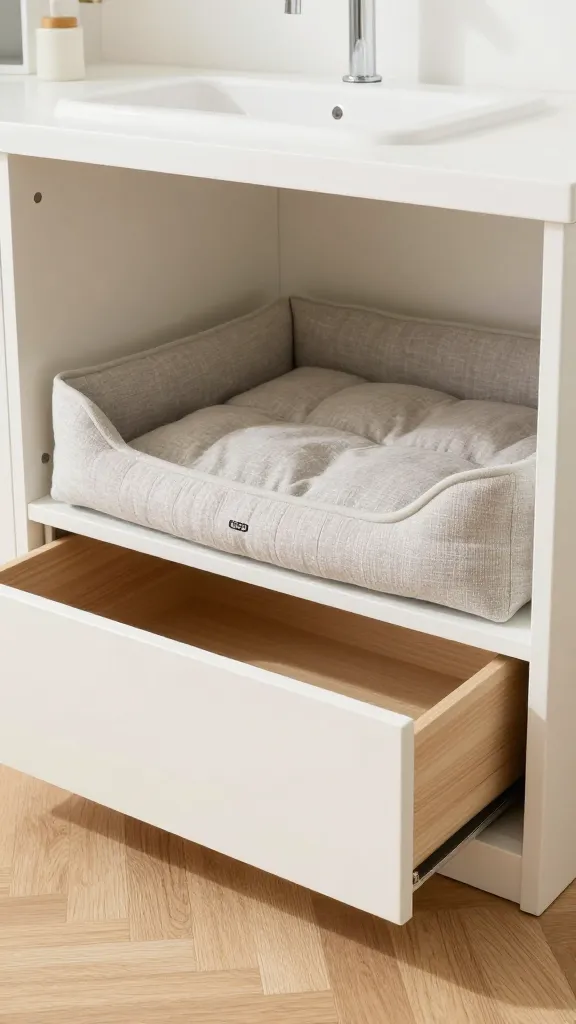
If the cushion stinks (figuratively and literally), your dog won’t use it. Choose wisely:
- Foam: Use a 3-4 inch high-density foam base for support. Senior dogs love memory foam toppers.
- Cover fabric: Go for durable, washable, and upholstery-grade. Crypton, outdoor fabric, or heavy canvas = clutch.
- Zippers and liners: Waterproof inner liner + removable zip cover makes cleanup easy after “mystery moisture.”
- Non-slip base: Add rug pad or silicone dots so the cushion doesn’t slide around like a hockey puck.
Temperature Tips
- Hot climates: Use breathable fabric and add a small vent or mesh panel.
- Cold floors: Raise the bed slightly and use insulating foam or a wool topper.
DIY Steps (Without Tears)
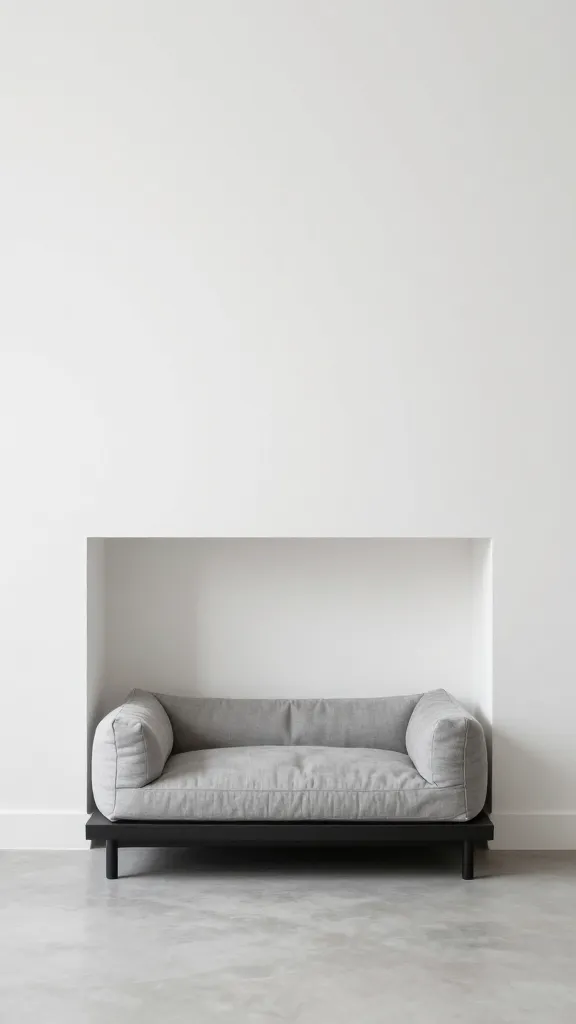
You don’t need a full workshop. Just plan, measure, and respect your dog’s nap schedule.
- Measure your dog properly: Nose-to-tail when stretched, and shoulder height when standing. Add margin for turning.
- Pick the location: Near family activity but not in the way of traffic. Corners feel safe.
- Frame the opening: Use 1×2 or 1×3 lumber for a clean edge. Sand everything smooth.
- Vent and wire: If adding lighting or an outlet for a fan, rough it in now.
- Finish inside surfaces: Durable paint or water-based poly on wood. Avoid rough textures that catch fur.
- Build or buy the cushion: Cut foam to fit, sew (or order) a fitted cover, and add a waterproof liner.
- Add trim and hardware: Edge banding, corner guards, and a cute nameplate. You earned it.
Pro-Level Upgrades
- Drawer base: A hidden drawer under the cushion for toys and grooming tools.
- Removable panel: Magnetic or hinged front for easy cleaning or vet-ordered rest crates.
- Crate conversion: Build a standard crate into cabinetry with a matching face frame for safe confinement when needed.
Built-In Bed Ideas by Room
- Kitchen: Convert a 24- or 30-inch base cabinet near the back door. Add a flip-down face that becomes a mini ramp for seniors.
- Mudroom: Under a bench with cubbies above. Paw-wipe station within reach = chef’s kiss.
- Living room: Bottom shelf of a media wall with a fabric or rattan sliding door for a chill den feel.
- Bedroom: Niche at the foot of the bed or inside a window seat so your dog snores gently while you read.
- Hallway: Turn a shallow closet into a pet zone with a half-height door and hooks.
Common Mistakes to Avoid (Learn From My Chaos)
- Too small: If your dog needs a three-point turn, you built a shoebox. Size up.
- Zero airflow: Stale nook = stinky nook. Add vents or slats.
- Unsealed wood: Drool happens. Seal it or regret it.
- Trapping the bed: Make the cushion removable for washing. You’ll thank me, IMO.
- Ignoring habits: If your dog guards doorways, don’t put the bed in a high-traffic choke point.
Maintenance: Keep It Fresh Without Losing Your Mind
- Weekly: Vacuum fur and wash the cover if it smells like “essence of dog.”
- Monthly: Wipe interior surfaces with pet-safe cleaner. Check for chew damage.
- Seasonal: Rotate or replace foam, launder liners, and reassess fit if your puppy hit a growth spurt.
FAQs
How big should a built-in dog bed be?
Measure your dog from nose to tail when stretched and add 6-8 inches in length and width. Height should let them sit up comfortably without bumping their head. Bigger beats cramped every time, FYI.
What materials work best for durability?
Use plywood or solid wood sealed with water-based polyurethane for the structure. For the cushion, pick high-density foam with a waterproof liner and a washable, upholstery-grade cover like Crypton or performance canvas.
Can I convert an existing cabinet into a dog bed?
Absolutely. Remove the doors, add a reinforced base, and create a safe opening with rounded edges. Add vents or slats for airflow and finish the inside with durable paint before sliding in a custom cushion.
Is it safe to put a built-in bed in the kitchen?
Yes, if you keep it away from heat sources and cleaning chemicals. Place it near a calm corner, add a mat to catch water bowl spills, and ensure your dog can exit easily when you channel your inner chef.
What if I need crate-style confinement sometimes?
Build a crate face into the cabinetry with a secure, ventilated door. You’ll get the look of a built-in and the function of a crate when needed. Keep sightlines open so your dog doesn’t feel isolated.
How do I make it comfy for older dogs?
Use a thicker, supportive foam with a memory foam topper and a low threshold for easy entry. Add a warm, non-slip surface and consider a small ramp if the bed sits inside a bench or raised nook.
Conclusion
A built-in dog bed levels up your home and your dog’s daily life — less clutter, more comfort, and a space that actually looks intentional. Pick the right spot, size it generously, and invest in a great cushion. Do that, and your dog will claim their new nook so fast you’ll wonder why you waited, IMO.
Ready to upgrade your space? Check out our top picks below — hand-picked options that blend seamlessly into any home while keeping your pup cozy and secure.
As an Amazon Associate, I earn from qualifying purchases.