This post contains affiliate links. As an Amazon Associate, I earn from qualifying purchases, at no extra cost to you.
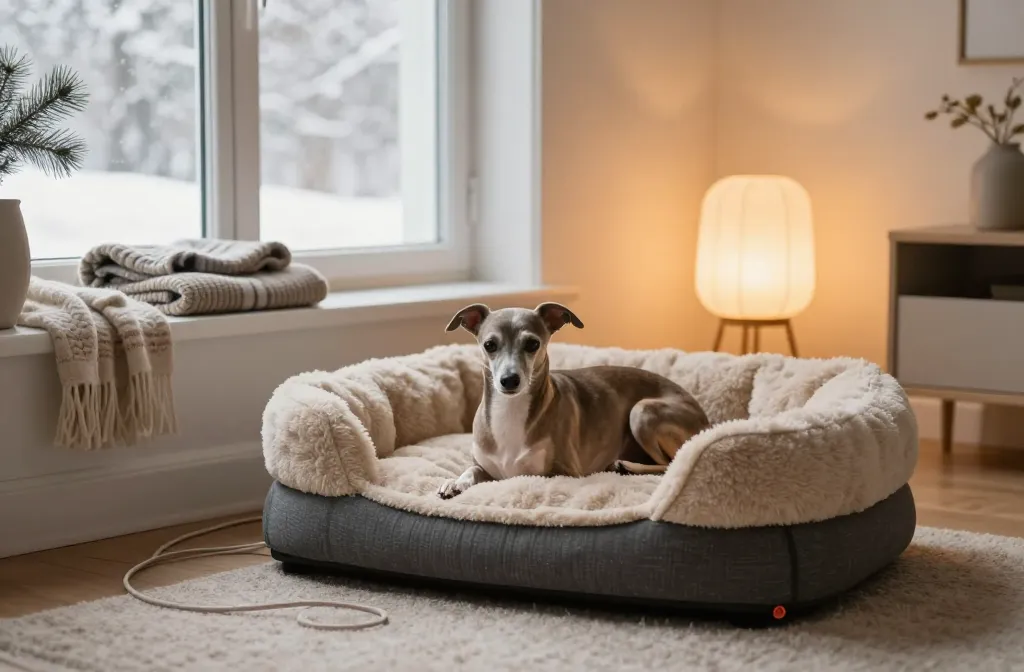
Cold-nosed cuddle bug glued to your leg every winter? Same. If your pup shivers the minute temps drop, a warmer dog bed can make a huge difference. Let’s turn their snooze spot into a cozy winter den—without turning your living room into a pile of mismatched blankets. Here are smart, safe, and actually cute ideas that work.
Heated Dog Beds: Toasty With a Plan
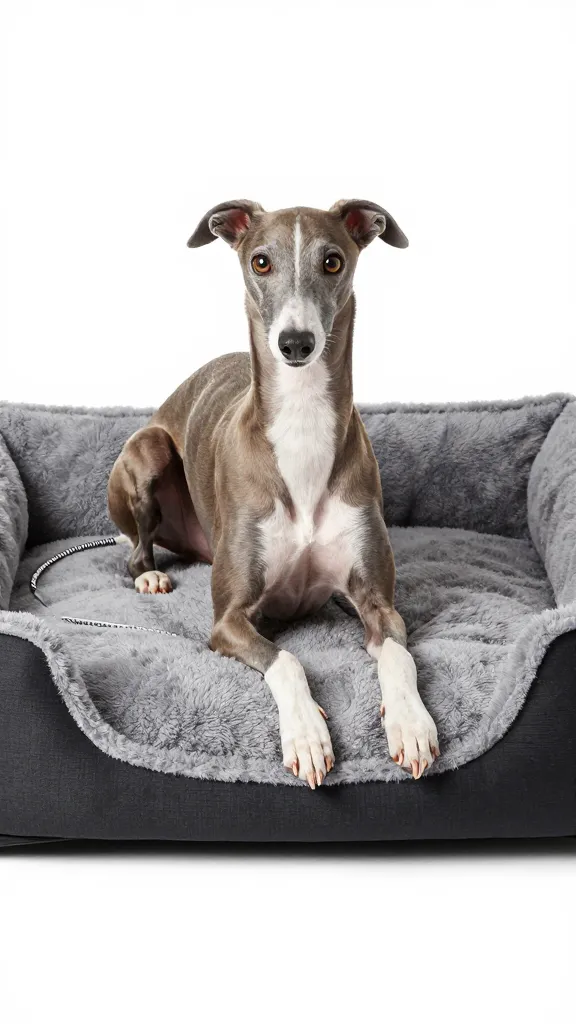
Heated beds bring gentle, regulated warmth—perfect for seniors, tiny breeds, or low-body-fat pups (looking at you, greyhounds). Choose a model with a low-watt heating pad and UL certification. Look for chew-resistant cords, a thermostat that stays around 102°F when your dog lies on it, and a machine-washable cover.
- How to set it up: Place the bed away from drafts and never pinch cords under furniture. Test the heat with your hand—warm, not hot. Add a thin blanket on top if your pup prefers extra softness.
- Best for: Seniors with arthritis, small short-haired breeds, or pups who seek radiator-level warmth.
- IMO: I’d pick a low-profile orthopedic heated bed for stability. I’d skip anything without an auto-regulating thermostat.
Safety first with cords
Route cords through cord covers if you have a chewer, and unplug when not in use. If your dog gnaws everything, try a self-warming option instead.
Self-Warming (Reflective) Beds: Heat Without Electricity
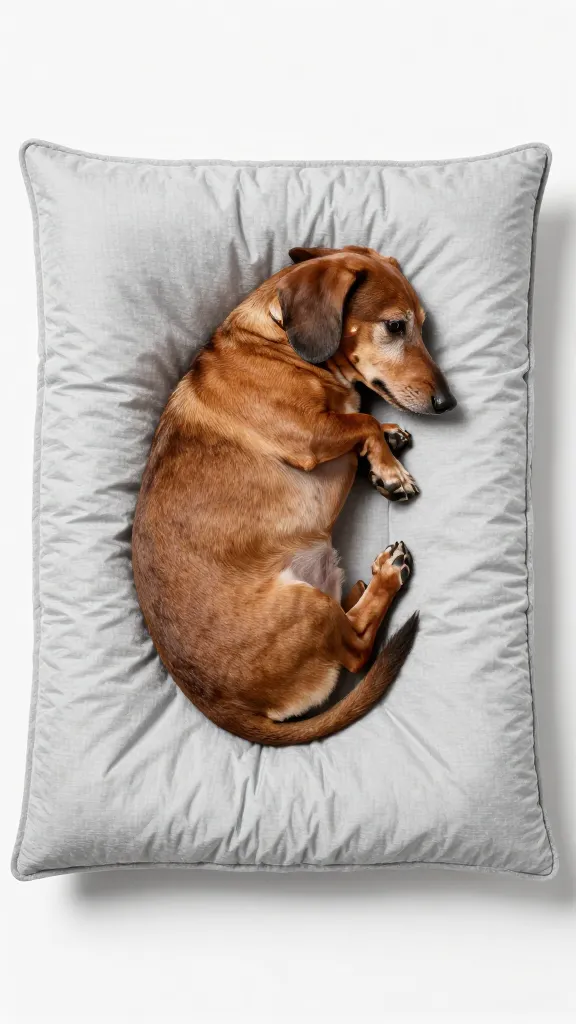
These beds use your dog’s body heat and reflect it back with a mylar-style lining. No plugs, no fuss. They work surprisingly well when you layer them correctly.
- What to look for: A thick, grippy base for insulation; a removable, washable cover; and a quiet reflective layer (some crinkle—test if your dog startles easily).
- Best for: Crate setups, apartments with limited outlets, dogs who like moderate warmth.
- Worth it if: You want a safe, low-maintenance solution and a decent warmth boost without wires.
Pro layering tip
Slide a thin fleece on top to muffle any crinkle noises and add softness, but avoid thick quilts that block heat reflection.
Donut and Bolster Beds: Snug as a Bug (with Neck Support)
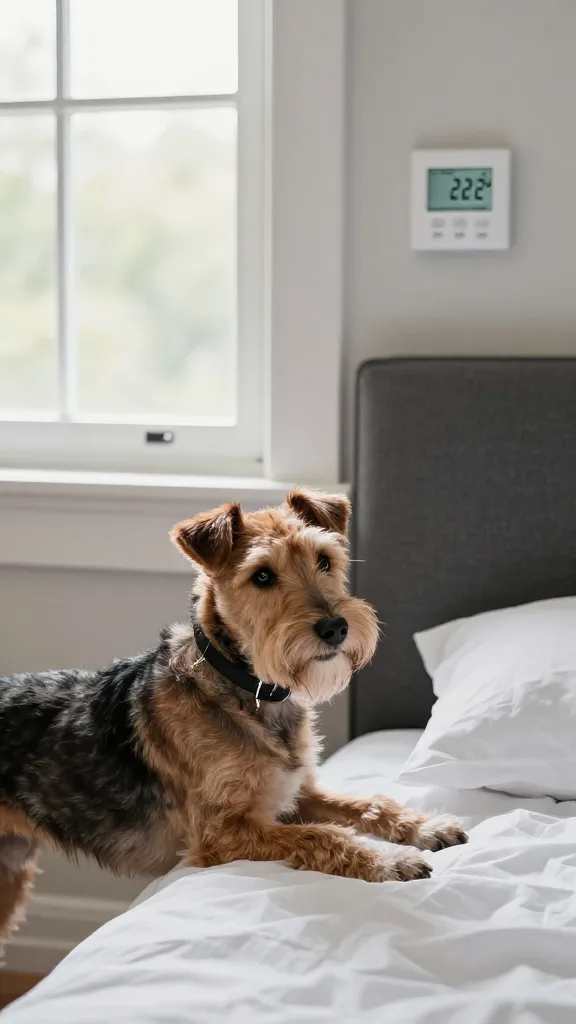
Dogs lose heat through exposed sides. Donut and bolster beds wrap them in a high-sided ring that traps warm air and gives a headrest. Choose shag or faux-fur for insulation and a non-skid base so the bed doesn’t slide when they circle.
- How to choose size: Size up one notch so your dog can curl without dangling paws. Too small equals draft city.
- Best for: Curlers, anxious pups, and dogs who want a den-like feel in living rooms or bedrooms.
- IMO: I’d pick a donut bed with a zip-off cover. I’d skip ultra-fluffy fills that mat after a month.
Draft-proof placement
Park it away from doors, windows, and vents. Even the coziest bed loses the battle against a hallway wind tunnel.
Orthopedic Foam with Cozy Toppers: Joint-Friendly Warmth
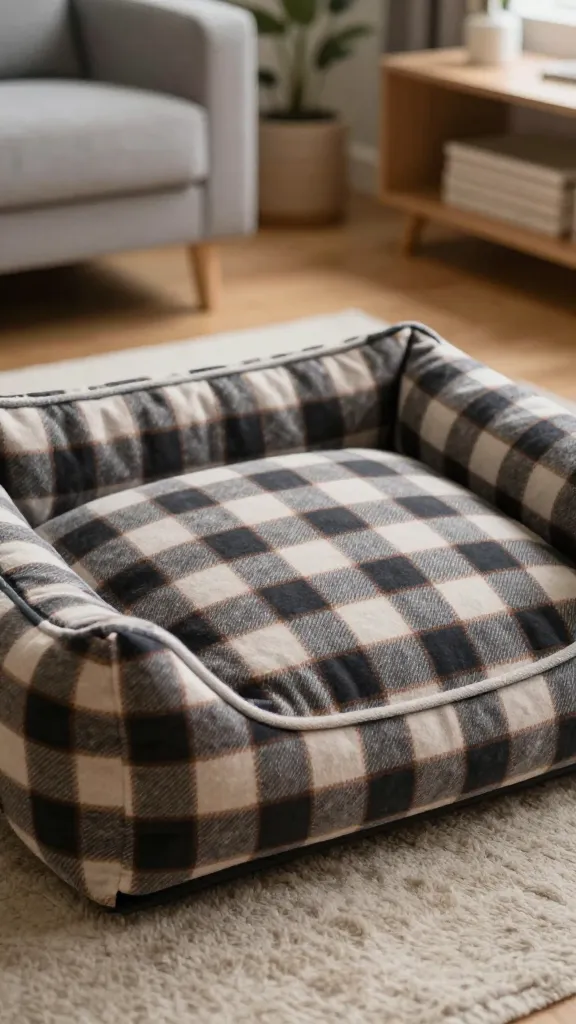
Cold beds stiffen joints. If your pup hesitates to lie down or limps after naps, get solid memory foam or high-density orthopedic foam. Then add a warm topper—think sherpa, fleece, or a self-warming pad.
- What to look for: A waterproof liner around the foam, zip-off washable cover, and 3–5 inches of real foam (not shredded fluff).
- Best for: Senior dogs, large breeds, and anyone recovering from injury.
- Worth it if: Your dog needs support but still wants that snuggly surface feel.
DIY topper trick
Buy a separate sherpa cover a size larger than the bed. Pull it tight for a smooth, warm finish. Tension matters—wrinkles trap cold air.
Crate Dens and Covered Nooks: Block the Chill
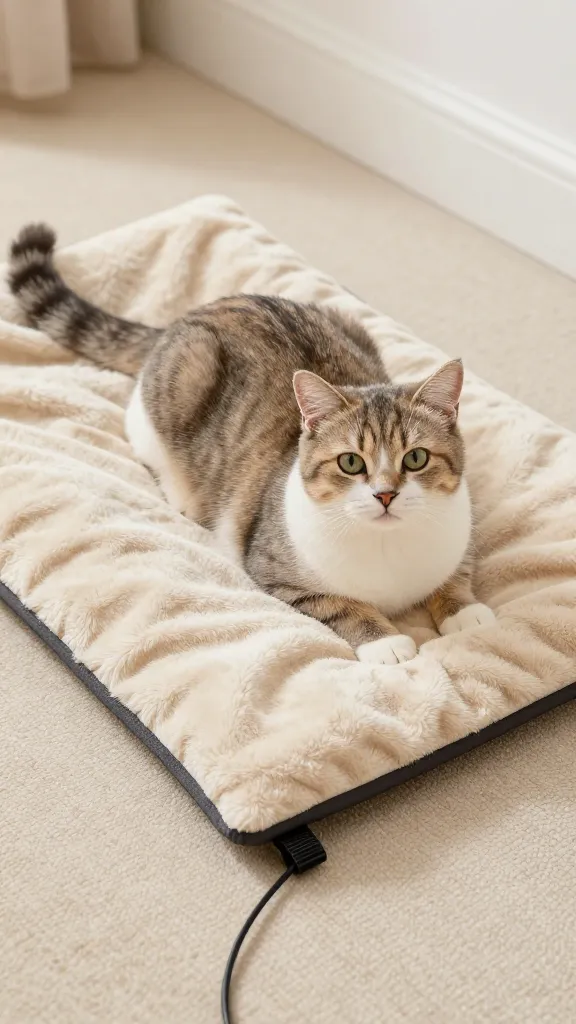
Cold air sinks and drafts whip under doors. Turn the crate into a microclimate: add a crate pad + self-warming mat, then a breathable crate cover or blanket that doesn’t block ventilation.
- How to do it safely: Use a fitted crate cover or tuck blankets securely so your dog can’t pull them inside and chew. Leave at least one open side for airflow.
- Best for: Dogs who sleep in crates at night, nervous pups who love a “den.”
- IMO: I’d pick a canvas-style cover. I’d skip heavy quilts that trap moisture and odors.
Add a draft guard
Slide a rolled towel or a foam draft stopper along the crate’s floor edge if the room gets breezy. Simple fix, big comfort bump.
Elevated Beds with Insulating Layers: Off the Cold Floor
Tile and concrete eat heat. An elevated cot keeps your dog off the cold and lets warm air wrap around. Add a fitted fleece sleeve or a snug bed pad for winter.
- What to look for: A sturdy frame, tight mesh that doesn’t sag, and non-slip feet. Check that add-on pads secure with straps or elastic.
- Best for: Mudrooms, garages with space heaters, or households with floor drafts.
- Worth it if: Your dog runs warm but the floor runs freezing.
Outdoor porch note
If you use a cot outside, pair it with a weatherproof bed pad and never rely on electricity outdoors unless the product is rated for it. Safety first, always.
Blanket Strategies and Bed Add-Ons That Actually Work
Random blanket piles look cozy but trap cold pockets. Use one plush fleece and one thinner thermal layer on top of the bed. Clip or elasticize the corners (with safe, sewn-in elastic on a cover—no pins) so your dog doesn’t kick everything off by 2 a.m.
- Bonus warmth: Add a microwaveable pet-safe heat pack under the top layer for 20–30 minutes of boost. Follow directions and check heat with your wrist first.
- Best for: Dogs who nest or burrow, and owners who wash bedding often.
- IMO: I’d pick fleece over wool for easy washing. I’d skip weighted blankets on small dogs—they can overheat or restrict movement.
Common Mistakes to Avoid
- Overheating: Layering a heated bed under thick quilts can trap too much heat. Keep it breathable.
- Ignoring size: Beds that barely fit your dog won’t insulate well. Size up for curlers.
- Cheap foam: Flimsy fill = cold spots and pressure points. Go for dense foam or quality fill.
- Cord hazards: Dangling cords tempt chewers. Use chew-resistant cables and cord covers, or go self-warming.
- Drafty placement: Even the best bed loses against a door gap or window leak. Move the bed or fix the draft.
FAQs
How warm should a dog bed feel?
Warm, not hot. Aim for “cozy hand warmth.” Heated beds designed for pets typically sit around body temperature when in use. If it feels toasty like a heating pad on high, it’s too warm—adjust layers or switch to self-warming.
Are heated dog beds safe for overnight use?
Yes, if you choose a UL-listed pet-specific bed with auto-regulating temperature and follow directions. Keep cords protected, inspect regularly, and avoid for heavy chewers. When in doubt, unplug and use a self-warming topper.
What materials keep dogs warm without electricity?
Fleece, sherpa, and high-pile faux fur trap air and reflect heat. Add a reflective (mylar-style) liner under a soft top. A dense foam base also blocks cold from below.
How do I keep a dog bed from sliding on hardwood?
Pick a bed with a rubberized base, or add a non-slip rug pad cut slightly smaller than the bed. Movement breaks the warm seal and annoys circling pups, so stability matters.
My dog chews everything. What’s my safest warm bed option?
Skip cords. Go with a tough, canvas-style bed plus a self-warming mat inside a crate or nook. Choose beds labeled chew-resistant (not chew-proof—nothing is), and remove loose tags or decorative bits.
Do big dogs need different winter beds?
They need thicker, denser foam to prevent cold spots and joint pressure. Look for 4–5 inches of quality foam, large bolsters to block drafts, and covers that zip off for easy washing.
Conclusion
Cold pups don’t need ten blankets—they need smart insulation, safe heat, and a draft-free spot. Whether you choose a thermostat-controlled heated bed, a reflective self-warming pad, or a bolster nest with a sherpa topper, prioritize support, washable covers, and safe placement. Pick one or layer two options, and you’ll see fewer shivers and way more contented snores. Cozy mission: accomplished.
As an Amazon Associate, I earn from qualifying purchases.