
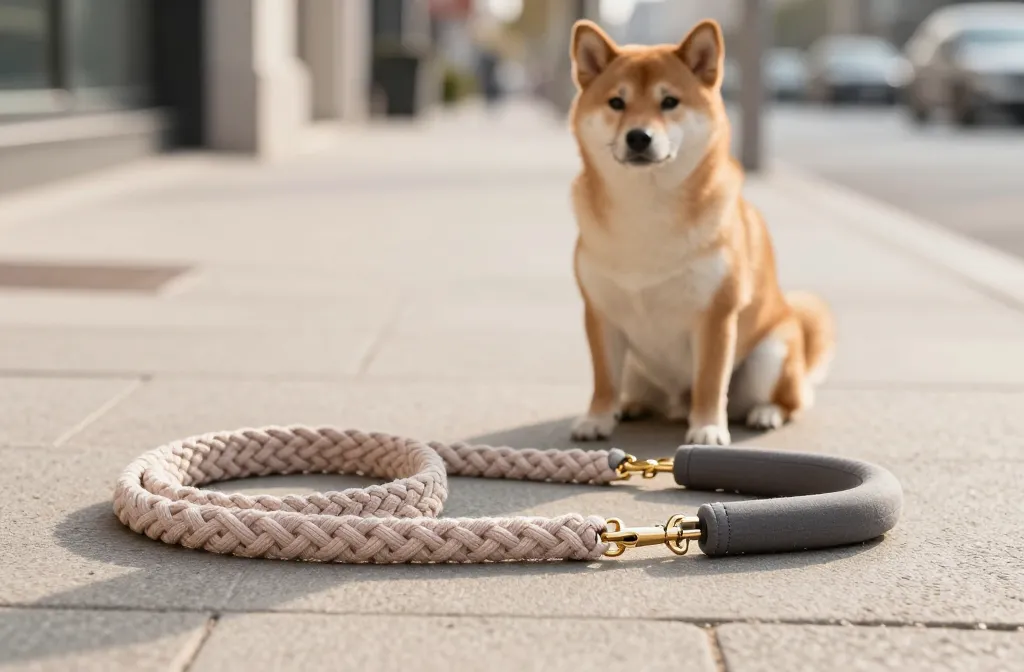
You want a stylish leash that won’t fray in a week and doesn’t scream “generic nylon strip.” Enter macrame: sturdy, customizable, and seriously good-looking. You can knot a leash that matches your dog’s vibe—and your outfit—without advanced crafting wizardry. Grab some cord, a few knots, and a cup of something cozy. Let’s make a leash that’ll turn heads at the dog park.
Why Macrame Works for Dog Leashes
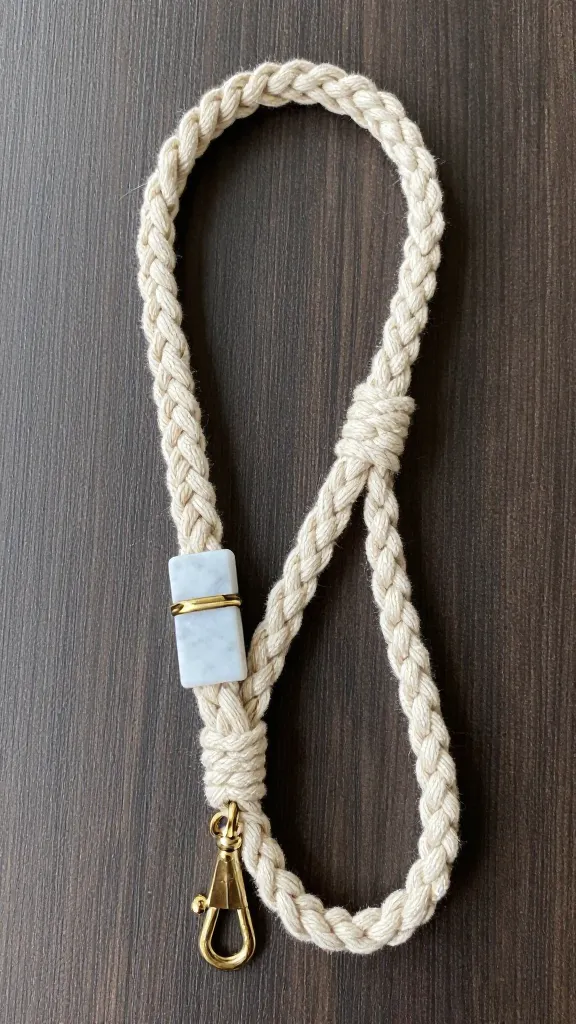
Macrame isn’t just for plant hangers and boho wall art. It gives you a leash that’s strong, grippy, and customizable. You pick the cord, color, length, and hardware, so nothing feels cheap or cookie-cutter.
Plus, the knots add texture you can actually hold. Ever had a thin polyester leash burn your hand? Yeah, no thanks. Macrame solves that with a thicker, cushier handle and a tactile grip your fingers will love.
Choosing the Right Cord and Hardware
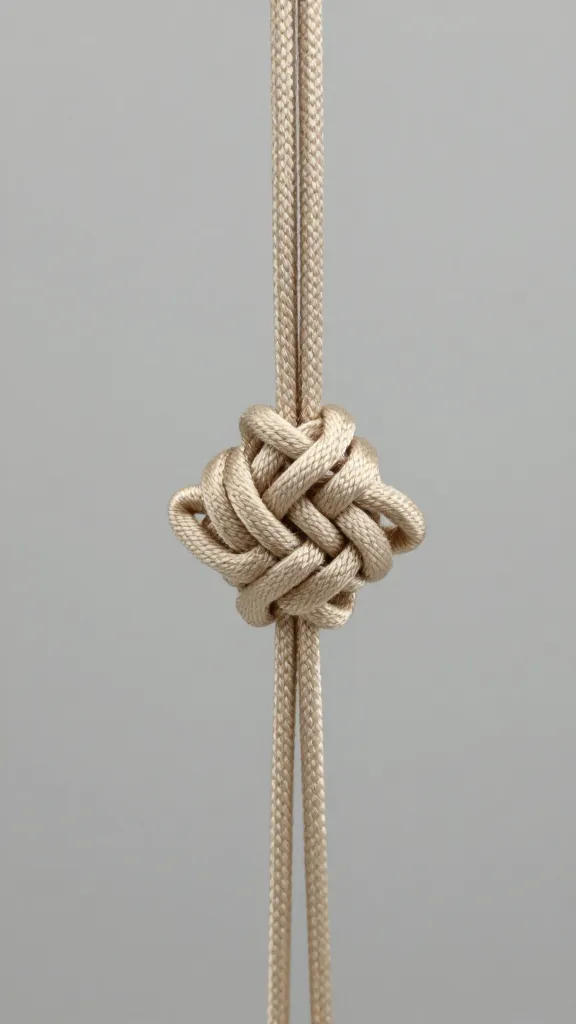
Before you start knotting, choose materials that won’t betray you mid-walk. Safety first, aesthetics second—though we’ll nail both.
Best Cord Types
- Polypropylene macrame cord (5–6 mm): Lightweight, water-resistant, and easy to clean. Great for rainy walks and beach days.
- Cotton rope (6–8 mm): Comfy and soft. It looks luxe, but it absorbs water and dirt. Consider this for everyday, dry-weather use.
- Paracord (550+): Not traditional macrame, but super strong. Blend it with macrame knots for a durable, sporty look.
Hardware You’ll Actually Trust
- Trigger snap or bolt snap: Go for stainless steel or solid brass. Avoid thin, mystery-metal clips that bend like spaghetti.
- D-rings and O-rings: Use for handles, traffic loops, or accessories. Match metal finishes for a polished look.
- Swivels: Reduce leash tangles. Your shoulders will thank you.
Safety Checks
- Weight rating: Make sure the clip can handle your dog’s pulling power. Big dog? Big hardware.
- Knot security: Finish knots tightly. Add a tiny dab of fabric glue on end wraps if needed (FYI: a little goes a long way).
- Edge finishing: Fuse poly cord ends with heat; whip or glue cotton ends to prevent fraying.
Starter Knots You’ll Use on Repeat
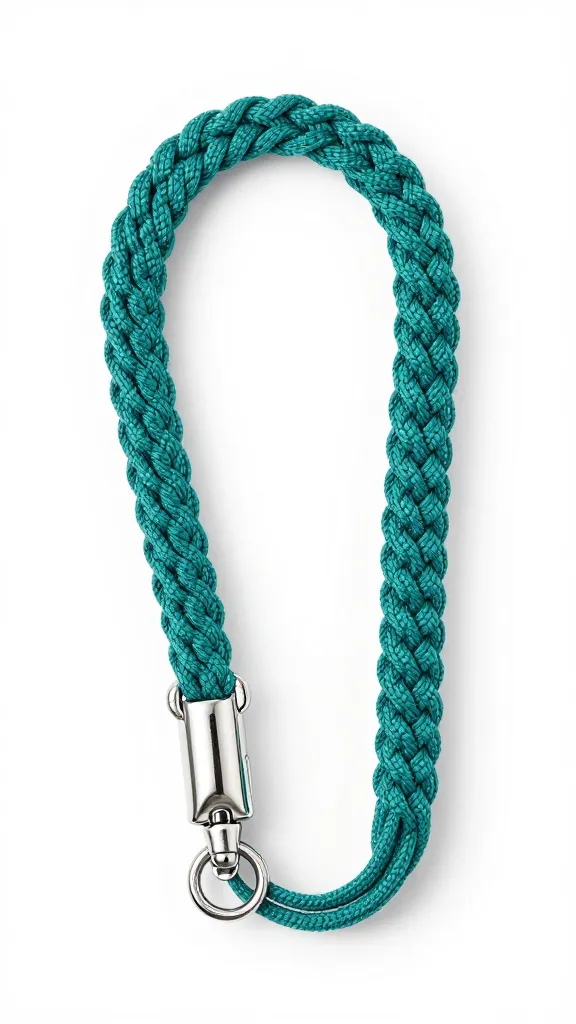
You don’t need to know 50 knots to make a pro-level leash. Master a few and you’re golden.
Lark’s Head (aka Cow Hitch)
Perfect for attaching cord to your clip or starting bar. It keeps everything tidy and even.
Square Knot
The MVP. It creates a firm, flat pattern that works for most leashes and handles. It looks classic and holds shape well.
Half Square Knot (Spiral)
Tie the same side repeatedly and you’ll get a gorgeous spiral texture. It screams “crafty in a good way.”
Half Hitch / Double Half Hitch
Great for decorative lines or solid panels. Use it to add angled patterns or tension where you need it.
Five Macrame Dog Leash Ideas to Try
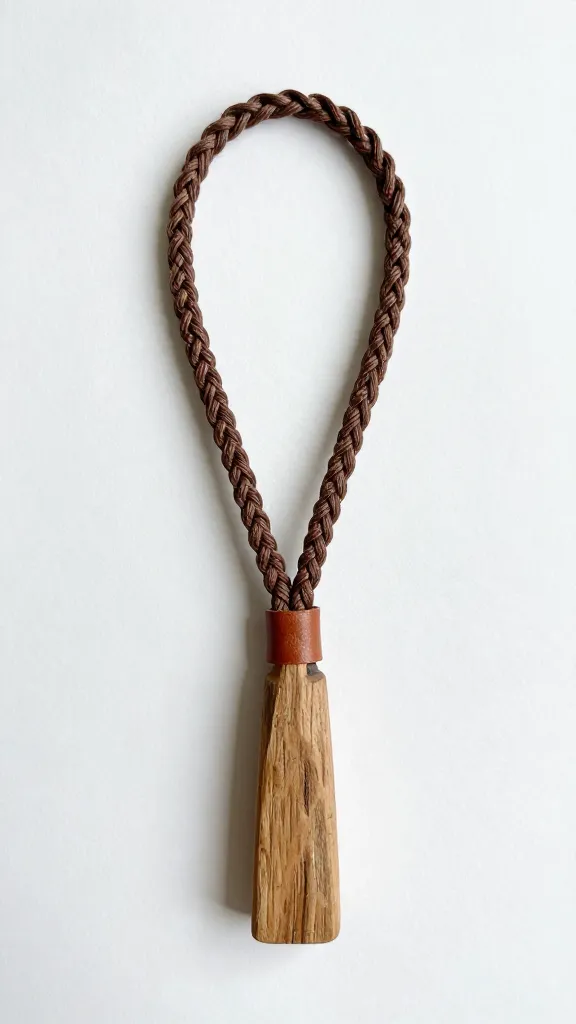
Let’s get into the good stuff. These ideas cover different skill levels and vibes, from sleek and minimal to chunky and bold.
1) The Minimal Square-Knot Classic
- Look: Clean, flat, and timeless.
- Cord: 6 mm cotton or poly, 6–8 strands depending on width.
- How: Start with lark’s heads on the clip, then alternate square knots down the full length. Finish with a wrapped loop for the handle.
- Why it works: Strong, beginner-friendly, and comfy in-hand.
2) Spiral Rope with Accent Wraps
- Look: Twisted, rope-like with fun pops of color.
- Cord: 5–6 mm poly for weather resistance.
- How: Use half square knots to build a spiral. Add contrasting micro-cord wraps at the base, middle, and handle for flair.
- Bonus: The spiral gives great grip without being bulky.
3) Two-Tone Ombre Flat Braid
- Look: Gradient color that subtly fades—chef’s kiss.
- Cord: Two colors of 6 mm cotton; start dark at the clip, fade lighter at the handle.
- How: Alternate square knots with color swaps every 8–10 inches. Hide transitions with tight whipping or decorative wraps.
- Tip: Keep your tension even to maintain an ombre flow.
4) Traffic-Handle Hybrid
- Look: Functional and sleek.
- Cord: 6 mm poly or paracord core with macrame cover.
- How: Add a fixed D-ring and short handle loop about 18 inches from the clip. Use square knots around a paracord core for extra strength.
- Why: Close control in busy areas—no more awkward leash origami.
5) Chunky Adventure Leash
- Look: Bold and rugged.
- Cord: 8 mm cotton or poly, doubled.
- How: Create a four-strand round braid (Portuguese sinnet vibe) or thick square-knot chain. End with a robust brass clip.
- Best for: Medium to large dogs who think squirrels are personal trainers.
Custom Touches That Level Up Your Leash
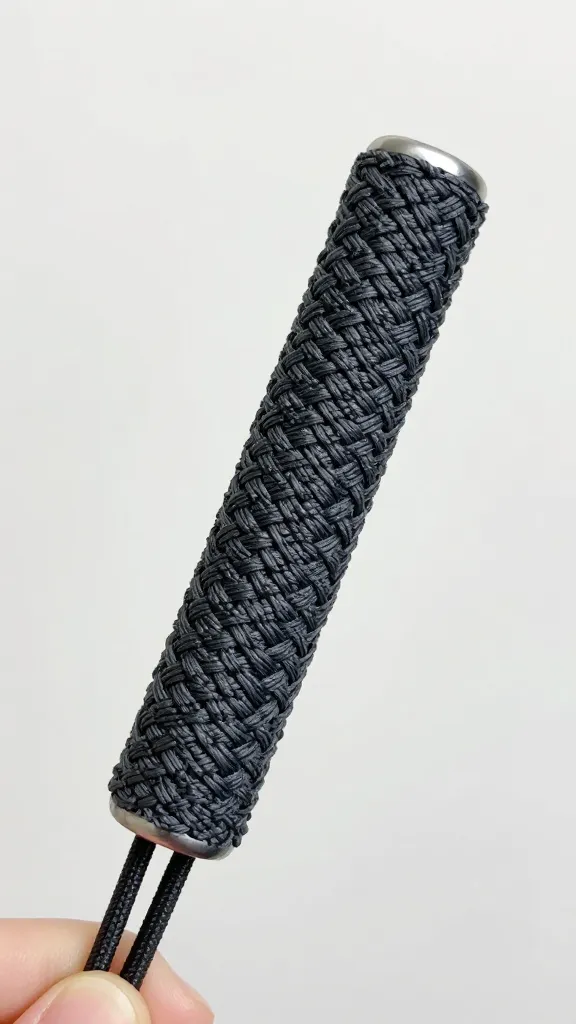
The difference between “nice” and “who made that?!” lives in the details. Add personality without sacrificing function.
Color and Pattern Ideas
- Monochrome neutrals: Beige, oatmeal, or charcoal for a Scandinavian vibe.
- High-contrast duo: Black and mustard, navy and cream—bold but classy.
- Seasonal swaps: Pastels for spring, jewel tones for fall. IMO, emerald always wins.
Finishing Moves
- Leather wraps: A slim strip stitched or glued around joins looks luxe and adds durability.
- Metal beads or sliders: Thread on before you finish; secure with stopper knots.
- Tag ring: Add a tiny O-ring near the handle for poop bag holders or charm tags. Practical and cute.
How Long, How Wide, How Strong?
The right proportions depend on your dog and walking style. You can tweak length, thickness, and core support easily.
- Length: 4–6 feet for daily walks; 8–10 feet for training or relaxed strolls; 3 feet for tight city walking.
- Thickness: 5–6 mm cord suits small/medium dogs; 6–8 mm for medium/large; go chunkier if your dog pulls hard.
- Core strength: For big dogs, run a hidden paracord or climbing accessory cord core through your macrame for extra insurance.
Care, Cleaning, and Safety
Yes, macrame can handle real life. You just need a tiny maintenance plan.
- Cotton: Hand-wash in cool water with mild soap. Air dry flat. Expect slight stretch over time.
- Poly: Rinse off mud, pat dry, done. It shrugs off rain like a champ.
- Hardware check: Inspect snaps and rings monthly. If anything bends or rusts, replace it immediately. No negotiating.
- Fray watch: Trim fuzzies and re-whip ends. If knots loosen, tighten and lock with a subtle dab of fabric glue.
Quick Step-by-Step: Simple Square-Knot Leash
Want a no-fuss pattern? Start here. It’s easy, sturdy, and looks polished.
- Measure: Cut 4 cords at 8x your final leash length (e.g., 32 ft total for a 4 ft leash). Fold each in half.
- Attach: Lark’s head all 8 halves to your snap clip.
- Knot: Work in pairs, tying square knots evenly down the leash. Keep tension consistent.
- Handle: Form a loop at the end (6–8 inches). Wrap the base of the loop tightly with a separate cord to secure.
- Finish: Tidy ends—whip, glue, or fuse depending on material. Give it a solid tug test. Boom. Walk time.
FAQ
Is macrame strong enough for large dogs?
Yes—if you use the right materials and construction. Choose 6–8 mm cord, strong hardware (brass or stainless), and secure knots. For extra confidence, add a paracord core. Always test with controlled pulls before real walks.
What length works best for training?
A 6-foot leash hits the sweet spot for basic obedience: enough slack to reward, short enough to manage. Add a traffic handle for heel work in busy areas. FYI, longer lines (10–15 feet) help with recall practice.
Can I make a washable macrame leash?
Go with polypropylene cord and stainless hardware. Rinse it after muddy adventures and hang dry. Cotton looks gorgeous but takes longer to dry and can stretch slightly when soaked.
How do I stop the leash from twisting?
Use a swivel snap clip and keep your knot tension even. Spiral patterns twist by design, so pair them with a good swivel. If it still winds up, add a second swivel near the handle. Problem solved.
What if my knots loosen over time?
Retighten periodically and lock critical areas with a discreet dab of fabric glue or a tight whipping. Also, check that your cord thickness matches your dog’s strength—too thin equals more slippage and wear.
Any beginner mistakes to avoid?
Don’t skimp on hardware, don’t eyeball measurements, and don’t rush finishing. Measure twice, cut once, and test your leash with short, controlled walks first. IMO, neat end wraps make the whole thing look pro.
Conclusion
Macrame leashes balance style, comfort, and real-world durability. You can build one that fits your dog’s size, your hand, and your aesthetic with a handful of knots and solid hardware. Start simple, add accents as you go, and soon you’ll have a leash that looks boutique-made—minus the boutique price. Ready to flex those knots on your next walk? Your dog’s already at the door.
Ready to upgrade your space? Check out our top picks below — hand-picked options that blend seamlessly into any home while keeping your pup cozy and secure.
As an Amazon Associate, I earn from qualifying purchases.