
This post contains affiliate links. As an Amazon Associate, I earn from qualifying purchases, at no extra cost to you.
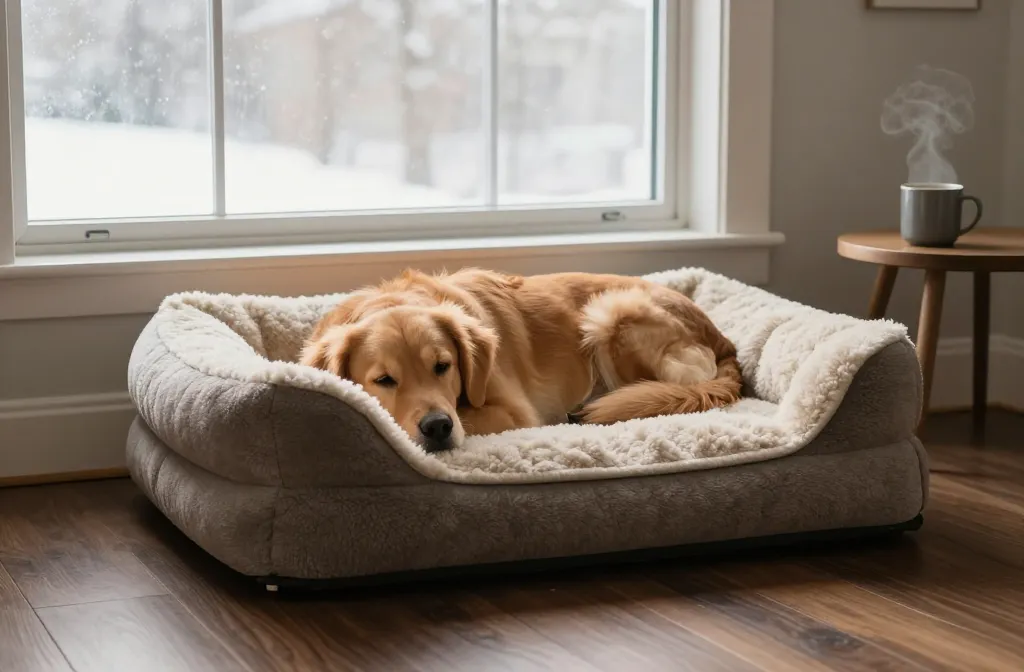
Winter hits, the floors get icy, and suddenly your dog is curled like a cinnamon roll on your pillow. You need a bed that keeps body heat in, drafts out, and actually looks decent in your living room. Let’s cut the fluff and talk about which winter dog beds work, which ones don’t, and how to pick a style that fits your home and your pup’s sleep habits. Ready to reclaim your blankets?
Warmth First: Fabrics and Fills That Matter
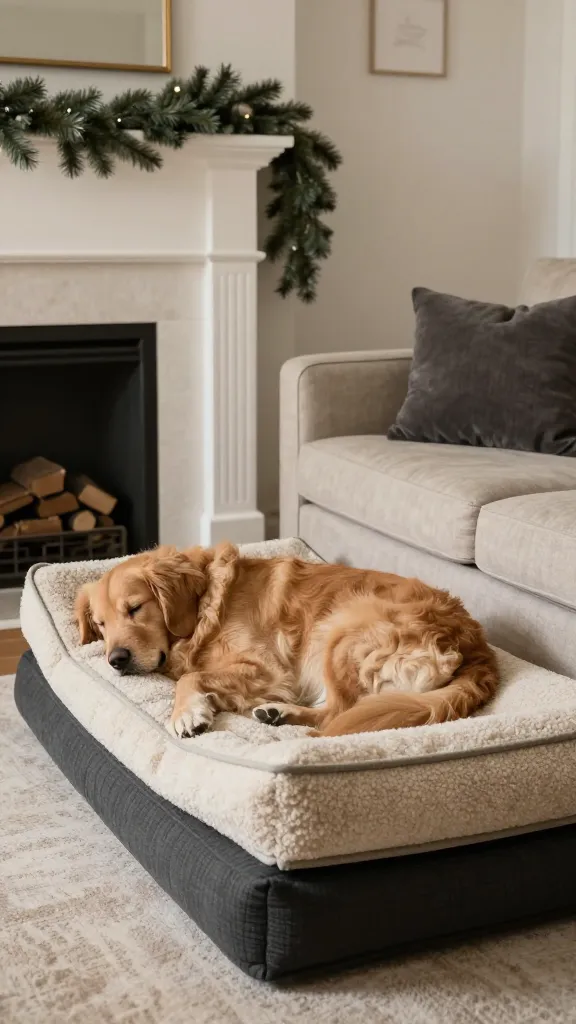
Start with materials. You want textiles that trap heat without turning your dog into a sweaty mess. Look for sherpa, faux shearling, fleece, or thick microfiber on top, and dense foam or high-loft polyfill inside.
- What to look for: Dual-layer construction (support foam + soft topper), upholstery-grade covers, and tight stitching.
- Practical tip: Pinch the bed—if you can feel the floor through it, it won’t insulate on tile or wood.
- Worth it if: Your home has cold floors or you keep the thermostat low.
- I’d skip: Thin poly “pillows” that flatten in a week.
Best for: Most dogs in drafty rooms; great for senior pups that need cushioning.
Memory Foam vs. Polyfill
- Memory foam: Even support, excellent insulation on hard floors; heavier and pricier.
- Polyfill: Plush and nest-friendly; can shift and compress—choose baffled chambers to avoid cold spots.
Bolsters, Donuts, and Caves: Shape Affects Warmth
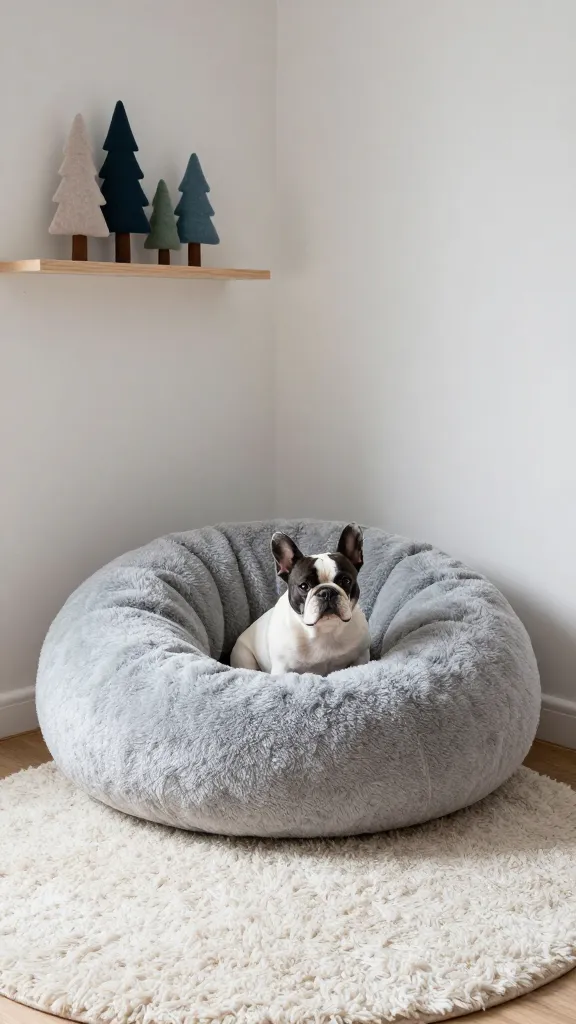
Structure changes everything. Raised edges block breezes and let dogs tuck in and conserve heat. Donut beds encourage curling; bolsters support chins and spines; cave-style hoods trap warmth for burrowers.
- Practical tip: Measure your dog from nose to base of tail when curled, then add 4–6 inches for donut beds; for bolsters, ensure the inner sleep area—not the outer footprint—fits your pup.
- I’d pick: A donut or cave for thin-coated breeds (Whippets, Greyhounds) who shiver easily.
- I’d skip: Flat pads in winter unless they’ll sit on a raised platform or inside a draft-free crate.
Best for: Dogs that curl tight, anxious pups that love “walls,” and rooms with noticeable airflow.
Cave Beds: Burrower’s Delight
- Check: A structured hood or a removable support rod so the entrance doesn’t collapse.
- Safety: Avoid toggle cords or dangling ties—chew hazard.
Heated Options: When to Plug In (and When Not To)
Heated beds can help seniors with arthritis or dogs with scant body fat. You’ll find low-watt electric mats and self-warming options that reflect body heat using a mylar-type layer.
- Practical tip: If you go electric, choose a chew-resistant cord with a protected conduit and a UL-listed low-wattage element. Place it on a level surface away from water bowls and route the cord behind furniture.
- IMO: Self-warming is the safer default for most; electric works for supervised use or nighttime in a controlled area.
- I’d skip: Any heated product for heavy chewers or unsupervised puppies.
Best for: Arthritic seniors, post-op pups, or indoor spaces that dip below 65°F.
Self-Warming vs. Electric
- Self-warming: No cords, mild warmth, great inside crates; look for removable covers for easy washing.
- Electric: Consistent heat; verify auto-regulation to maintain safe surface temps and avoid hot spots.
Size, Height, and Where You Place It
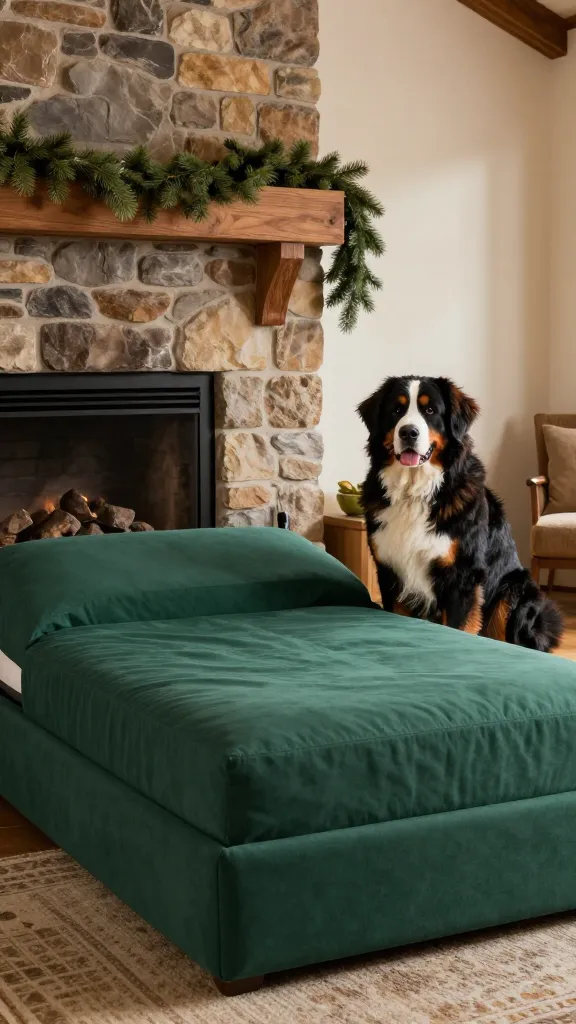
Even the toastiest bed fails if you park it in a wind tunnel. Location matters more than you think.
- Placement: Slide beds away from exterior doors, under-window drafts, and heat vents that can dry noses out. Corner nooks or beside a sofa block airflow.
- Floor type: On tile or concrete, add a non-slip rug pad or raised platform to stop heat loss.
- Height: Low, easy-entry edges help seniors; higher bolsters block cold for snugglers.
Best for: Open-plan living rooms, bedrooms near windows, or basements with chilly floors.
Measure Right (So You Don’t Return It)
- For sprawlers, measure length nose-to-tail and pick a rectangular bed one size up.
- For curlers, focus on inner diameter of a round bed—brands love to list the outer size to make it sound bigger.
Durability and Washability: Winter = Mud Season
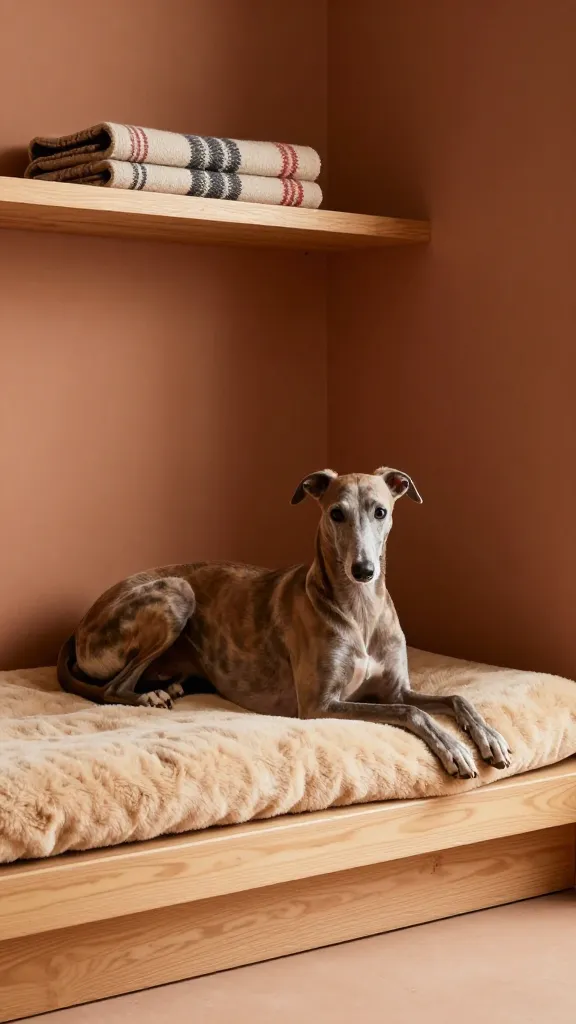
Rain, slush, and salt come for your floors—and your dog’s bed. Choose covers you can actually clean.
- What to look for: Removable zip covers, sturdy zippers with fabric garages, machine-washable and dryer-safe labels.
- Practical tip: Keep two covers on rotation; wash in cold with mild detergent and skip fabric softener to preserve loft.
- I’d pick: Water-resistant bottoms for beds that sit on entryway rugs.
Best for: Multi-dog homes and anyone who hates lingering wet-dog smell (so… everyone).
Chew and Scratch Resistance
- Look for heavier denier fabrics or ripstop on the outer shell.
- Skip decorative buttons or tags—tempting to nibble.
- For determined chewers, pair a tough cover with a crate during downtime; never add loose strings or fringe decor near the bed.
Style That Works With Your Home
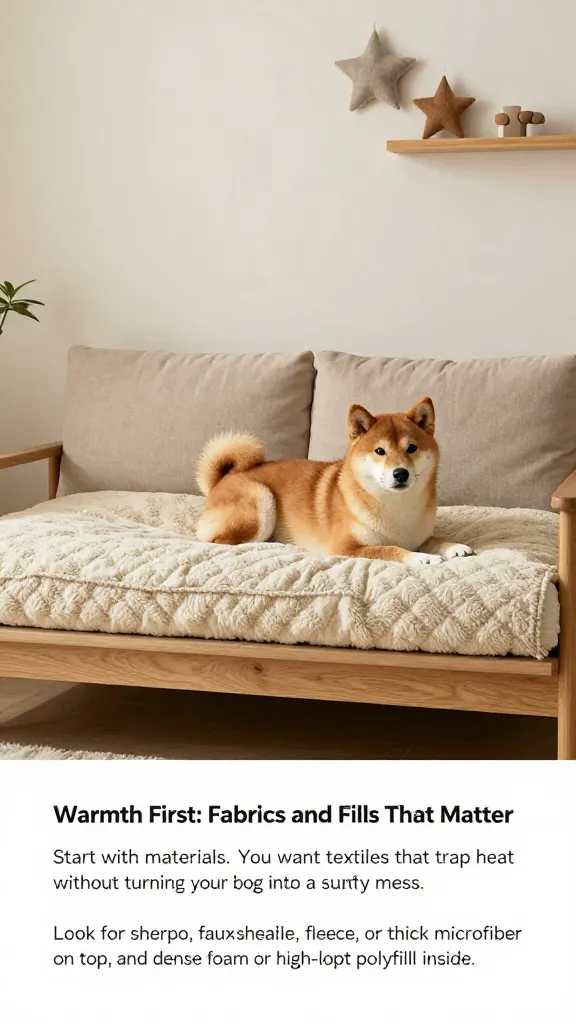
You don’t need to choose between warm and attractive. Plenty of winter-friendly beds look like real furniture, not camping gear.
- Design tips: Pick muted neutrals or textured weaves (think heathered gray or oat) that hide fur. Match bolster shape to your sofa’s arm profile for a cohesive look.
- Practical tip: Place beds on an area rug with a grippy pad to anchor them; sliding beds get abandoned.
- IMO: I’d pick square or rectangle beds for modern rooms; donuts look great in relaxed, cozy spaces.
Best for: Living rooms where the dog bed shares the spotlight with your furniture.
Crate Setups That Stay Warm
- Use a crate mat with foam core and a fitted cover—no loose blankets that can snag.
- Add a breathable crate cover (fabric only, no strings) to block drafts; keep front panel partially open for airflow.
Common Mistake to Avoid
Buying by weight limit alone. Brands love to say “up to 70 lbs,” but a tall, bony dog spreads weight differently than a stocky one.
- Fix it: Check thickness (aim for 3–5 inches foam for medium/large dogs), confirm inner sleep area measurements, and read the density rating if listed (higher density supports joints better).
- Safety note: If your dog chews zippers, choose hidden closures or flip the bed so the zipper faces the wall.
FAQs
Do dogs actually need warmer beds in winter?
Short-haired, seniors, puppies, and lean breeds feel the chill. A bed with insulating materials reduces heat loss, which helps sleep quality and joint comfort. If your dog tucks under blankets or shivers, upgrade.
Are self-warming beds safe?
Yes, they use reflective layers without electricity. They offer mild warmth and work well in crates or on cold floors. Choose models with removable, washable covers and no crinkly noise if your dog startles easily.
How do I clean muddy winter beds without ruining them?
Vacuum first, unzip the cover, wash on cold with mild detergent, and air-dry or tumble low if the label allows. Spot-clean foam with a 50/50 water-vinegar solution and let it air out completely before reassembling.
What’s the safest way to use an electric heated bed?
Pick a UL-listed, low-watt model with a chew-resistant cord. Place it on a flat surface away from water, route the cord behind furniture, and supervise if your dog chews. Avoid for puppies and heavy chewers.
Which bed shape keeps dogs warmest?
Donut and bolster designs trap heat better because the raised sides block drafts. Cave-style beds take it further for burrowers. Flat pads can work if you elevate them off cold floors or tuck them inside a covered crate.
How many beds should I have in winter?
Two works well: one in the family hangout zone and one in the bedroom. Dogs follow people, and consistent use helps regulate body temperature. Keep a spare cover to rotate on laundry day.
Conclusion
Winter comfort comes down to smart materials, the right shape, and strategic placement. Choose insulating fabrics and supportive cores, block drafts with bolsters or a crate cover, and keep it washable because slush happens. If you need extra warmth, go self-warming first and electric only with safety in mind. Pick what fits your dog’s sleep style—and your room’s vibe—and you’ll both sleep better, promise.
As an Amazon Associate, I earn from qualifying purchases.