
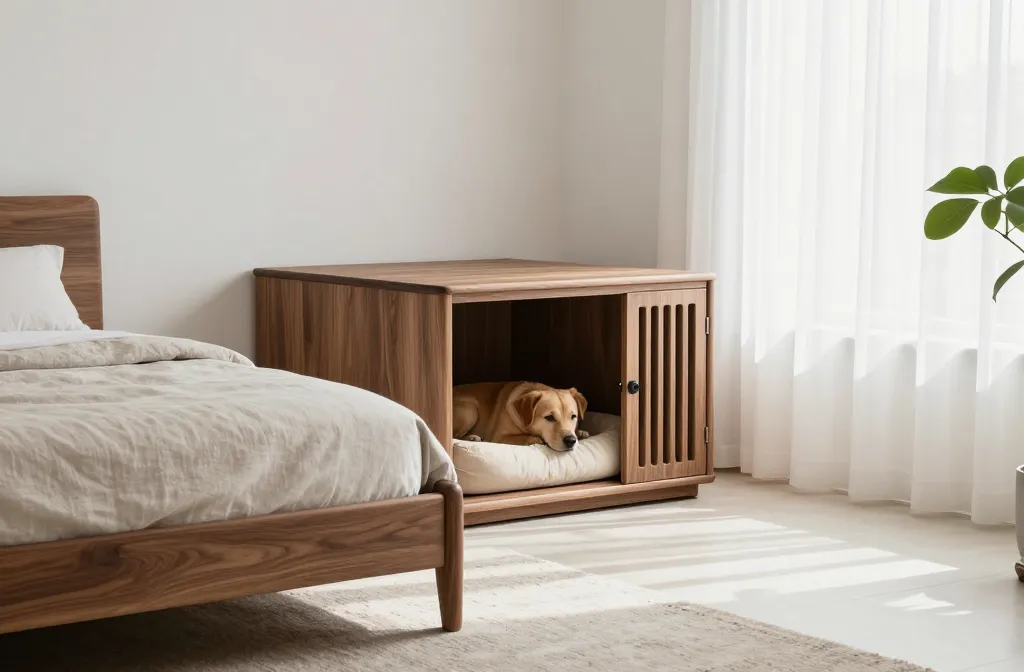
You love your dog. You also love a tidy, stylish bedroom that doesn’t look like a pet store exploded. Enter the bed frame with a dog kennel underneath: a clever, space-saving setup that keeps your pup close and your floor clear. It’s part furniture, part den, and yes—totally real and surprisingly chic. Let’s talk about how to make it work (and avoid the mistakes that make it, uh, not work).
Why Combine a Bed and a Kennel?
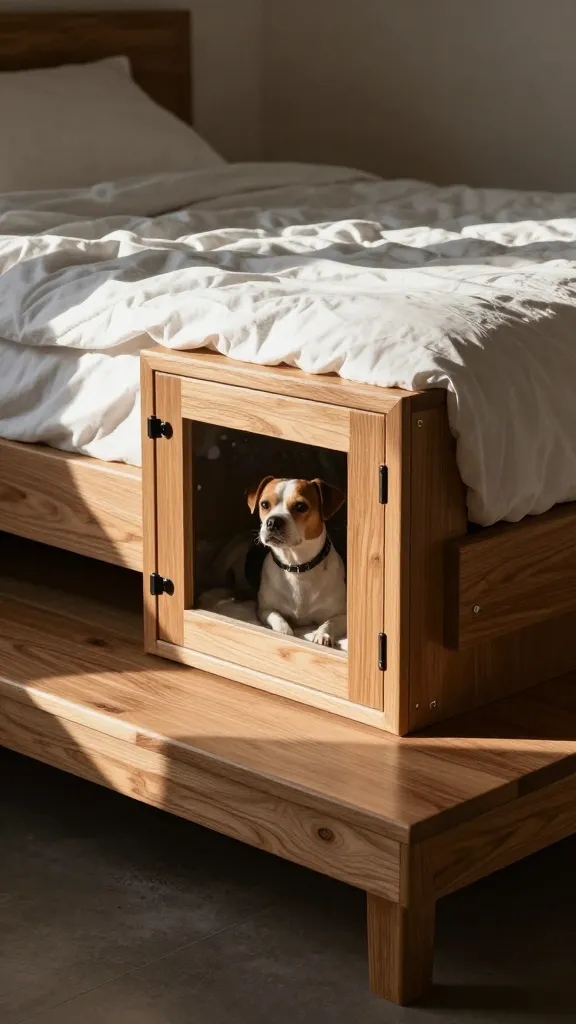
You get the best of both worlds: a cozy den for your dog and a streamlined, decluttered bedroom for you. If your room’s short on square footage, this design frees up floor space without sacrificing comfort. Plus, your dog chills near you at night without hogging the comforter. Win-win.
Biggest perk? Your space finally feels intentional. No random crate jutting into walkways. No tripping over a wire cage at 2 a.m. Just a clean silhouette and a happy snoozer underneath.
How the Design Works

At its core, it’s a platform bed with an integrated or adjacent kennel compartment below. Think of it like built-in under-bed storage, but for a living creature who wags.
Common Configurations
- Side-entry kennel: The dog enters from one long side of the bed. Great for smaller rooms.
- Footboard kennel: Entrance at the end of the bed. Easy access and good airflow.
- Split compartments: Two separate bays for multi-dog households or one extra-spacious den.
- Pull-out crate module: A carriage on wheels that slides out for cleaning. Fancy, but super handy.
Materials That Actually Make Sense
- Solid wood or high-grade plywood: Sturdy and quiet. Fewer squeaks than metal frames.
- Powder-coated steel: Durable and chew-resistant. Good for the enclosure door or grille.
- Ventilated panels: Slatted wood or perforated metal for airflow and visibility.
Safety First (Because We Like Wagging, Not Worrying)

If you remember nothing else, remember this: ventilation and sizing matter more than aesthetics. You want a den, not a shoebox.
Ventilation Checklist
- Openings on at least two sides, preferably three.
- Slats or mesh with smooth edges—no sharp cutouts.
- No stagnant heat pockets; consider a low-profile fan in hot climates.
Right Size for Your Dog
Your dog should stand up, turn around, and lie fully stretched without squishing. FYI, a crate-size baseline helps:
- Small dogs (10–20 lb): 24–30 in long, 18–24 in high.
- Medium dogs (20–50 lb): 30–36 in long, 24–27 in high.
- Large dogs (50–90 lb): 36–42 in long, 27–31 in high.
- XL breeds (90+ lb): 42–48 in long, 31–35 in high.
IMO, when in doubt, size up. Cramped = cranky.
Door Safety
- Latch: Use a secure, one-hand latch. No fiddly hooks your dog can paw open.
- Hinge direction: Outward swing or pocket sliders. Avoid inward swings—awkward and unsafe.
- Bar spacing: Small enough to prevent snouts and paws from wedging.
Comfort: Make It a Real Den, Not a Dungeon
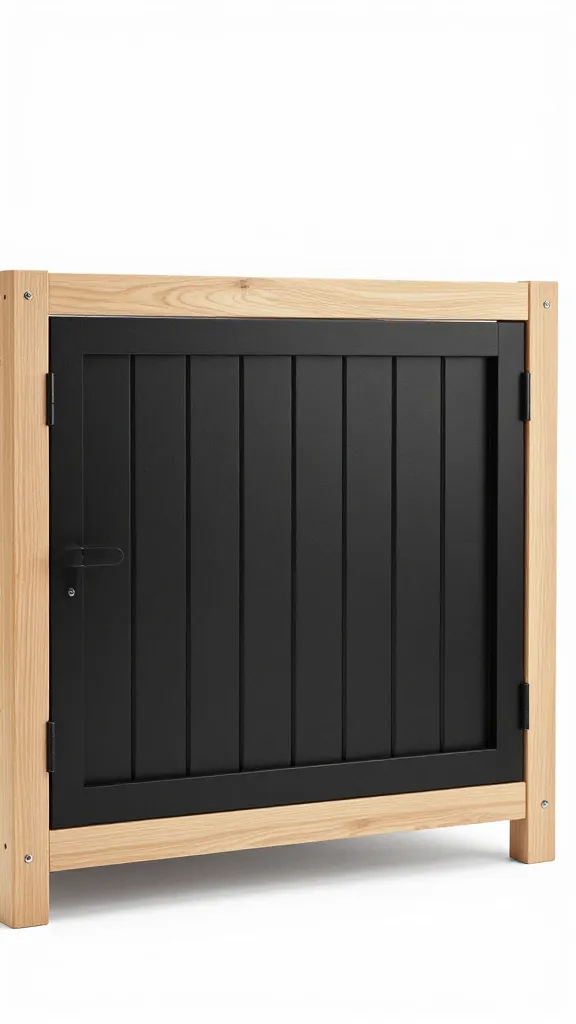
Dogs love cozy spaces—but not if they’re cold, hard, or too bright. You can dial in comfort with a few simple tweaks.
Bedding and Flooring
- Orthopedic cushion: Memory foam with a washable cover. Don’t skimp on thickness.
- Moisture barrier: Waterproof liner under the bed to protect the wood.
- Non-slip base: Keep the pad from sliding when your dog does zoomies-in-place.
Lighting and Sound
- Ambient lighting only: No direct bulbs glaring into the kennel.
- Sound-dampening panels: Felt or cork inside the side walls to soften noises.
- Curtain option: A breathable fabric curtain can add privacy if your dog likes darkness.
Style That Doesn’t Scream “Dog Crate”
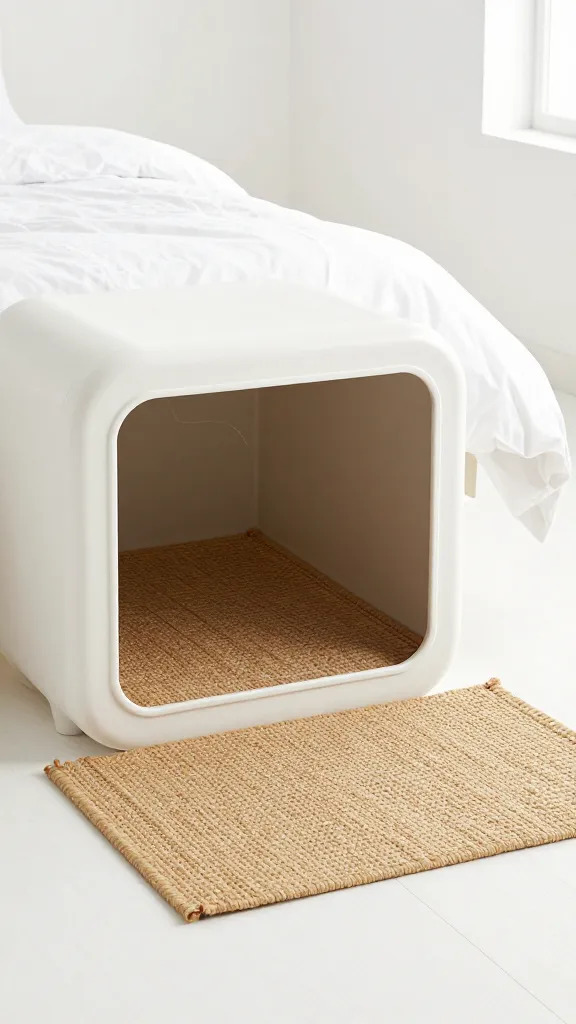
You can keep your vibe intact—Scandi chic, farmhouse cozy, modern industrial—whatever your Pinterest board demands.
- Match your finishes: Stain or paint the frame to sync with your nightstands or dresser.
- Upgrade the grille: Choose matte black metal, cane rattan (with protective screen), or slatted oak.
- Hide the seams: Recessed hardware and flush doors look custom and high-end.
- Add soft edges: Rounded corners make it feel more “furniture,” less “equipment.”
DIY vs. Buy: What’s Better?
Short answer: depends on your tools, time, and tolerance for sawdust. Here’s the breakout.
DIY Pros
- Custom fit: Tailor to your room and your dog’s size.
- Material control: Choose solid wood and serious hardware.
- Cost savings: Often cheaper than premium ready-made options.
DIY Cons
- Precision required: Doors must align perfectly. Wobbly builds rattle. You’ll hate that.
- Time sink: Expect a few weekends, not one afternoon.
- Tools: You’ll want a pocket-hole jig, clamps, and a sander at minimum.
Buying Ready-Made
- Pros: Clean finish, tested stability, faster setup.
- Cons: Pricey for larger sizes, limited sizes/styles, sometimes mediocre ventilation.
Smart Features Worth Adding
If you like the “ooh, that’s clever” factor, these upgrades deliver.
- Slide-out tray: For easy cleaning under the cushion.
- Integrated power strip: Hide lamp and charger cords; keep wires out of reach.
- Motion night light: A low glow when your dog moves—nice for midnight water runs.
- Removable panels: Pop-off sides make deep cleans way easier.
- Chew guards: Metal edge banding on common nibble zones. FYI, teething pups will test you.
Training Tips So Your Dog Actually Likes It
You built a dreamy den. Now convince your dog it’s not a trap.
Make It Positive
- Toss treats inside and praise when they explore.
- Feed meals in the kennel for good vibes.
- Start with the door open; close it briefly once your dog relaxes.
Set a Routine
- Use a cue word like “den” or “home.”
- Short, calm sessions beat one long stressful one.
- Never use it for punishment. Ever.
FAQs
Will my dog feel trapped under the bed?
Not if you size it right and provide airflow. Many dogs love den-like spaces because they feel safe and cozy. Keep doors open during the day, and create positive associations with treats and meals.
Is it safe for large breeds?
Yes—if you build it beefy. Use thick lumber or robust metal, reinforce center supports, and ensure the mattress weight plus your weight doesn’t flex onto the kennel roof. Large breeds also need extra height and bigger doorways.
How do I keep it from smelling?
Use a waterproof liner, washable bed covers, and a slide-out tray for quick cleaning. Air it out weekly and toss in a charcoal odor absorber. Regular grooming helps too—IMO, clean dog = clean den.
What if my dog chews everything?
Go metal for the grille and add chew guards to edges. Provide appropriate chew toys in the kennel. If chewing seems anxiety-driven, slow the training and keep sessions short and happy.
Can I convert my existing bed frame?
Possibly. Platform beds with open space beneath work best. You’ll need to add a secure enclosure with proper bracing and confirm the bed slats or deck won’t flex dangerously over the kennel.
Will it look bulky in a small room?
Not if you keep lines clean and finishes light. A footboard-entry design with slatted panels often looks airy. Elevate with tapered legs and keep clutter off the sides so it reads sleek, not heavy.
Final Thoughts
A bed frame with a dog kennel underneath pairs function with legit style—and brings your pup close without sacrificing your space. Focus on ventilation, sizing, and sturdy materials, then layer in comfort and a look you love. Add a dash of smart features, train with patience, and you’ll both sleep better. Your bedroom stays tidy, your dog gets a cozy den, and your shins stop meeting wire crates in the dark. IMO, that’s a serious upgrade.
Ready to upgrade your space? Check out our top picks below — hand-picked options that blend seamlessly into any home while keeping your pup cozy and secure.
As an Amazon Associate, I earn from qualifying purchases.