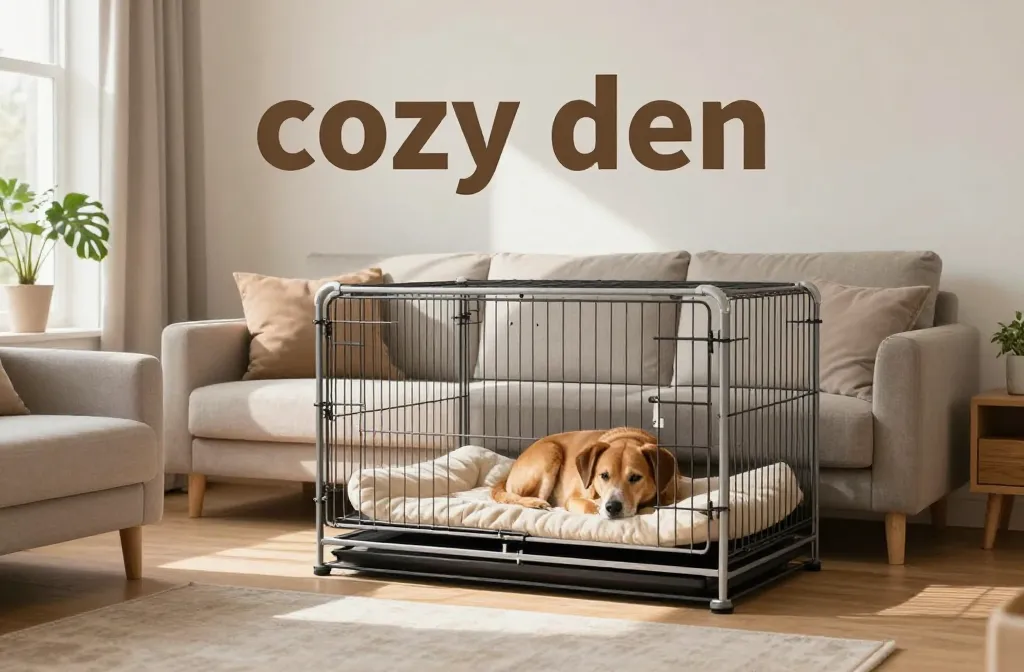
You brought home a crate, but now you’re staring at your living room like it’s a floor plan puzzle from a home makeover show. Where does this thing go so your dog actually uses it—and it doesn’t wreck your vibe? Good news: you’ve got options. Great ones. And with a little strategy, your dog’s crate can feel like a cozy den instead of a weird wire box in the middle of everything.
Start with the Den Mentality
Dogs love small, safe spaces. Think “comfy cave,” not “time-out corner.” So pick a spot that feels secure and predictable. Your dog should be able to nap without jump scares every five minutes.
What that looks like:
- Near family life, but not in the center of chaos
- A wall or corner behind it for that snug, den-like feel
- Soft lighting instead of that interrogation-lamp energy
Check the Vibe Meter
Ask yourself: Is this spot calm, consistent, and not drafty? If your answer includes “right next to the subwoofer,” hard pass. Noise, heat vents, and constant foot traffic can turn a crate into a stress box.
Living Room: The Social Sweet Spot
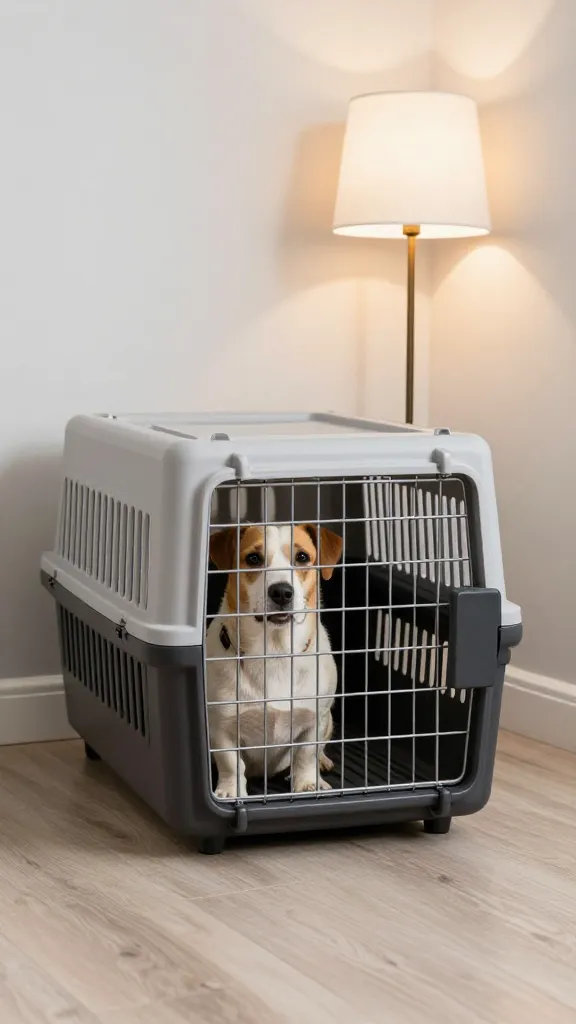
The living room usually wins because dogs love being near their people. But don’t park the crate in the middle of the room like it’s a coffee table audition.
Best placements:
- Against a wall or behind a sofa for a tucked-away feel
- Beside a console or under a wide side table
- In a corner with a crate cover (or a light throw) for coziness
Make It Look Intentional
– Add a plant (not toxic, FYI) or a framed photo above it to style the area.
– Use a wooden furniture-style crate if you want it to double as an end table.
– Keep a small basket of toys nearby so it feels like a hangout, not a holding cell.
Bedroom: Nighttime Zen Zone
If your dog struggles with nighttime FOMO, the bedroom can be a game-changer. You get better sleep, your dog settles faster, and everyone wakes up less cranky. Win-win.
Where exactly?
- Beside your bed for easy reassurance and potty-break logistics
- At the foot of the bed if you need more space
- In a walk-in closet with the door open for sound dampening (only if it’s well-ventilated)
Puppy Tip
For new puppies, the bedroom is IMO the best starter location. You’ll hear them stir, which helps with nighttime potty training. Move the crate gradually later if you want it elsewhere.
Kitchen or Dining Area: Practical, But Choose Wisely
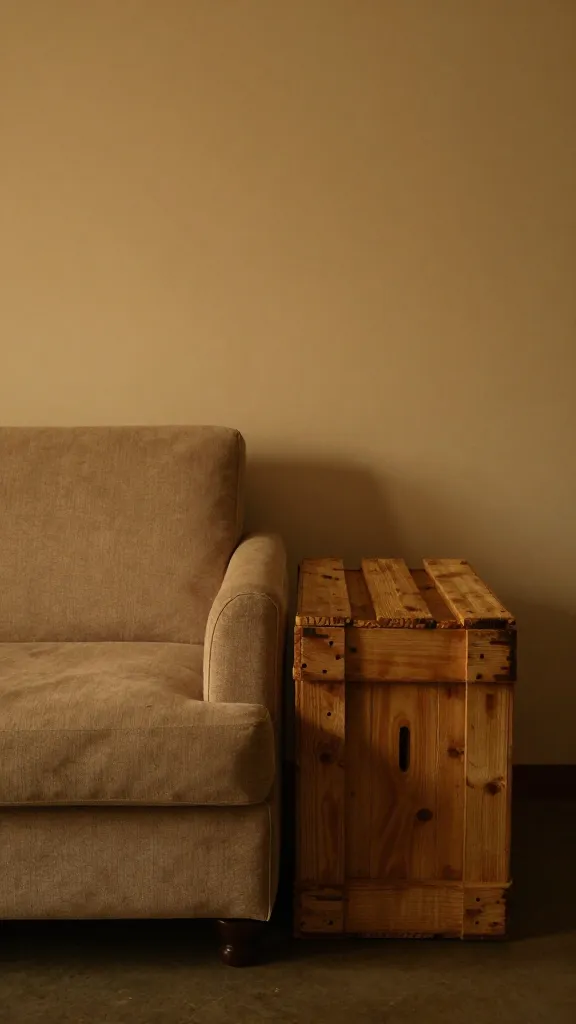
Kitchens work for some households because they’re central and easy to clean. But they also scream “noise and smells.” If you meal-prep like a Food Network champ, your dog may whine on loop.
Make it work:
- Place the crate away from ovens, dishwashers, and slamming cabinets
- Avoid direct sunlight hotspots—nobody likes roasting
- Keep cords, trash, and snacks out of reach—temptation is the enemy
Home Office: Best for Velcro Dogs
Work-from-home and have a shadow who follows you everywhere? Put the crate in your office. Your dog chills while you Zoom, and you avoid the puppy-eyes guilt spiral.
Pro moves:
- Crate behind your desk or off to the side for minimal distraction
- White noise or soft music to muffle delivery-driver chaos
- Rotate a chew or puzzle toy during long meetings
Boundaries Matter
If your dog protests every time you mute yourself, practice short crate sessions while you’re there. Build duration slowly. You’re training calm, not creating a hype machine.
Entryways and Hallways: Proceed With Caution
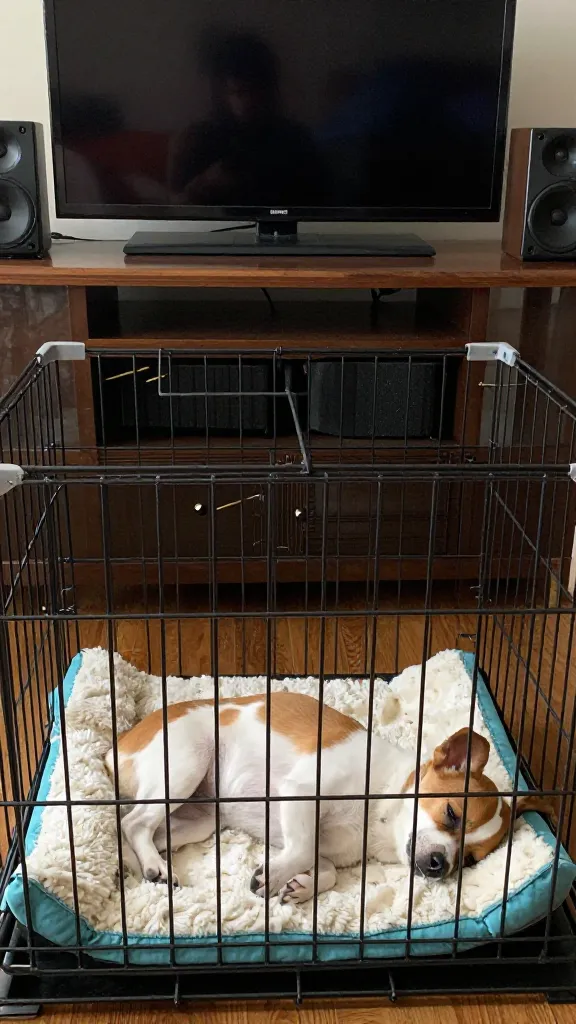
High-traffic zones can feel exciting at first, then exhausting fast. Hallways multiply noise, and entryways bring drafts. Also: doorbells. Enough said.
Only consider these if:
- The area stays quiet most of the day
- You can shield the crate from line-of-sight to the front door
- You add a mat underneath to reduce vibration and noise
Basements, Garages, and Laundry Rooms: Usually a No
They often feel isolating, echoey, and temperature-iffy. Laundry machines thump. Garages fluctuate from sauna to freezer. Basements get musty. Your dog deserves better.
If you must use one:
- Ensure stable temps and good ventilation
- Sound-dampen with rugs and soft furnishings
- Visit often so your dog doesn’t feel exiled
Match the Crate to the Space (and the Dog)
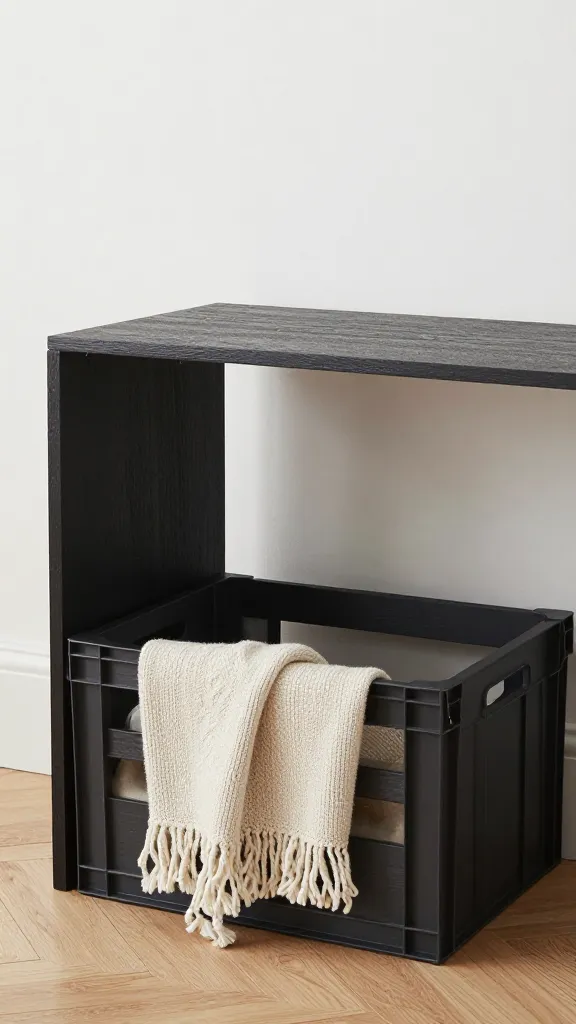
The right location depends on your dog’s personality as much as your floor plan. Nervous dogs need quieter spots. Social butterflies want proximity.
Consider:
- Size: The crate should feel snug but allow standing, turning, and stretching
- Type: Wire for airflow and visibility; plastic for cozy den vibes; furniture-style for aesthetics
- Cover: Use a breathable cover for calm, but keep at least one open side
- Flooring: Add a non-slip mat under the crate to protect floors and reduce rattling
Comfort Kit Checklist
– Washable bed or mat (make it Goldilocks: not too fluffy for chewers)
– One safe chew or stuffed Kong for positive associations
– A familiar-smelling blanket or T-shirt
– Water bowl only if your dog won’t flip it for sport—try a no-spill option
Light, Sound, and Climate: The Unsung Heroes
You could pick the cutest corner, but if the HVAC blasts your dog every 10 minutes, they’ll hate it. Think like a hotel manager for a VIP guest. Because, well, they are.
Check these boxes:
- Soft light or indirect daylight—no harsh glare
- Moderate temperature—avoid vents, radiators, and direct sun
- Calm soundscape—distance from TVs and speakers
- Predictability—no surprise foot traffic or slamming doors
Make the Crate a Destination, Not a Detention Center
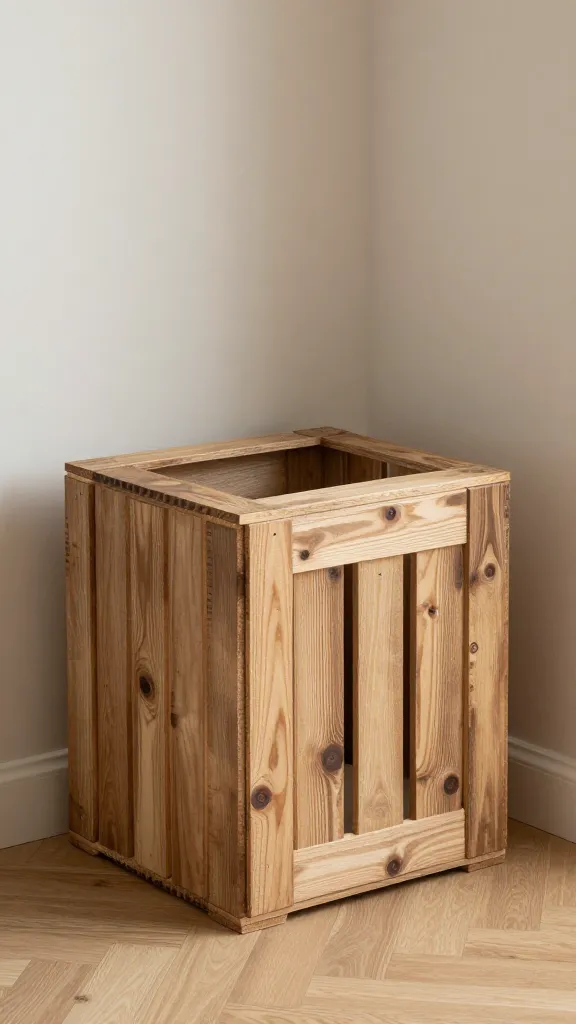
Placement matters, but your dog’s feelings about the crate matter more. Pair the spot with good stuff so your dog trots in like, “My suite? Right this way.”
Do this:
- Feed meals inside the crate for a week or two
- Toss treats in randomly so it’s a treasure chest
- Use a cue like “bed” and reward calm hangs
- Close the door in tiny increments, then build time gradually
Avoid this:
- Using the crate only when you leave or when your dog misbehaves
- Marathon crate sessions without breaks (age-appropriate limits matter)
- Dragging the crate around every day—consistency = security
FAQs
Should I put the crate in my bedroom or living room?
If your dog is new, anxious, or a puppy, the bedroom usually works best at first. You can move it to the living room once your dog feels settled. If your dog chills easily, the living room is great from day one.
Can I move the crate around during the day?
You can, but don’t turn it into a traveling circus. If you want a day spot and a night spot, consider two crates. IMO, consistency helps most dogs relax faster.
Is it okay to cover the crate?
Yes—partially. A breathable cover can create a cozy den effect. Keep at least one side open for airflow and visibility, and watch your dog’s body language to make sure they’re comfy.
What if my dog cries in the crate?
Start smaller. Short sessions with high-value chews, then build duration. Make sure the location isn’t too loud, bright, or drafty. And meet their needs first: potty, exercise, and mental work before crate time.
Can I put the crate near a window?
Sometimes. Calm views can soothe, but street-facing windows often mean bark-a-palooza. If your dog patrols like a tiny security guard, move the crate away or use curtains.
How big should the crate be?
Your dog should stand up, turn around, and lie down comfortably—no ballroom dancing required. For puppies, use a divider so the space isn’t too large (prevents potty accidents, FYI).
Conclusion
Your crate’s perfect spot blends comfort for your dog and sanity for you. Aim for close-but-cozy, away from chaos, and styled so it doesn’t scream “kennel.” Then make it a happy place with meals, treats, and calm routines. Do that, and your dog will choose it on their own—no sales pitch required.
Ready to upgrade your space? Check out our top picks below — hand-picked options that blend seamlessly into any home while keeping your pup cozy and secure.
As an Amazon Associate, I earn from qualifying purchases.