This post contains affiliate links. As an Amazon Associate, I earn from qualifying purchases, at no extra cost to you.
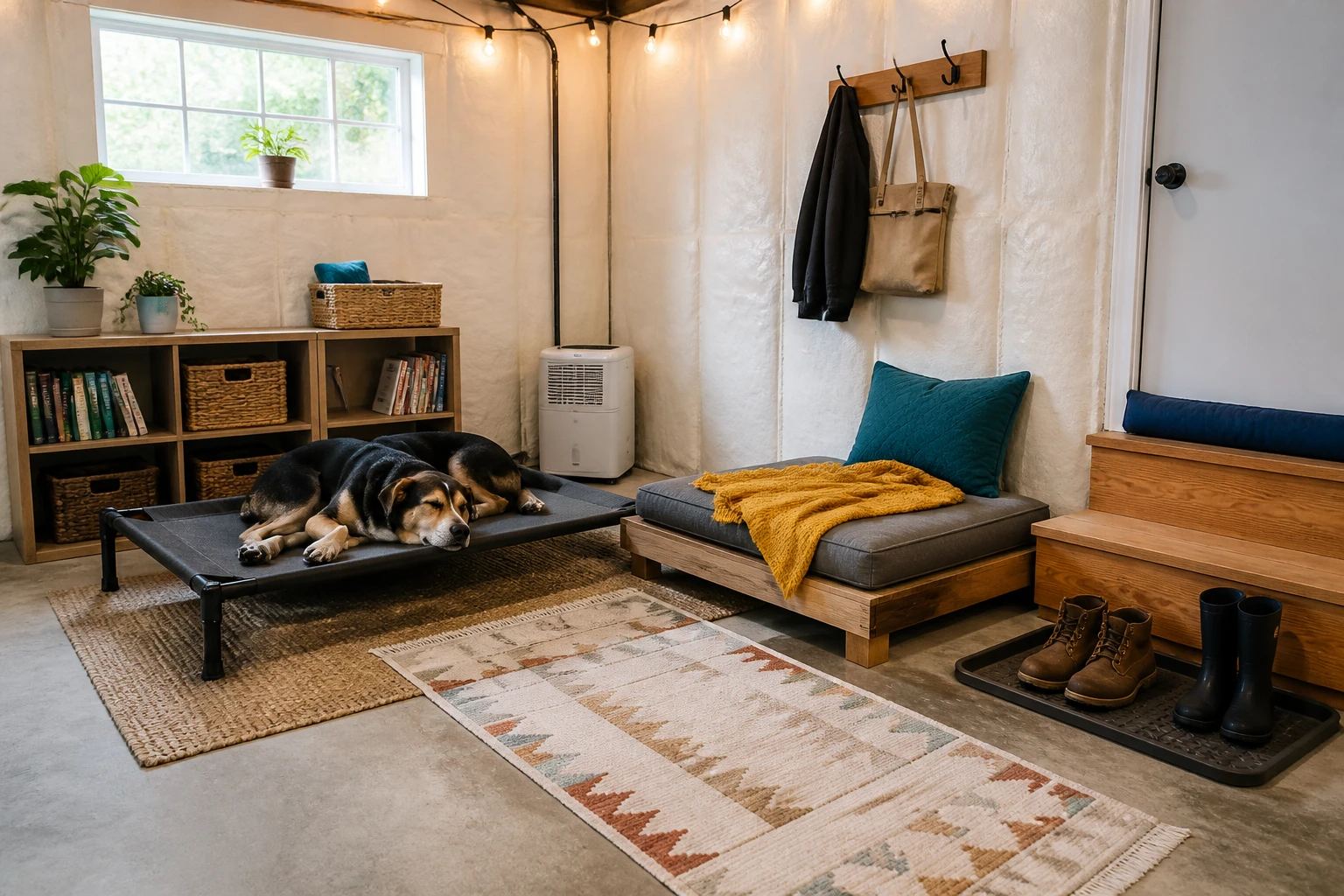
Basements run chilly, echoey, and a bit damp—basically the opposite of a snug nap spot for your dog. The good news: with a few smart upgrades, you can turn that cool corner into the comfiest den in the house. These 7 ideas focus on warmth from the ground up, safe materials, and layouts that feel secure. Your dog gets comfort, you get a cleaner-looking space—win-win.
⭐ Our Top Pick: See it on Amazon
1. Build a Raised Platform Bed to Beat the Cold Floor
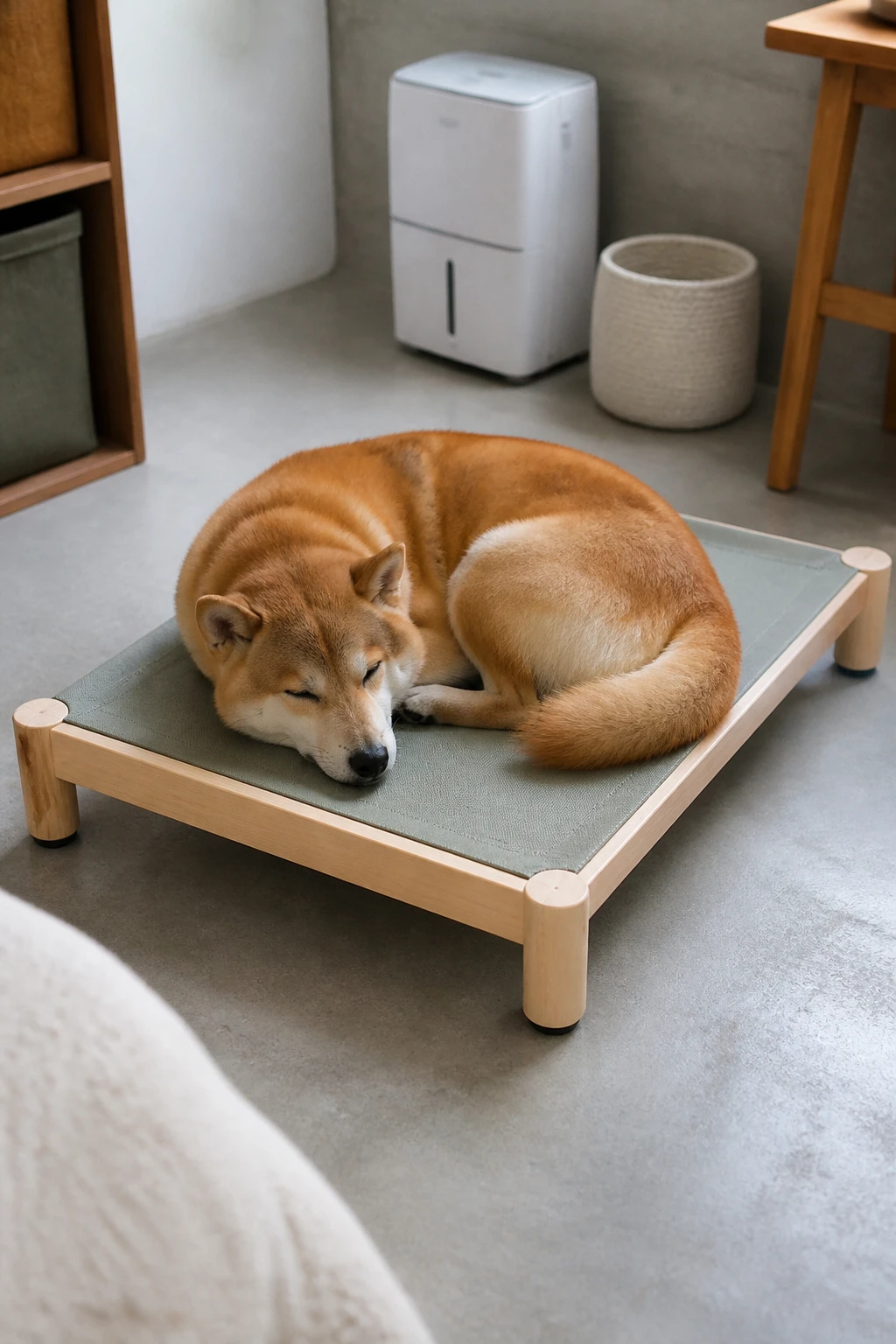
Concrete steals heat fast. Lifting your dog off the slab helps more than any blanket ever will. A raised platform also keeps bedding away from minor moisture and improves airflow so everything dries out between naps.
Materials
- Wood frame (sealed pine or plywood with rounded edges)
- Breathable cot-style fabric or a firm orthopedic cushion
- Non-slip furniture pads for the feet
- Water-based polyurethane for sealing (low-VOC)
Build or buy a cot-style frame that sits 3–6 inches off the ground. If you DIY, sand corners smooth and use pocket screws so there’s nothing to snag. Add a tight fabric sling or set an orthopedic pad on top, then secure it with corner straps so curious chewers can’t flip it.
Tips
- Place a washable rug under the bed to trap cold and add grip.
- Seal any raw wood to resist basement humidity.
- Skip metal mesh—it gets chilly and can pinch paws.
Best for: Dogs who run warm, basements with occasional dampness, households that want easy cleaning. I’d pick this first for heavy shedders and medium to large breeds.
2. Create a Draft-Free Nook With Insulating Panels
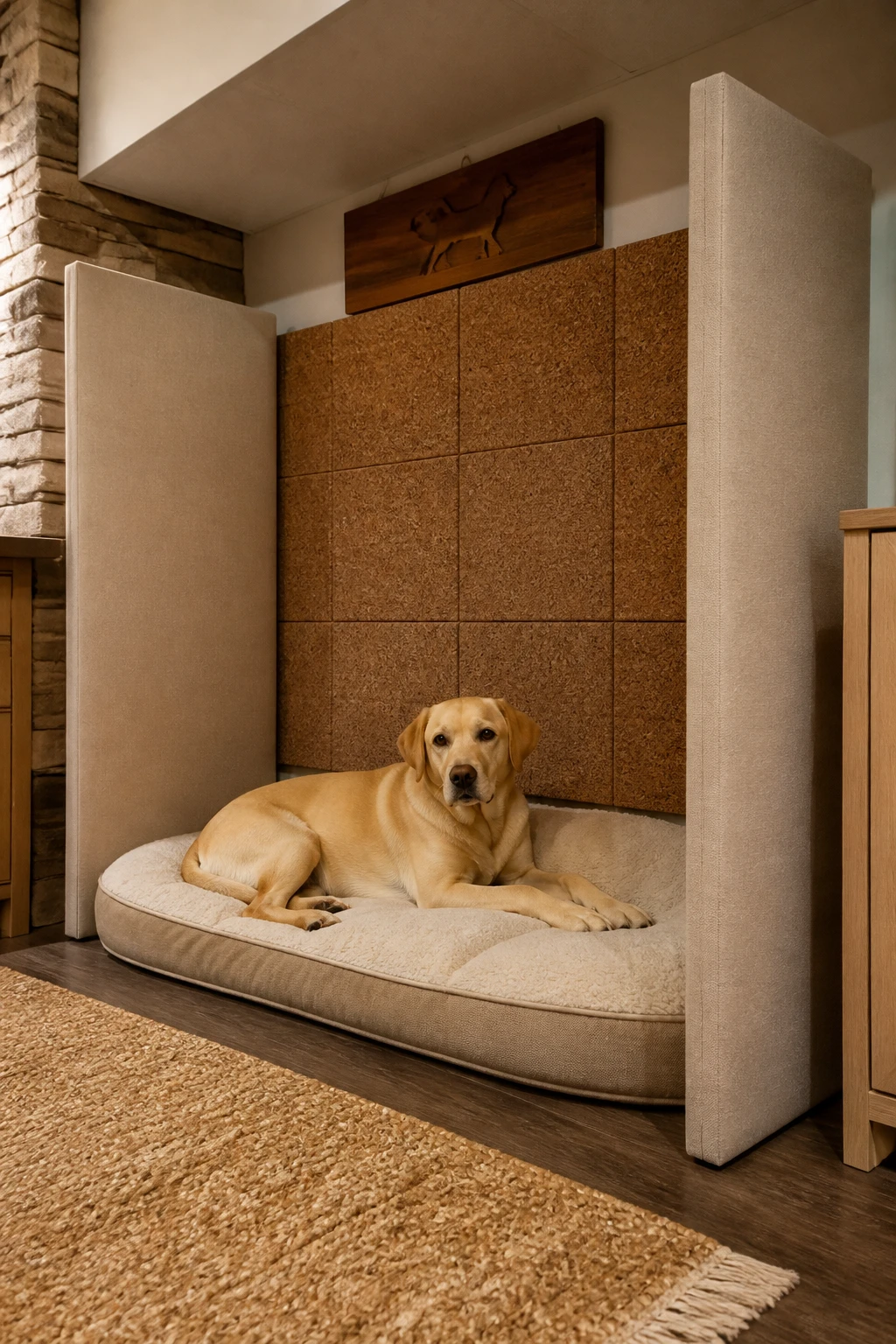
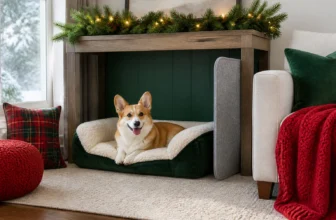
Even the toastiest bed loses its magic if cold air swirls around it. Carve out a semi-enclosed corner that blocks drafts and deadens sound. Think of it as a mini room-within-a-room your dog can claim.
How to Set It Up
- Choose a corner away from exterior doors and open vents.
- Use freestanding room dividers or DIY panels made from MDF wrapped in thick upholstery fabric.
- Add peel-and-stick cork or acoustic felt tiles on the wall behind the bed for extra warmth and noise control.
Mount panels with Command strips or freestanding feet to avoid drilling into foundation walls. Keep the “door” side wide so your dog never feels trapped. Add a washable area rug that extends 12–18 inches beyond the bed’s footprint for a cozy landing zone.
Why It Works
- Reduces cold drafts from stairwells and vents
- Muffles basement echoes that can stress skittish pups
- Makes your layout look intentional, not like random pet clutter
Best for: Nervous dogs who like den-like spaces, basements with annoying airflow. Worth it if your dog paces instead of settling.
3. Layer an Orthopedic Mattress With a Thermal Topper
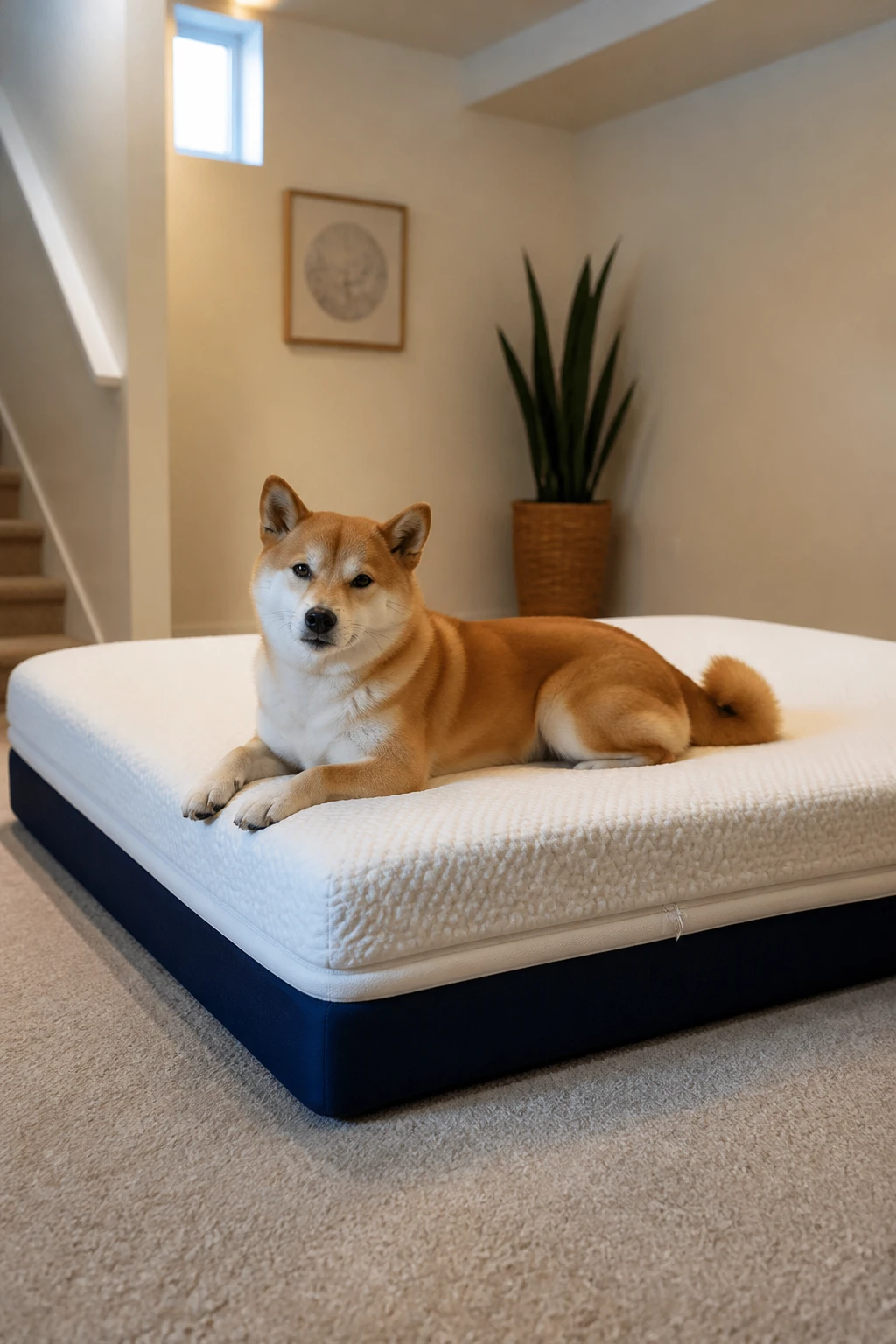
Spinal support matters on hard floors. Pairing a firm foam base with a heat-reflective topper traps body warmth without electricity. Your dog gets joint relief and steady warmth in one tidy package.
Key Layers
- Base: 4–6 inches of high-density or memory foam in a washable zip cover
- Middle: Moisture barrier liner to protect the foam
- Top: Self-warming faux-shearling pad with reflective film or insulated batting
Look for covers with hidden zippers and strong seams. Choose textured fabric or microsuede so blankets don’t slide off. If you add a blanket, tuck it under the mattress edges to keep diligent nesters from unmaking the bed every twelve seconds (we see you, terriers).
Care Tips
- Air out foam monthly to prevent musty smells.
- Wash toppers weekly in cold water and line dry to preserve loft.
- Rotate the mattress every few weeks to prevent sagging spots.
Best for: Seniors, big breeds, and any dog recovering from activity. I’d skip this alone for pups who chew through zippers—add a chew-resistant cover if that’s your life.
4. Combine a Crate With a Built-In Insulated “Cabinet” Look
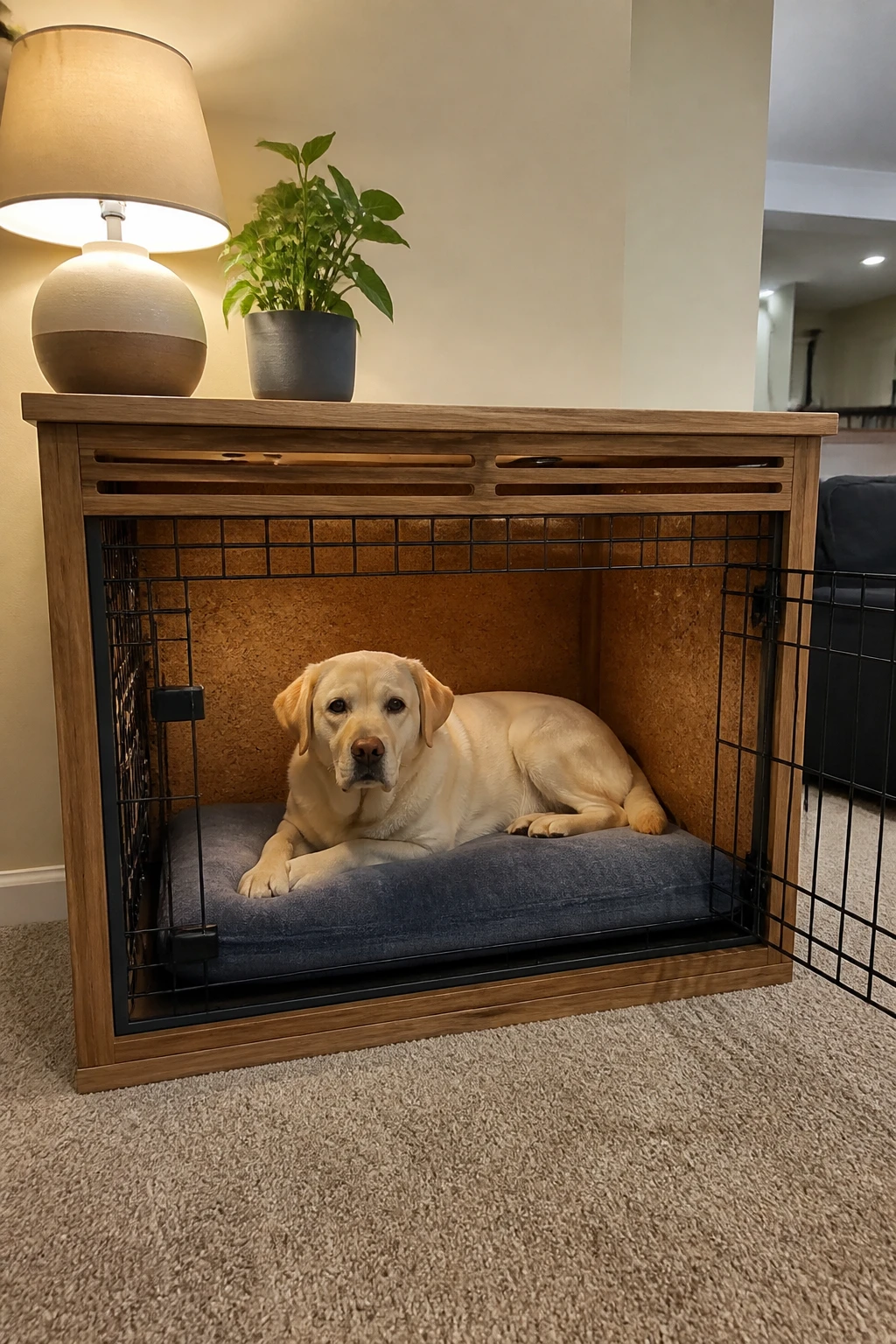
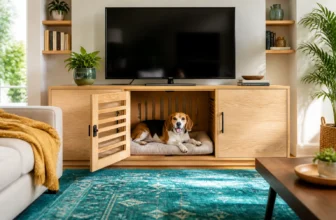
Crates can look clunky in a finished basement. Slide a sturdy wire or furniture-style crate into a ventilated cabinet enclosure to add insulation, style, and security. The dog still sees out, but drafts stay out too.
Design Notes
- Use a credenza-style shell with back and side panels lined in cork or closed-cell foam.
- Leave at least 2 inches of space around the crate for airflow.
- Replace the crate’s plastic pan with a rubber mat and a dense cushion for grip and support.
Attach magnetic stops so doors stay closed without latches your dog can paw open. Avoid fabric drapes inside the crate—keep textiles outside or on top. Add felt sliders under the cabinet feet to lift off the floor slightly and prevent cold transfer.
Safety First
- Skip electric lights inside or on the crate.
- Keep decor on top lightweight and shatterproof.
- Check that no foam lining is exposed to curious teeth.
Best for: Dogs already crate-trained, design-focused spaces, households that want tidy lines. Worth it if you want a furniture piece that doubles as storage on top.
5. Set a Warm Base: Rug Pad + Washable Rug + Bed Stack
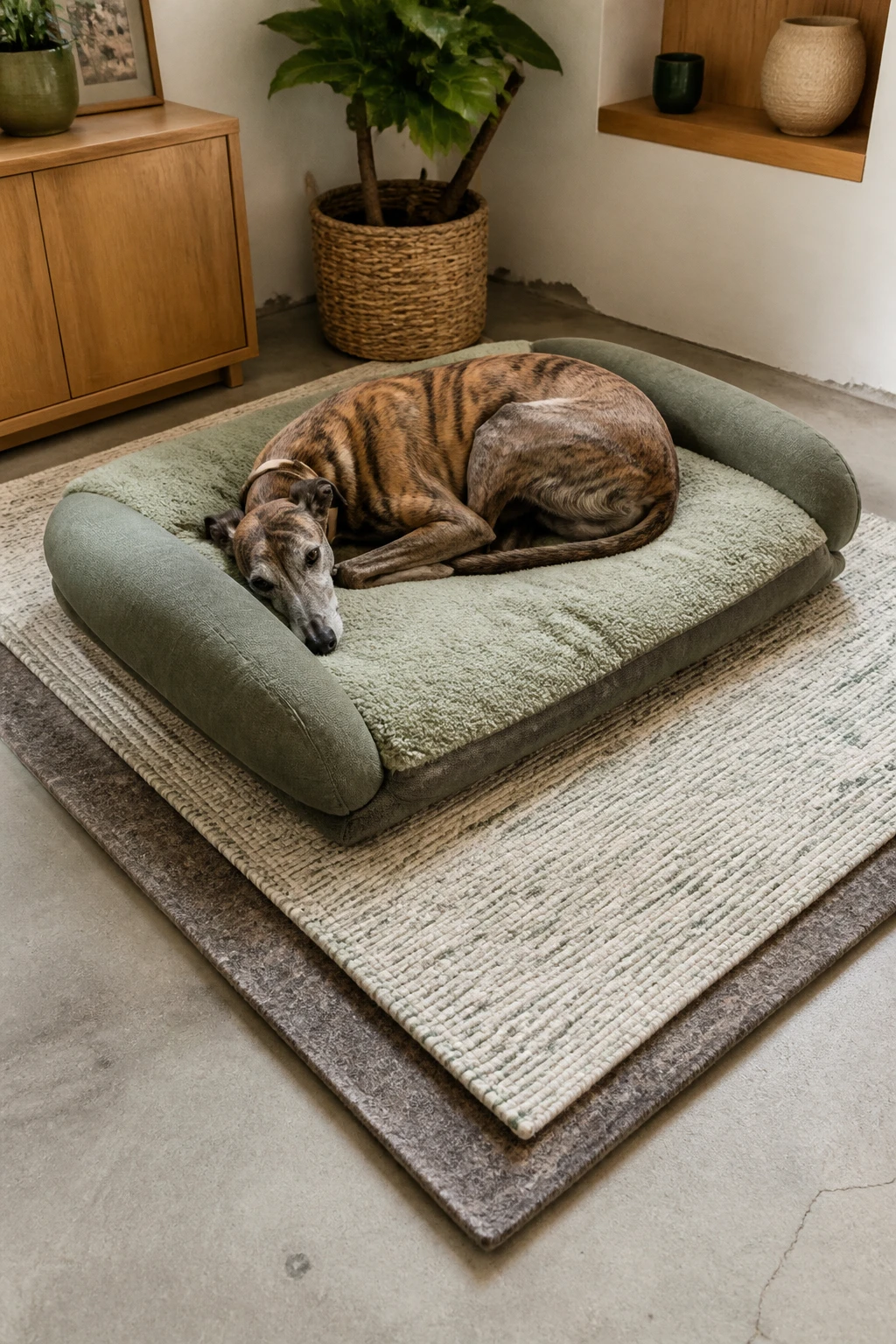
Start under the bed, not over it. A thick felt rug pad topped with a washable rug creates a warmer “island” that stops cold from creeping up. Then stack your dog’s bed on top for a serious comfort sandwich.
Layering Order
- Bottom: Natural rubber or felt rug pad (no off-gassing, grippy)
- Middle: Washable low-pile rug sized to extend beyond the bed
- Top: Bolster bed or mattress with a removable cover
Choose a rug color that hides fur between washes. If your basement floods during big storms, pick an indoor/outdoor washable rug so it dries fast. Keep edges taped with rug-safe carpet tape to prevent zoomie-related slip-outs.
Quick Wins
- Rug pads make any bed feel warmer—instant upgrade.
- Low-pile rugs clean easier than shag and don’t trap odors.
- Bolster beds give neck support and make dogs feel tucked in.
Best for: Most breeds, finished basements, multi-dog homes. I’d pick this if you want warmth without adding electricity or building furniture.
6. Add a Safe, Low-Heat Warming Layer (Cord-Free or Protected)
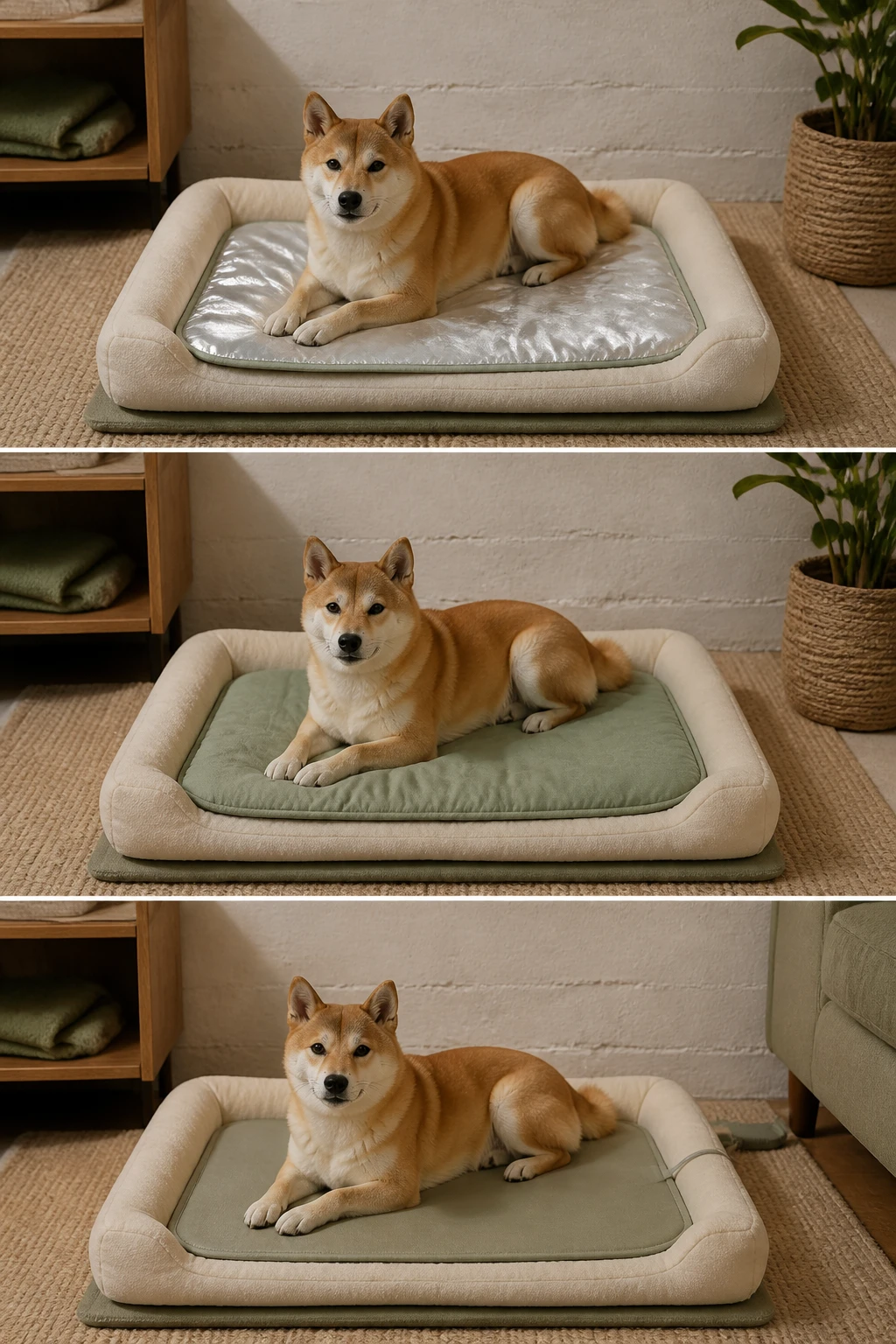
Sometimes the basement stays chilly even after rugs and foam. A safe warming layer can help, as long as you manage cords and heat levels. Focus on pet-rated products and thoughtful placement.
Options
- Self-warming pads with reflective layers (no electricity)
- Microwavable heat discs with durable covers
- Electric pet heating mats with chew-resistant cables and thermostats
If you choose electric, thread the cord through cord covers or conduit, then route it behind furniture, never across walkways. Place the pad under one half of the bed so your dog can choose a cooler spot. Check the surface temperature with your hand; it should feel gently warm, not hot.
Rules of Thumb
- Supervise the first few uses to confirm your dog’s comfort.
- Avoid heated products for dogs who chew cords or dig aggressively—go self-warming instead.
- Wash covers often; warmth attracts nap drool (it’s a thing).
Best for: Lean breeds, short-haired pups, and seniors. Worth it if your basement stays in the low 60s or below. I’d skip electric heat with determined chewers—safety first.
7. Design a Double-Den: Bed Plus Low Ceiling “Roof”
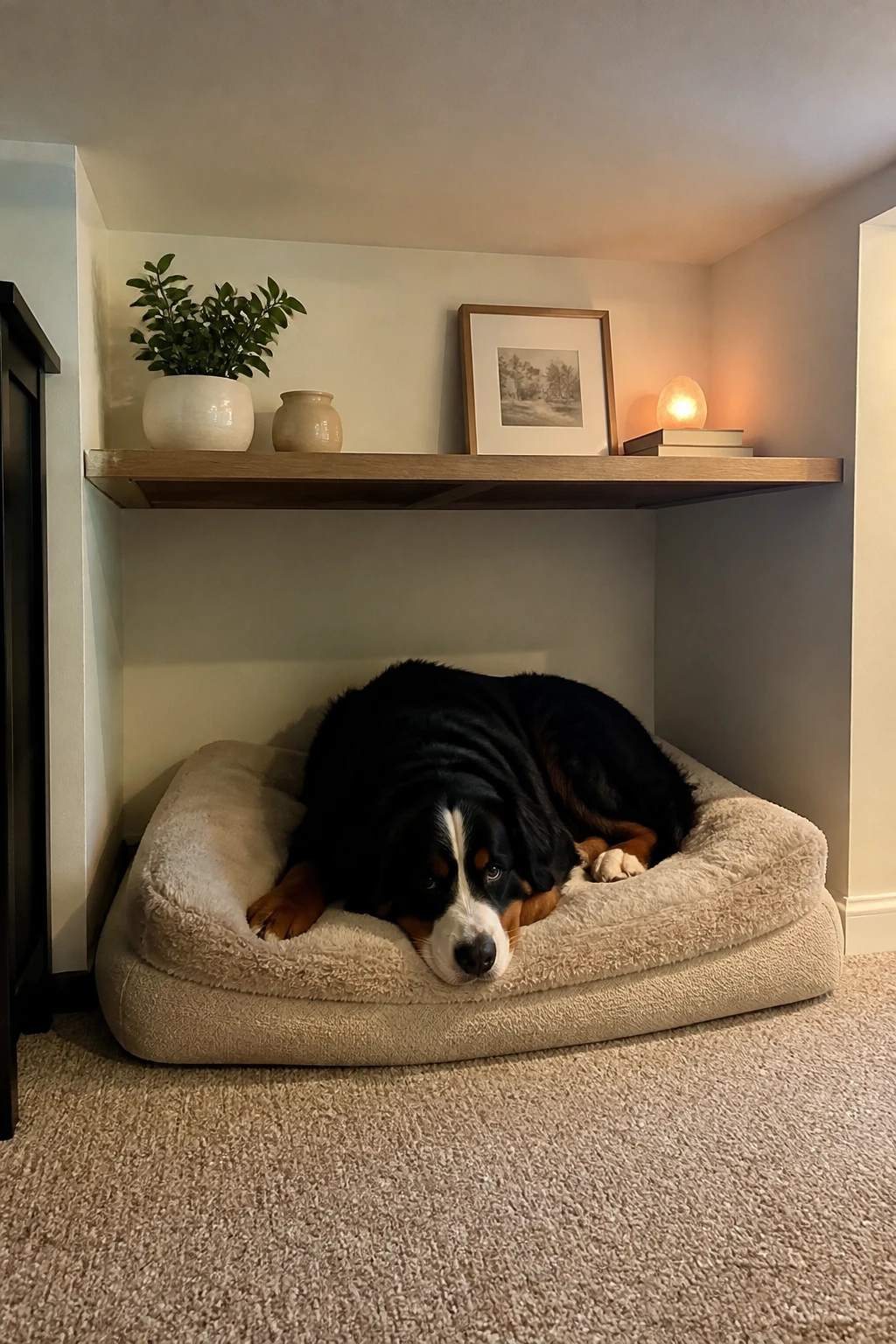
Dogs relax when they have a lid overhead—think under-table naps. Create a low “roof” above the bed to trap warmth and give a snug vibe without blocking ventilation. It also looks polished, which your basement deserves.
How to Build It
- Mount a shallow shelf or floating console 16–20 inches above the bed.
- Add peel-and-stick felt to the underside to absorb echoes.
- Place the bed so it sits fully under the shelf but leaves open sides.
Keep decor lightweight on the shelf (fabric bins, faux greenery secured out of reach). If you use a table instead, choose one with rounded corners and anchor it so excitable tail wags don’t shift it. This setup warms the microclimate by reducing vertical space above the bed.
Extras
- Install a wall-mounted hook nearby for leashes to keep the zone clean.
- Place a shallow boot tray under bowls, not near the bed, to avoid damp spills.
Best for: Anxious dogs, echoey basements, owners who want a clean, built-in look. I’d pick this if your dog loves hiding under desks.
Common Mistake to Avoid
Don’t toss a plush bed straight onto bare concrete and call it done. Concrete stays cold, wicks moisture, and flattens filling fast. Always add a thermal break first—riser, rug pad, or both—and place the sleeping area away from vents, exterior doors, and dehumidifiers that blow cool air. One more thing: avoid scented candles, string lights on or inside the crate, and any small decor a dog could swallow.
FAQ
How warm should a basement dog bed area be?
Most dogs stay comfortable with an ambient temperature around 68–72°F, but many do fine a bit cooler if they have a well-insulated bed. Focus on contact warmth: lift the bed off concrete, add a rug pad, and offer a thermal topper. If you add heat, keep it gentle and optional.
What’s the safest heating option for chewers?
Skip electric mats and go with a self-warming pad or a microwavable disc inside a tough cover. Pair it with a raised platform and thick bedding layers. Always check for wear and remove anything that shows frayed seams.
Can I put my dog’s bed near the dehumidifier?
I’d avoid it. Dehumidifiers blow cooler, dry air that can feel drafty and noisy. Place the bed across the room and route the drain hose safely along walls so there’s nothing to chew or trip over.
What materials handle basement moisture best?
Look for sealed wood, powder-coated metal, rubber-backed rug pads, and foam with waterproof liners. Washable performance fabrics like microsuede, canvas, or outdoor-rated textiles resist dampness and odors. Avoid untreated particleboard and thick shag that traps humidity.
How often should I wash the bedding?
Wash toppers and blankets weekly, mattress covers every 2–4 weeks, and wipe down frames during each laundry cycle. If your basement runs humid, increase frequency to prevent musty smells. A small box fan or dehumidifier set to 45–50% humidity helps keep everything fresh.
What size bed works best for drafty spaces?
Pick a bed that’s large enough for full-body sprawl but includes bolsters or a low “roof” to reduce exposure. In cold areas, slightly smaller beds can help retain warmth, as long as your dog can still stretch comfortably. Measure nose-to-tail and add 6–8 inches for wiggle room.
Ready to give your basement a warm, dog-approved glow-up? Start with the ground—lift the bed, add insulation, then layer smart textiles. Tweak one or two ideas today and your dog will claim that corner before you finish your coffee, seriously.
As an Amazon Associate, I earn from qualifying purchases.