
Feeding your dog homemade food comes from a good place. You want better ingredients, better health, and a longer life for your dog.
But here is the reality most people are not told.
Homemade dog food is easy to get wrong.
Even well-meaning pet parents can unintentionally create meals that lead to nutrient deficiencies, digestive issues, and long-term health problems.
Before you continue feeding a homemade diet, make sure you are not making these common mistakes.
Feeding Unbalanced Meals
It is important to start with a solid foundation and understanding canine nutrition. This is the number one mistake and the most serious.
Dogs require a precise balance of nutrients including protein, fats, calcium, phosphorus, vitamins, and trace minerals. When meals are made from random combinations of meat, vegetables, and grains, that balance is almost always off.
Over time, even small imbalances can lead to:
-
Weak bones
-
Organ stress
-
Poor immune function
-
Reduced lifespan
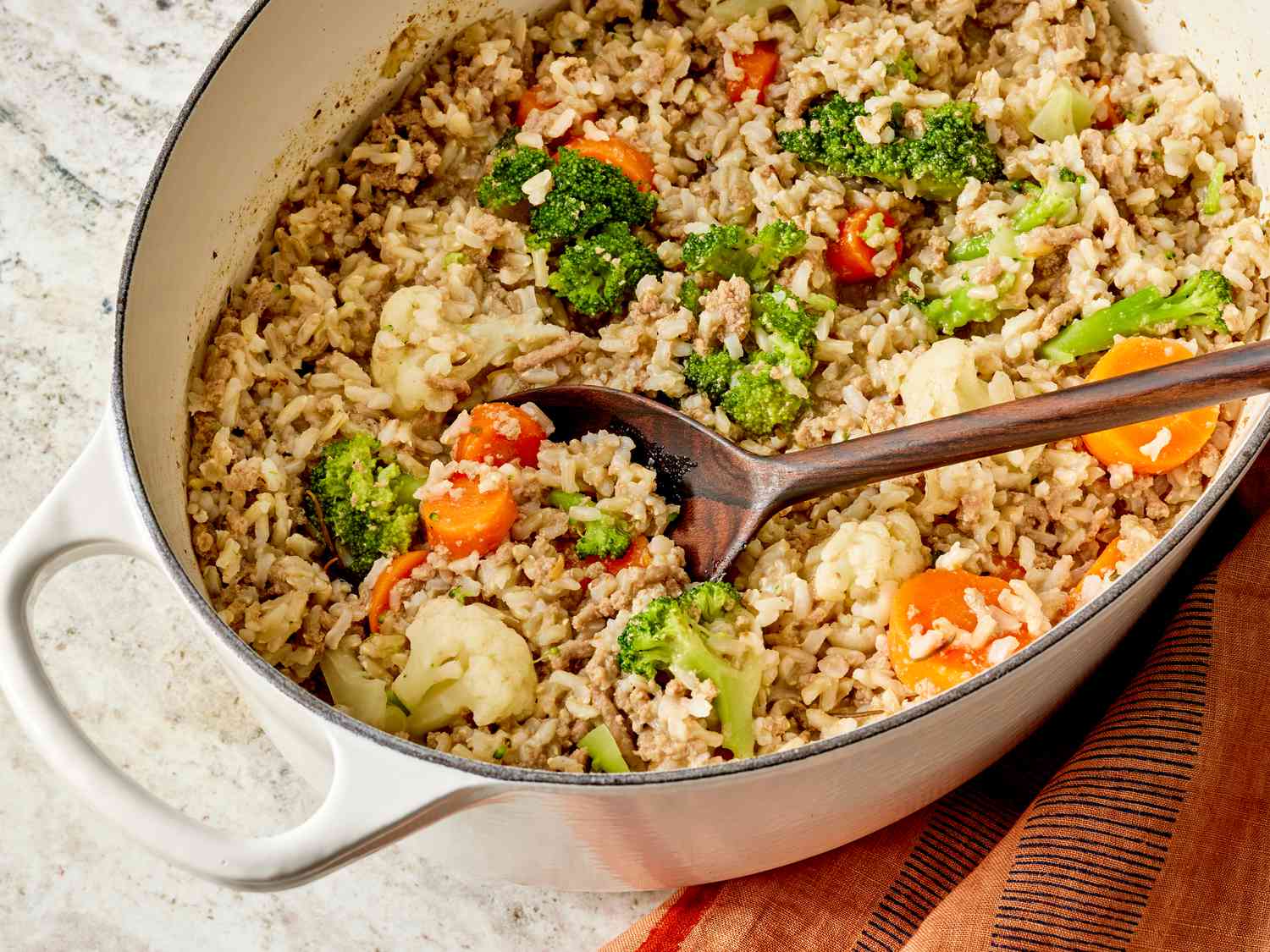
A bowl that looks healthy is not always complete.
Not Adding Essential Nutrients
Many homemade meals are missing critical nutrients that dogs cannot get from basic ingredients alone.
The most commonly missed include:
-
Calcium
-
Taurine
-
Zinc
-
Vitamin D
-
B vitamins
For example, feeding meat without a proper calcium source creates a dangerous imbalance that can weaken bones and teeth.
This is where most homemade diets quietly fail.
Too Much or Too Little Protein
Protein is essential, but more is not always better.
Too much protein can:
Too little protein can:
-
Lead to muscle loss
-
Lower energy levels
The key is not just adding protein. It is feeding the right amount in balance with everything else.
Ignoring Portion Control
Homemade food often looks lighter and healthier than kibble, which leads many people to overfeed without realizing it.
Overfeeding can quickly lead to:
Every dog has different calorie needs based on size, age, and activity level. Guessing is not a reliable strategy.
Switching Too Fast
Changing your dog’s diet too quickly can cause digestive upset, even if the new food is better.
Common signs include:
-
Diarrhea
-
Vomiting
-
Loss of appetite
A gradual transition allows your dog’s system to adjust and reduces unnecessary stress.
Assuming “Natural” Means Complete
This is one of the biggest misconceptions in dog nutrition.
Natural ingredients are a great start, but they do not guarantee a complete and balanced diet.
A meal made with whole foods can still be missing critical nutrients your dog needs every day.
Quality ingredients matter, but balance matters more.
The Bottom Line
Homemade dog food can absolutely improve your dog’s health when done correctly.
But without proper balance, it can do more harm than good over time.
That is why many pet parents look for a smarter approach.
A properly formulated complete and balanced base mix helps take the guesswork out of homemade feeding. It allows you to add fresh protein while ensuring your dog still receives the essential nutrients they need to thrive.
What to Do Next
If you are feeding homemade or thinking about it, the next step is understanding how to do it right.
In our next guide, we break down exactly how to create a complete and balanced homemade diet for your dog without the risk.
Feeding homemade should feel simple, not stressful. Make it easy to serve real, balanced meals → Shop Happy Dog Food