
Key Takeaways:
- Types of Proteins Available: Rotating proteins for dogs like chicken, beef, and salmon can keep mealtime exciting while helping some pups avoid repeat sensitivities. For dogs with touchy stomachs, novel options like rabbit or venison may feel like a gentler match.
- Signs Your Dog Might Need a Protein Switch: Dull coat, itchy skin, digestive drama, low energy, picky eating, or sudden weight changes can all hint that a different protein source for dogs may sit better in the bowl.
- So, What’s the Recommended Protein for Dogs?: Finding the best protein for dogs centers around nourishing their unique needs and creating joyful mealtime moments, rather than achieving perfection or succumbing to trends.
When feeding time rolls around, we all want to nail it. We want tails wagging, bowls licked clean, and bellies full of goodness. But stroll down any pet food aisle or scroll through endless online options, and you’re met with a wild world of promises—single-source proteins, novel meats, ancient grains, and, of course, that eternal debate: What’s the best protein for dogs, really?
It’s enough to make anyone’s head spin. Chicken? Beef? Fish? Something more exotic? Every brand seems to swear by its own secret formula, and the guilt that creeps in when you can’t snag the priciest option is real.
At Muenster, we know that finding the ideal protein source for dogs can be confusing, even intimidating. That’s why we break things down with transparency and heart, balancing budget, taste, and nutrition to keep tails (and wallets) wagging. Whether your furry friend is a die-hard chicken fan, a lover of beef, a fish aficionado, or you’re just scouting for something new to top their kibble, let’s explore the best meat for dogs, dive into what your dog’s body actually craves, and find smart, affordable ways to let them thrive.
Chicken, Pork, or Beef: Which Classic Protein Wins for Your Dog?
Every pup has a favorite. Some get that gleam in their eyes for roast chicken, others do the wiggly happy dance over beef, and a few have a soft spot for savory pork. At the same time, protein for dogs goes beyond “what gets a tail wagging.” The right pick helps fuel bright energy, strong muscles, and that confident, glossy-coat kind of glow.
Chicken: A Lean, Crowd-Pleasing Protein for Dogs
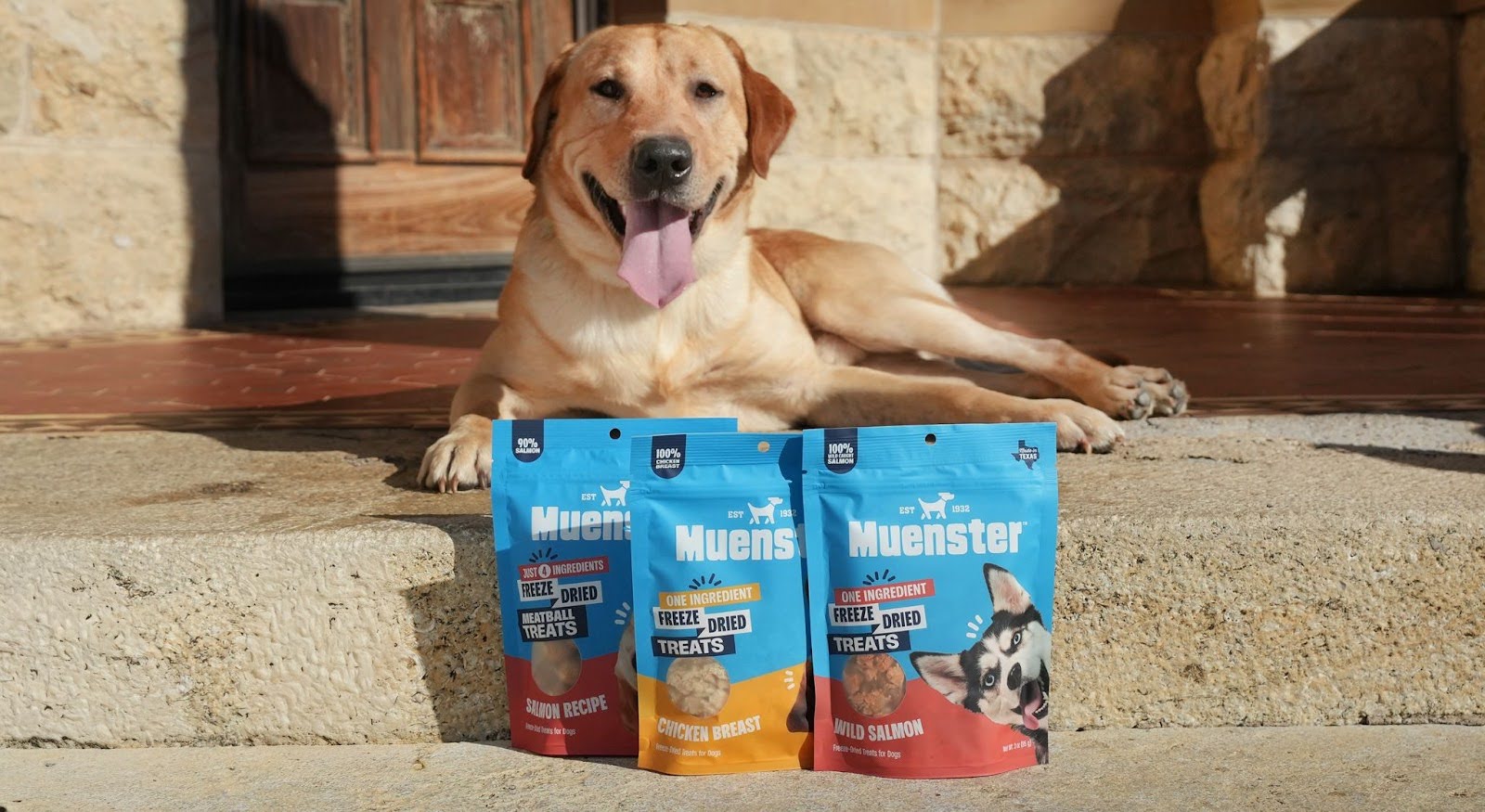
To start, chicken often tops the list for both palatability and nutrition. This lean option tends to digest easily and delivers amino acids that help build muscle while keeping skin and coats healthy. For pups with touchy stomachs, chicken frequently feels like a gentle on-ramp. Plus, the budget-friendly angle makes steady routines easier to maintain. For a simple way to add variety without shaking up the whole bowl, freeze-dried chicken for dogs can work as a topper or training-time treat.
Beef and Beef Liver: Big Flavor and Hearty Fuel for Active Dogs
On the heartier side, beef brings bold taste and steady fuel. As a calorie-dense protein with iron and B vitamins, beef can be a strong match for active dogs and larger breeds that burn through energy fast. Even so, some pups can react to beef, so a little watchfulness helps when new foods enter the rotation.
Meanwhile, beef liver comes from the cow’s liver, which makes it an organ meat rather than a “muscle meat” cut like steak or ground beef. Nutritionally, beef liver is far more concentrated than standard beef. Vitamins and minerals show up in higher amounts, which can be helpful in small portions, but too much too often can feel like “a good thing turned up too loud,” since liver is rich in vitamin A and other nutrients.
For dog parents weighing frequency, portioning, and safety, our guide on whether beef liver is good for dogs breaks it down in a practical, easy-to-follow way. If your dog already craves beef liver, your furbaby will love our freeze dried beef liver dog treats!
Pork: A Flexible, Less-Common Protein Source for Dogs
Pork plays an underrated role in the classic protein lineup. Juicy, flavorful, and often easier on tummies than beef, pork can be a helpful swap for dogs that struggle with poultry. In addition, pork delivers beneficial fats and essential amino acids that keep meals satisfying. Safe sourcing matters here, so pork should be cooked properly and served plain, without spices or sauces. For dog parents weighing this option, take a peek at our quick guide on protein-rich pork in dog diets.
Ultimately, the recommended protein for dogs rarely lives in a single forever-choice. Rotations can help reduce boredom, lower the risk of sensitivities, and keep mealtime feeling like the highlight of the day. With a little trial, a little observation, and a lot of love, an ideal protein source for dogs can become something that fits real life and keeps tails joyfully in motion.

Fish Facts: Omega-Rich Proteins From the Sea
There’s a special kind of magic in a pup’s eyes when a whiff of salmon hits the air. For many dogs, fish feels like a delicious change-up from chicken or beef, plus a powerhouse protein source for dogs that comes with real nutritional perks. For dog parents searching for the best protein for dogs, salmon often earns a loyal following among pups and the people who love them.
Salmon is rich in omega-3 fatty acids, the nutrients vets bring up often for good reason. Omega-3s help keep coats soft and glossy, encourage comfortable movement in joints, and contribute to heart health. For dogs that scratch more than expected or deal with dry, flaky skin, omega-rich proteins like salmon can be a smart place to start.
Another bonus shows up in digestion. Salmon is typically easy on most stomachs, including pups who run sensitive. Plus, the naturally lean profile supplies high-quality protein without extra heaviness. For busy breeds who live for action and the occasional pond dive, salmon can help power playtime and bounce-back.
Just as important, a joyful bowl matters. Watching a dog savor something new that also fits their needs can feel like a win for everyone. Mixed into dinner or served as a special reward, salmon brings a little “catch of the day” excitement home, one wag at a time. For a deeper dive into salmon’s benefits, serving tips, and what to watch for, our guide on salmon as a protein source can help make the choice feel simple and confident.
Novel Proteins Like Rabbit, Elk or Venison
If you’ve ever watched your dog turn up their nose at dinner or seen them itch and shuffle after a meal, you know how stressful food allergies and sensitivities can be. That’s where novel proteins step in like culinary superheroes for the canine world. Rabbit, elk and venison are increasingly showing up in premium dog foods. These proteins aren’t just a trend; they’re an answer for dogs who’ve tried chicken, beef, and fish and still can’t settle their stomachs.
Why are rabbit and venison considered novel? It’s all about their relative rarity in mainstream diets. If your dog’s only ever clashed with the usual suspects, sometimes introducing a less common protein can help skirt around stubborn allergies. Both rabbit and venison bring lean, digestible goodness with lower fat and tons of essential amino acids. That’s great news for sensitive pups who deserve a full bowl and a wagging tail.
What’s appealing is how these meats return us to a more natural, protein-rich nutritional profile, echoing what wild canines often eat. For dogs with persistent tummy troubles, a rotation protein like rabbit or venison might just mean fewer itches, smaller vet bills, and a happy, comfortable companion. Of course, any big switch should happen slowly and steadily, but otherwise, for many dog parents, novel proteins bring a whole lot less stress at mealtime.

Signs Your Dog Might Need a Protein Switch
Not every tail wag means life’s perfect in your dog’s bowl. Sometimes, the signs that your pup’s protein isn’t working for them are subtle, hiding in all the ways they move, play, or even snooze. Dogs are experts at loving us, even when they feel less than their best, so it’s up to us to decode their signals and make sure mealtime really is “the best part of their day.”
Dull Coat & Itchy Skin
A dog’s coat should shine almost as brightly as their personality. If your pup’s fur is looking a little lackluster, patchy, or they can’t stop scratching, their current protein may not be meeting their needs, or worse, could be causing a mild sensitivity.
Digestive Drama
Loose stools, frequent gas, or that unmistakable “what did you roll in?” odor could be red flags. Sometimes, trouble digesting a specific protein leads to upset tummies (for both pooch and parent). A high-quality, easily digestible protein can make all the difference.
Low Energy or Less Play
Zoomies replaced with extra-long naps? If your dog seems less interested in walks, fetch, or their favorite squeaky toy, it might be because they’re lacking the fuel they truly need or the right kind of protein to support all that joyful exertion.
Sudden Picky Eating
Dogs who suddenly turn their nose up at their bowl aren’t just staging a protest. That missing enthusiasm can be your first clue that something isn’t clicking with their current food. Sometimes, a different protein can reignite dinnertime excitement.
Weight Fluctuations
While every dog’s metabolism dances to its own tune, unexplained weight gain or loss can signal trouble metabolizing their current protein. Finding the ideal protein source for dogs can help maintain that perfect balance.
Because no two dogs are identical (and we know yours is extraordinary), it’s worth staying curious about what’s in their bowl and how their body responds. Swapping to the best protein for dogs is about reading your dog, adjusting to their needs, and celebrating them at their happiest and healthiest.

Final Thoughts
At the end of the day, the search for the optimal protein for dogs is about celebrating the unique spirit of your pup with meals that make their tails wag. Is chicken a hit for your furry sidekick? Great! Maybe your tail wagging family member thrives on beef, or lights up at the scent of fresh-caught fish. At the end of the day, what matters most is that you’re choosing real, nourishing protein as the star of your dog’s bowl, fueling everything from messy backyard adventures to those sweet-eyed couch cuddles.
Think of mealtime like a joyful ritual and a chance to give your dog something healthy and heartfelt. At Muenster, we make this easy: every bag is packed with responsibly sourced proteins and thoughtfully crafted to fit real lives and real wallets. Whether you want to level up kibble with a sprinkle of freeze-dried raw, or lean on the balanced power of ancient grains, the “best” is what works for your dog and gives you peace of mind. Because every good dog deserves good food, every single day.
Frequently Asked Questions About the Best Protein for Dogs
Is chicken or beef better for dogs?
Both chicken and beef are excellent, highly digestible protein sources, and most dogs can safely enjoy either. Chicken is a leaner option, making it great for pups who need to watch their waistlines, while beef brings that rich flavor dogs crave and packs in additional minerals like iron and zinc. Some dogs may develop sensitivities, so if you notice itching or tummy troubles, switching proteins can be a wise move. Remember that there’s no universal “perfect protein.”
Are there benefits to lamb protein for dogs?
Absolutely. Lamb is a flavorful, nutrient-dense protein, especially great for dogs with sensitivities to more common proteins like chicken or beef. It’s loaded with B vitamins and iron, supporting energy and blood health. For dogs seeking variety or those who just love to romp extra hard at the dog park, lamb can be an ideal protein source that shakes up mealtime and nourishes their joy from the inside out.
Are some proteins better for puppies than adults?
Puppies are growth machines, and their rapidly developing bodies need not just more protein, but the right kinds. While most well-sourced meats (chicken, beef, fish, lamb) can all fit into a healthy puppy diet, the real difference is in balance. Look for foods formulated specifically for growth, with animal proteins high up on the ingredient list. Ideally, consult your vet or lean on science-backed brands like Muenster to help give your puppy a strong start, with the ideal protein source for their life stage.
Do senior dogs need less protein?
Actually, many senior dogs benefit from more high-quality protein, not less. As dogs age, muscle maintenance becomes extra important, and the right protein helps them stay strong, active, and playful. What matters most is digestibility and how the protein fits with any health constraints your older pup might have, so keep protein high, but choose wholesome, easily digestible sources.
Are there risks of too much protein for dogs?
For most healthy dogs, excess protein is simply excreted, so it’s rarely a concern, especially with quality proteins from real meat, not fillers. However, dogs with certain kidney issues or unique medical conditions may need protein moderation. As with any aspect of your dog’s diet, if you have questions or see any changes in their behavior or health, a quick check with your vet is always a good safety net.
Do grain-free diets impact protein intake?
Grain-free diets shift the spotlight from grains to additional protein sources and alternative carbs (like sweet potato or lentils). The best grain-free foods, like those in Muenster’s line-up, use real meats as the star of the show, so your pup stays fueled for backyard zoomies and cuddle sessions. If you opt for grain-free, just make sure it’s still a complete, balanced meal.
How do I know if my dog is thriving on their current protein?
A shiny coat, bright eyes, regular digestion, and plenty of tail-wagging. These are the tell-tale signs your dog is getting the best protein for their needs. Dogs that feel good will act like it: full of energy, playful, and eager for adventure. If your companion’s appetite, energy, or coat quality dips, it may be time to rethink their protein or switch things up for variety’s sake.
Can dogs have allergies to certain proteins?
Yes, proteins are actually one of the most common triggers for food allergies in dogs. If your dog starts itching, licking paws, or dealing with chronic ear infections or upset stomach, a protein sensitivity could be the culprit. Fortunately, rotating proteins or switching to a less common meat, like fish, lamb, or even novel proteins, can often help. At Muenster, we make exploring new protein sources as simple (and fun) as a game of fetch.
Sources:
- Folador, J. F., Karr-Lilienthal, L. K., Parsons, C. M., Bauer, L. L., Utterback, P. L., Schasteen, C. S., Bechtel, P. J., & Fahey, G. C., Jr (2006). Fish meals, fish components, and fish protein hydrolysates as potential ingredients in pet foods. Journal of animal science, 84(10), 2752–2765. https://doi.org/10.2527/jas.2005-560
- Best Friends Veterinary Hospital. Is beef liver good for dogs. https://bestfriendsvet.org/blog/is-beef-liver-good-for-dogs/
- Anastasio, A. (2025, November 10). Can dogs eat pork? American Kennel Club. https://www.akc.org/expert-advice/nutrition/can-dogs-eat-pork/
- Reisen, J. (2024, March 14). Can dogs eat chicken? American Kennel Club. https://www.akc.org/expert-advice/nutrition/can-dogs-eat-chicken/