This post contains affiliate links. As an Amazon Associate, I earn from qualifying purchases, at no extra cost to you.
Cold floors plus a drafty room equals one shivery pup. The fix? Smart self-warming beds and setups that trap your dog’s body heat without cords or complicated gadgets. These 7 ideas focus on safe materials, insulation tricks, and easy upgrades that fit your decor. Let’s dial up the warmth so your dog sleeps like royalty while your energy bill chills out.
⭐ Our Top Pick: See it on Amazon
1. Thermal Reflective Beds That Recycle Body Heat
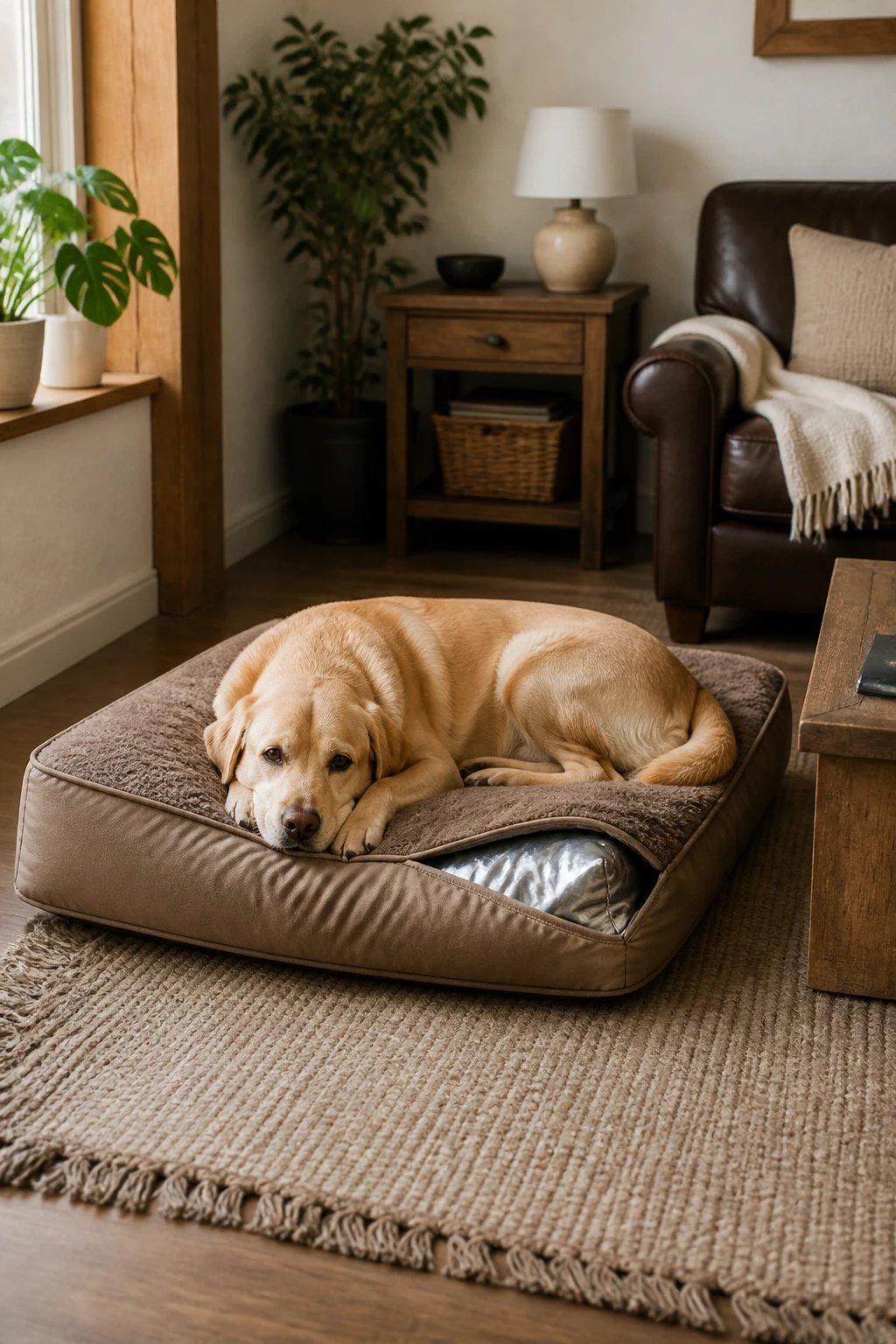
Think of these as the no-plug version of a space blanket. A thin reflective layer inside the cushion bounces your dog’s warmth back to them, so the bed feels snug within minutes. No cords, no fuss—just science doing its thing.
What To Look For
- Quiet liner: Choose beds with low-crinkle reflective fabric so sensitive pups won’t get startled.
- Dense fill: Foam or polyfill should be thick enough to block floor chill.
- Machine-washable cover: Hidden zippers and durable stitching matter.
Place it away from exterior doors or windows to avoid drafts. I’d pick a neutral color that blends with your sofa or rug, so it looks like part of the room rather than a random pet blob.
Best for: Most dogs, especially short-haired breeds that lose heat fast. Worth it if your floors run cold in winter.
2. Bolster Beds With Heat-Hugging Walls
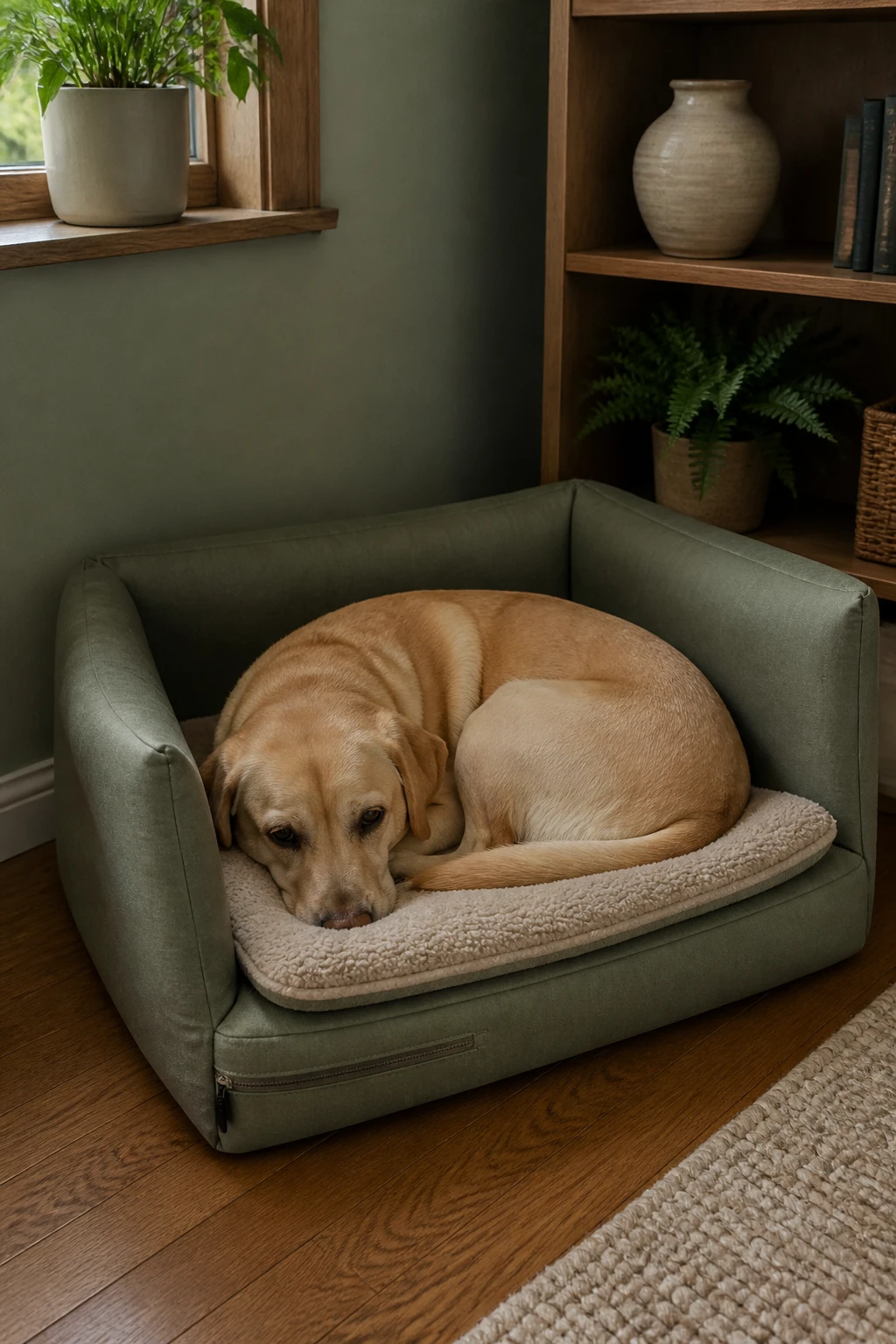
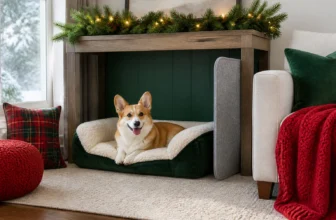
Bolsters act like a windbreak. Three raised sides block gusts and create a pocket of warmer air around your dog. Add a self-warming insert or fleece topper and you’ve got a nest that feels like a warm hug.
Tips
- Measure the sleep style: Curlers love tighter bolsters; sprawlers need a wider inner area.
- Pick supportive foam: Solid memory foam base stops the cold from creeping up through the floor.
- Go for a zip-off cover: Winter equals muddy paws—make cleaning painless.
I’d skip super-loose piping or fringe—tempting to chew and not exactly safe. Keep decor-friendly by matching the bolster fabric to your sofa upholstery or a nearby throw.
Best for: Dogs that like to curl up, anxious pups who crave a secure corner, drafty rooms near hallways.
3. Crate Dens With Insulating Liners
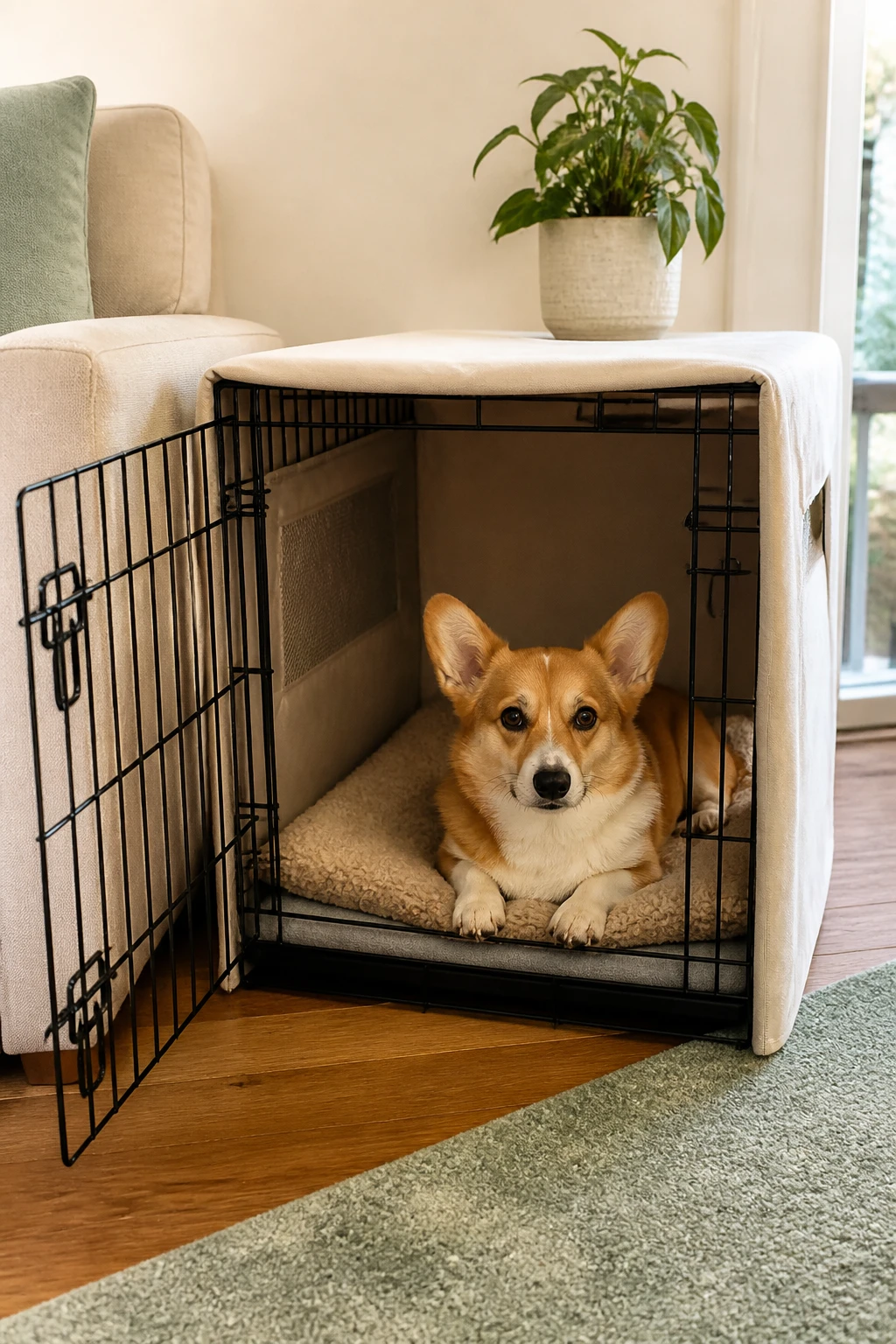
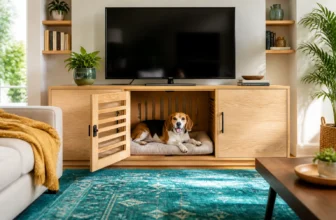
Turn a crate into a warm den without turning it into a sauna. Line it with a fitted, padded mat and a breathable cover that reduces drafts while allowing airflow. Add a self-warming pad on top of the mat for a layered effect.
How To Set It Up
- Cover wisely: Use a tailored fabric crate cover or a thick blanket clipped with Command hooks to keep edges secure and out of reach.
- Layer the base: Bottom: anti-slip rug pad cut to size; middle: supportive crate mat; top: self-warming pad or fleece.
- Vent safely: Keep at least one side partially open for fresh air.
Skip string lights inside or on the crate—cute, but unsafe. IMO, this setup hits the sweet spot of warmth, privacy, and style if you choose a cover that matches your curtains or rug.
Best for: Dogs that feel safer in a den, multi-dog homes where each pup needs a designated warm zone.
4. Elevated Cots With Thermal Toppers
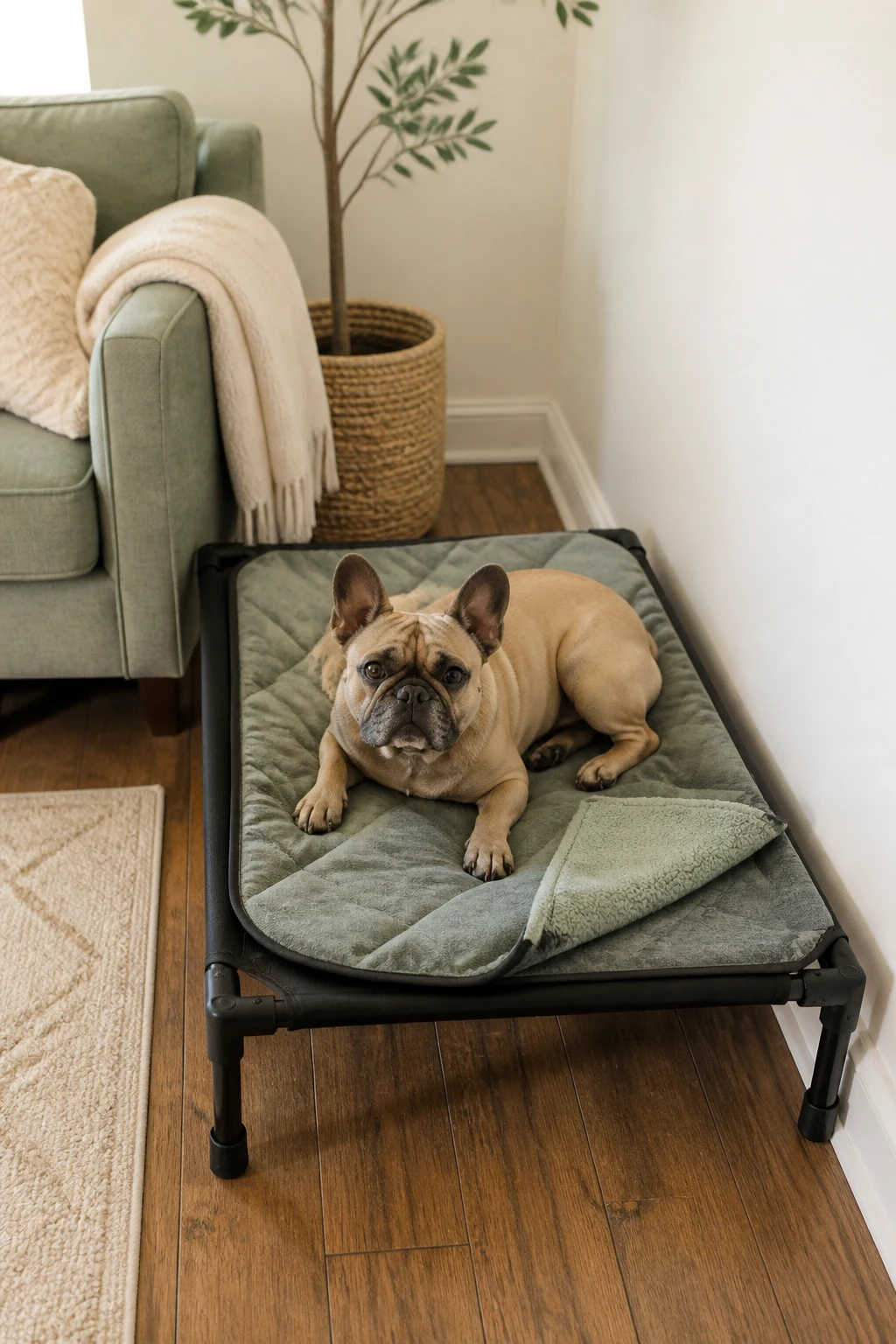
Raised cots prevent heat loss to the floor, which helps big dogs and hot-blooded breeds that don’t want a pillowy cave. Add a quilted thermal topper or sheepskin-style fleece to trap warmth without smothering airflow.
Key Points
- Frame: Choose a sturdy, chew-resistant metal frame with tight mesh for even support.
- Topper: Look for reversible toppers: warm fleece on one side, smoother fabric on the other.
- Feet: Silicone or rubber feet protect hardwoods and stop sliding.
Place the cot near a wall to reduce drafts on one side. I’d pick this for dogs that run warm but still appreciate a cozy layer on icy nights.
Best for: Large breeds, thick-coated dogs, or homes with radiant floor heating where airflow matters.
5. DIY Layered Bed Stack: Rug Pad + Memory Foam + Fleece
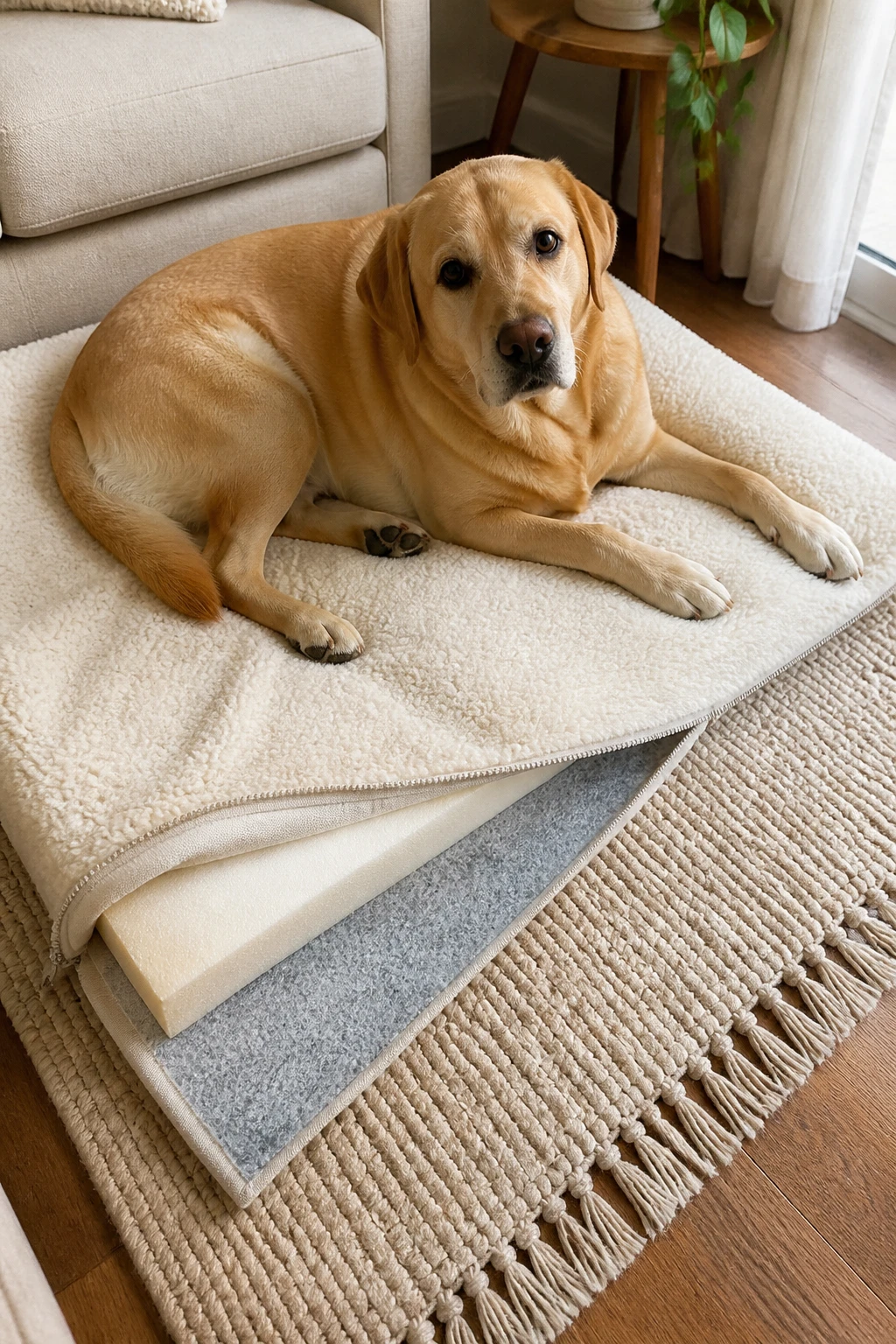
Want custom comfort without the price tag? Stack materials you might already have: a trimmed rug pad, a firm foam base, and a thick fleece cover. The foam insulates, the fleece traps heat, and the rug pad stops sliding.
Materials
- Non-slip rug pad cut 1 inch smaller than the base
- 2–4 inch high-density foam (orthopedic works great)
- Removable fleece or sherpa cover with hidden zipper
Wrap the foam like a present so corners stay tight and there’s nothing to nibble. If your dog’s a chewer, add a tough canvas outer layer. I’d pick this route if you need a custom size for a bay window nook or awkward corner.
Best for: Budget-minded owners, odd-shaped spaces, dogs needing orthopedic support with winter warmth.
6. Heated-By-You Setup: Microwaveable Inserts Under a Self-Warming Pad
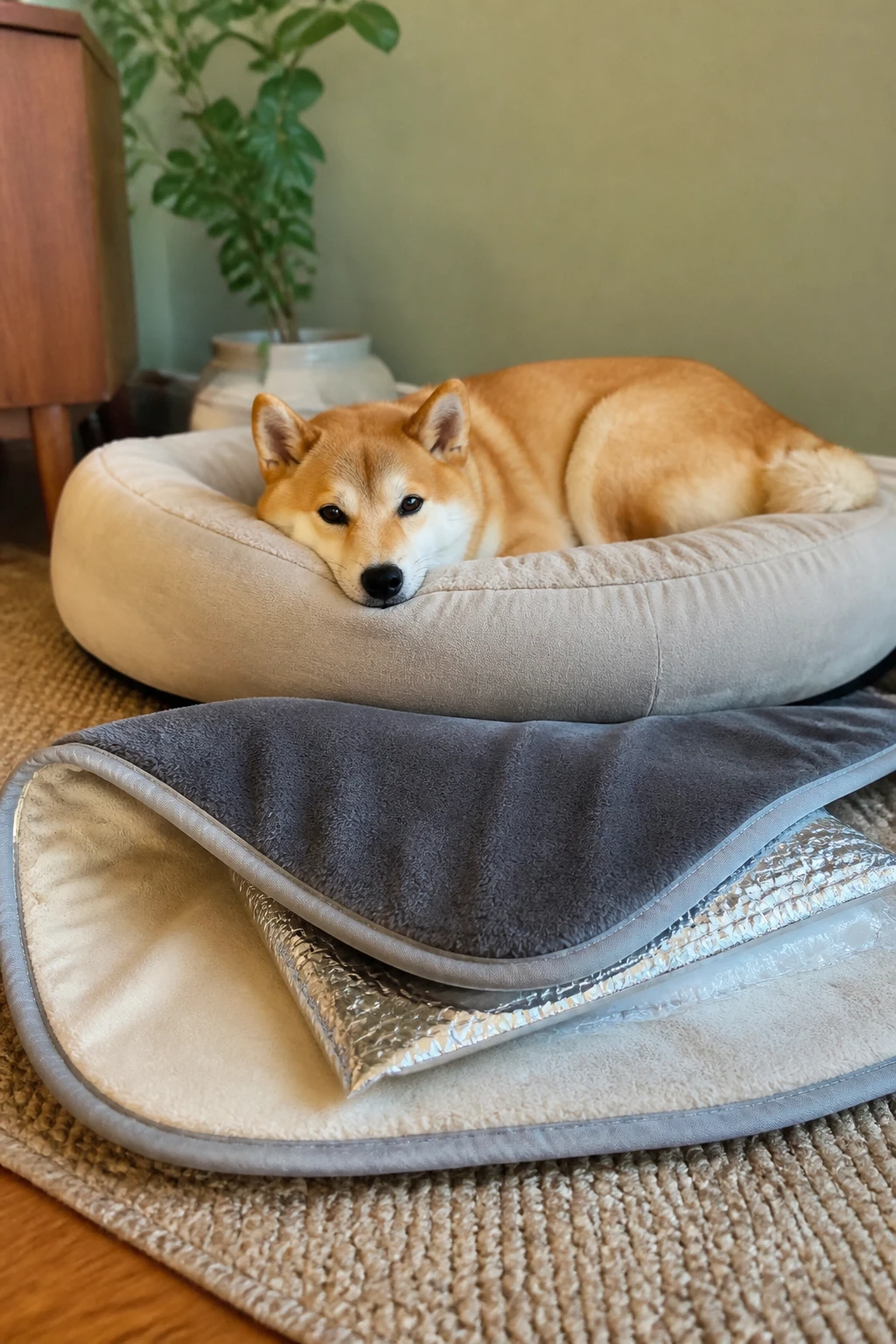
No electricity near the bed, but you still want extra toastiness? Use a microwaveable, pet-safe heat insert tucked under a self-warming pad. The insert gives an initial boost, and the reflective layer maintains warmth longer.
Safety First
- Wrap the insert: Always place it in a sleeve or under a thick pad so it never touches skin directly.
- Check temperature: It should feel warm, not hot—test on your wrist for at least 10 seconds.
- Inspect stitching: Replace if the insert shows wear or leaks.
Great for bedtime routines—heat the insert, tuck it in, and you’re done. I’d skip this for heavy chewers; go with a pure self-warming bed instead.
Best for: Nighttime use in colder rooms, senior dogs who appreciate a gentle start to sleep.
7. Corner Nooks With Draft Shields and Wool Layers
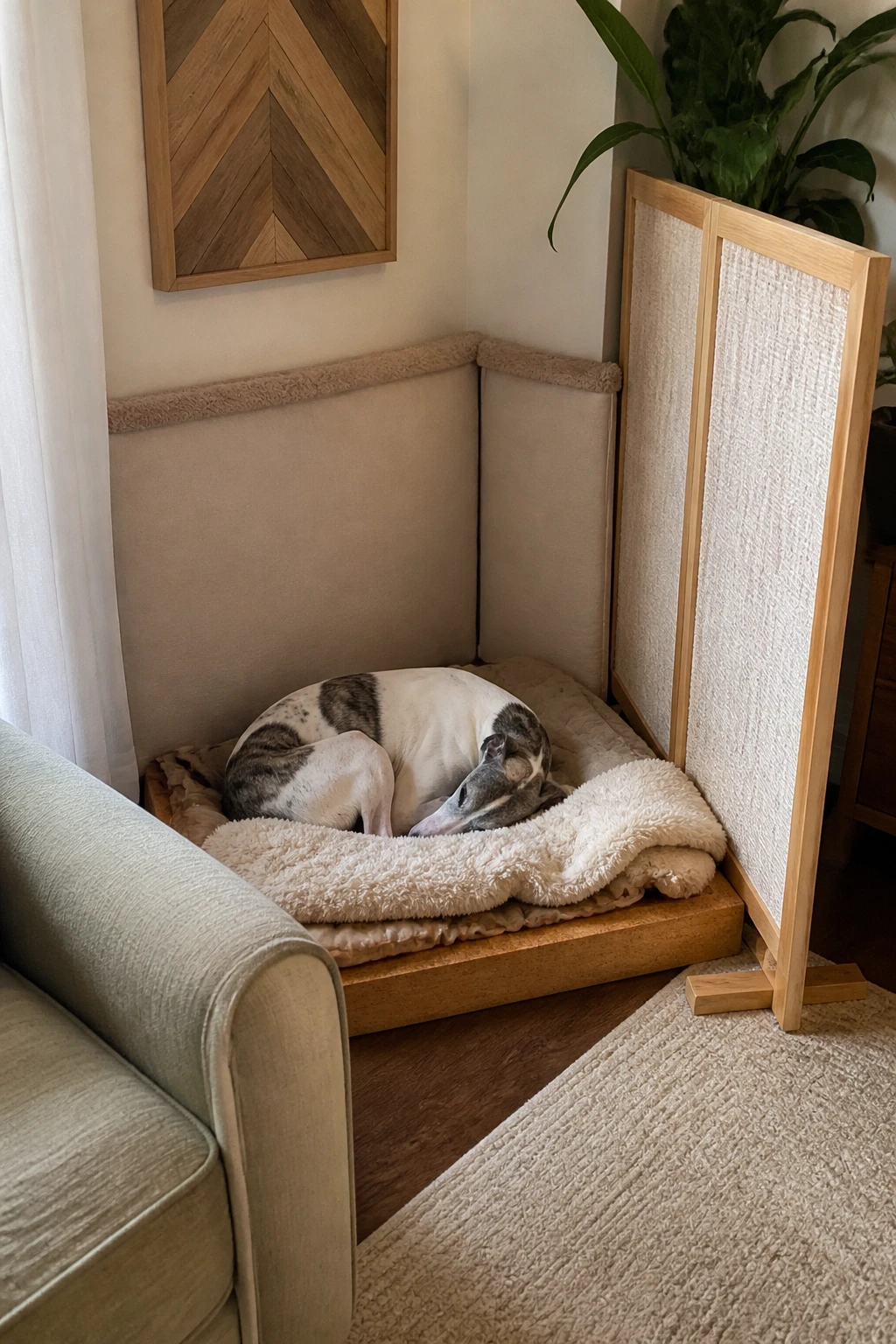
Location matters. Create a warm corner by placing a bed against two walls, then use a fabric room divider or solid panel on the open side to reduce drafts. Top the bed with a wool or wool-blend layer—wool insulates even if slightly damp.
Setup Tips
- Choose the spot: Far from exterior doors, off tile, and away from direct vent blasts.
- Add a mat stack: Bottom: cork or thick rug; middle: supportive bed; top: wool blanket.
- Keep decor safe: Use shatterproof accents placed high, and avoid anything dangling within reach.
This turns a cold corner into prime nap real estate and looks intentional if you color-match the divider to your walls. Worth it if your home has stubborn drafts you just can’t beat.
Best for: Apartments with limited layout options, dogs that like a “den” feel without a crate.
Common Mistake to Avoid
Don’t over-insulate with airtight covers. Dogs need breathable materials so moisture doesn’t build up and create a chilly, damp bed. Aim for layers you can rotate: fleece or sherpa up top, supportive foam in the middle, and a non-slip base that still lets air move.
FAQ
Are self-warming beds safe for puppies and seniors?
Yes, as long as the materials are breathable and the bed doesn’t trap excessive heat. Skip electric heat for unsupervised use; go with reflective liners and supportive foam. For seniors, prioritize orthopedic bases that reduce pressure points.
How do I clean these beds without ruining the warming effect?
Remove the cover and wash on cold, gentle cycle. Spot-clean the inner reflective liner and foam base; avoid soaking foam. Dry covers on low heat or air dry to preserve loft and zipper integrity.
What if my dog chews everything?
Choose chew-resistant fabrics like heavy canvas or tightly woven upholstery material. Avoid zippers on exposed edges and skip microwaveable inserts. An elevated cot with a secured, rugged topper is usually the safest bet.
Will a self-warming bed overheat my dog?
No, these reflect existing body heat; they don’t generate heat on their own. If your dog pants or moves away, remove a layer or pick a more open design like an elevated cot with a thinner topper.
Where should I place the bed for maximum warmth?
Choose a quiet corner away from exterior doors, windows, and vents. Add a rug underneath if you have tile or concrete. For crates, use a breathable cover and keep one side partially open for airflow.
Ready to make winter naps a thing of beauty? Pick one of these ideas, layer smart, and place the bed where the air stays calm. Your dog will claim their warm throne, and you’ll wonder why you didn’t do it sooner.
As an Amazon Associate, I earn from qualifying purchases.