This post contains affiliate links. As an Amazon Associate, I earn from qualifying purchases, at no extra cost to you.
Cold floor, shivery pup, and you promised yourself no space heaters this winter. Good news: your dog can sleep warm without blasting electricity or risking cords. Let’s set up a snug sleep zone that looks good, works hard, and keeps safety front and center. Grab a blanket (for you), and let’s build your dog a warmer bed, layer by layer.
Start with the Foundation: Elevation + Insulation
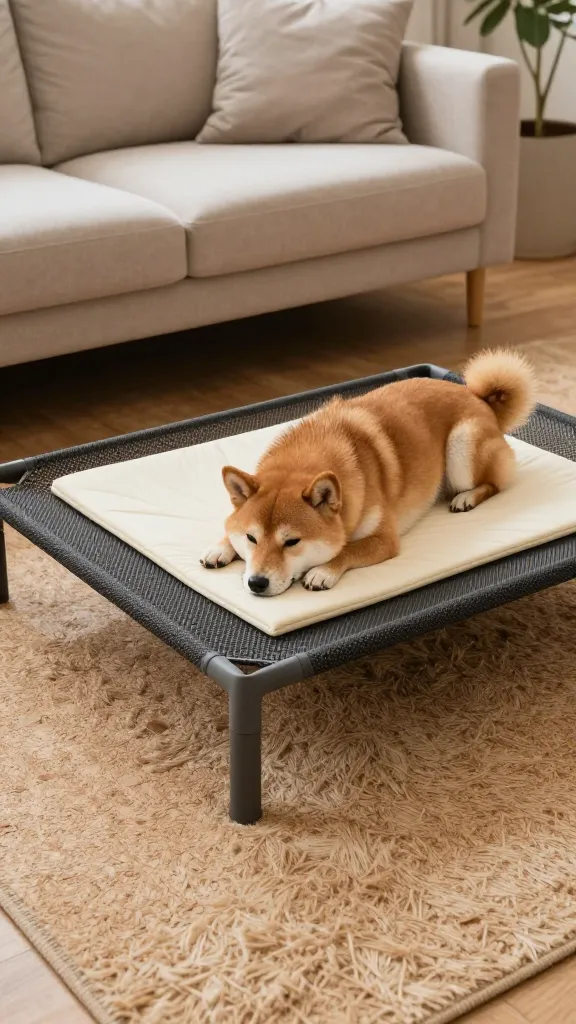
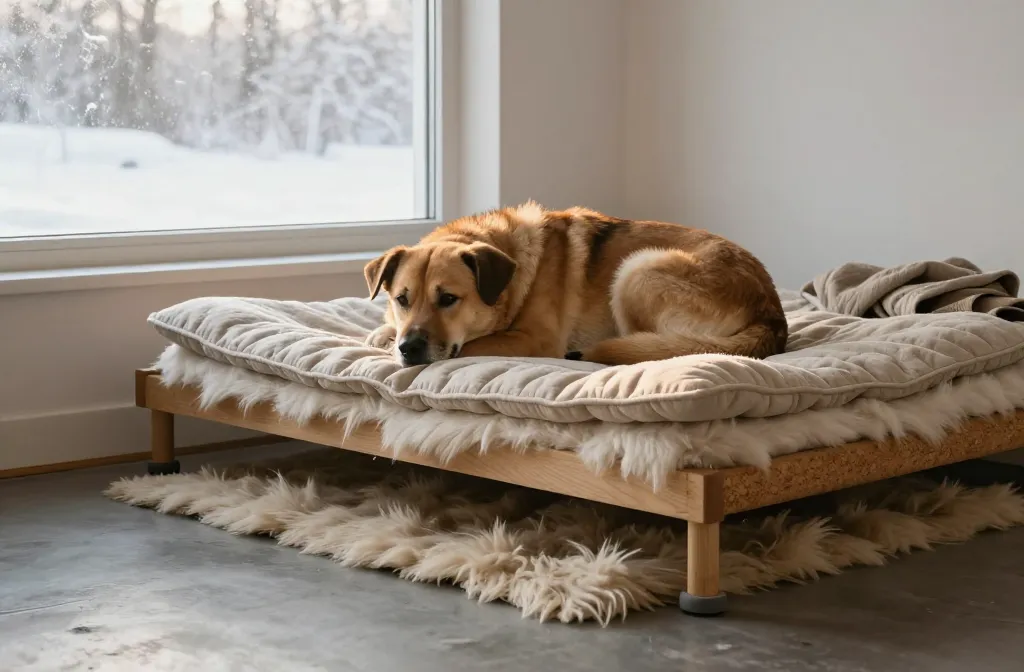
Cold sinks. So lift your dog off tile or concrete and trap heat where it counts. A raised cot with a tight mesh base adds airflow in summer, but in winter you’ll pair it with insulating layers so body warmth doesn’t escape.
- How to do it: Place a non-slip rug pad, then a dense wool rug or cork mat under the cot. Add a fitted pad on top of the cot (closed-cell foam or a thick quilted insert) to block drafts from below.
- Best for: Dogs that run warm, mudrooms, uncarpeted bedrooms, or basements.
IMO: I’d pick a cot with rubber feet to stop cold transfer and sliding. I’d skip bare metal frames on stone floors without a rug buffer.
Material Checklist
- Under-cot layer: wool rug, cork mat, or dense felt
- Top pad: orthopedic foam insert with washable cover
- Non-skid rug pad to keep it all in place
Pet safety: Choose chew-resistant fabrics and covers with hidden zippers. No loose cords. Inspect weekly for frayed edges.
Orthopedic Foam With Thermal Covers
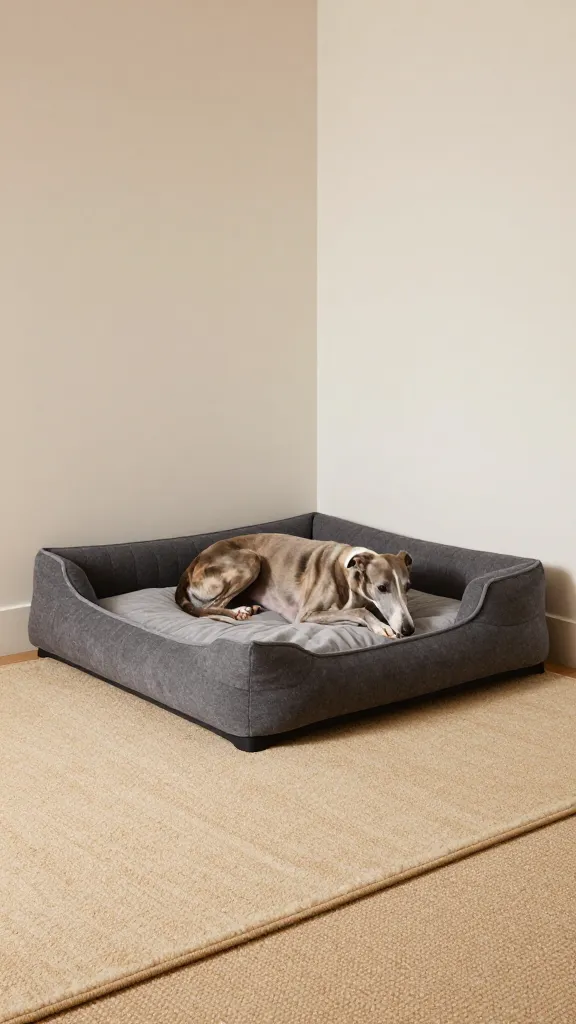
An orthopedic base keeps joints aligned and traps warmth when paired with the right cover. Skip cheap, airy foam that compresses and chills. Look for high-density foam with a zippered, machine-washable outer shell.
- How to do it: Add a thermal reflective liner between the foam and cover. Many “space blanket” style liners reflect body heat without electricity. Sandwich it so it doesn’t crinkle loudly.
- Best for: Seniors, thin-coated breeds, drafty living rooms.
Worth it if your dog wakes stiff or curls into a tight ball. The support plus gentle heat bounce-back helps them relax.
What to Look For
- CertiPUR-US or equivalent foam for low VOCs
- Grippy bottom to stop the bed from skating across wood floors
- Tightly woven covers to reduce heat loss and block hair
Bolsters and Cave-Style Beds (Without Overheating)
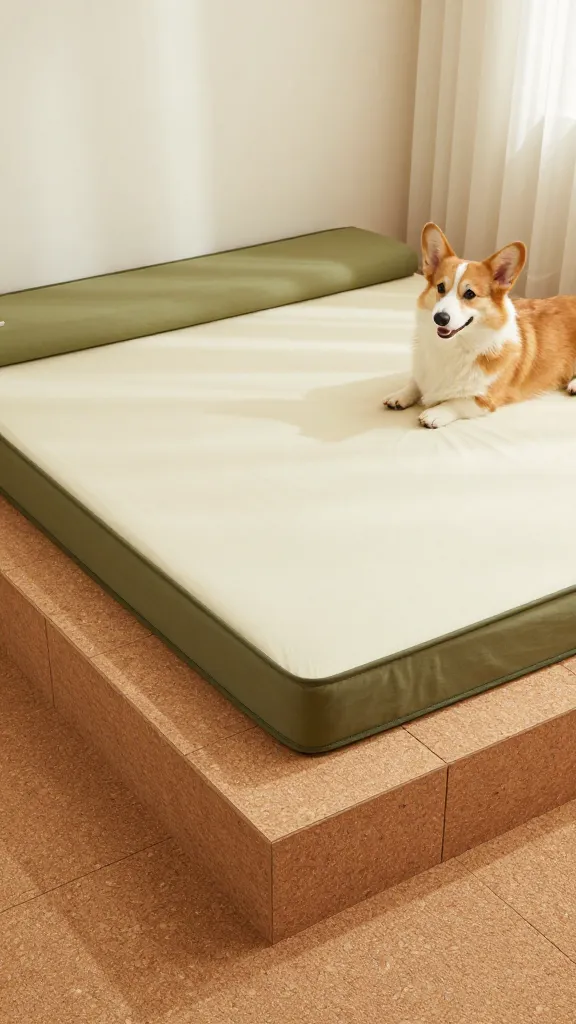
Walls matter. Bolsters or hooded “cave” beds shield your dog from cross-breezes and let them curl against padded sides. But you want breathable fabrics so moisture doesn’t get trapped.
- How to do it: Choose a bed with tall bolsters or a structured hood and line it with a wool or sherpa insert. If your dog chews, pick a canvas or tightly woven microfiber exterior.
- Best for: Small to medium pups, anxious sleepers, and dogs that burrow.
IMO: I’d pick a removable hood over a fixed one for easier washing. I’d skip floppy hoods that collapse and trap damp air.
Placement Tips
- Face the opening away from doors or windows
- Keep the bed 6–12 inches from exterior walls to avoid cold radiating through
- Use a draft stopper under doors near the bed
Layer Smart: Blankets, Quilts, and Washable Throws
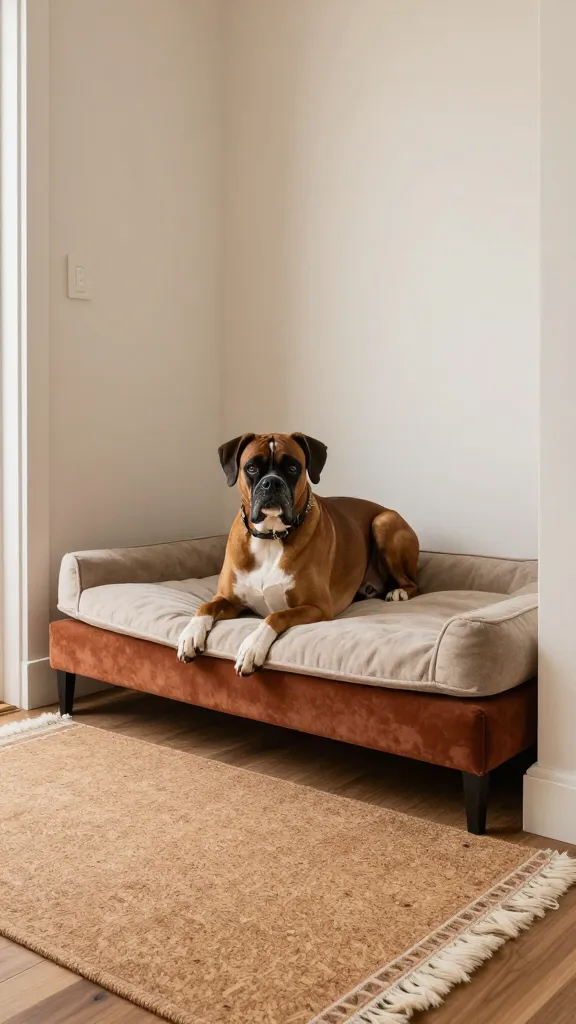
Think sandwich: warm layer against your dog, dense layer on top to trap heat, textured base to prevent sliding. Wool, sherpa, and heavyweight cotton quilts work well. Skip loose fringe or tassels—tempting to chew and swallow.
- How to do it: Start with the bed, add a fitted fleece cover, toss on a quilted throw, then fold a wool blanket at the foot your dog can nuzzle into.
- Best for: Any room that gets nightly temperature dips; dogs that like to rearrange their nest.
Worth it if you want easy laundry. Rotate two sets and wash weekly to keep dander and odors in check.
Fabric Picks (Safe + Practical)
- Wool or wool blend for heat retention even if damp
- Sherpa fleece for softness without shedding fibers
- Heavy cotton quilts for weight and durability
Pet safety: Avoid buttons, zips without covers, and decorative beads. Keep everything flat and secure.
Crate Makeovers for Warmth and Style
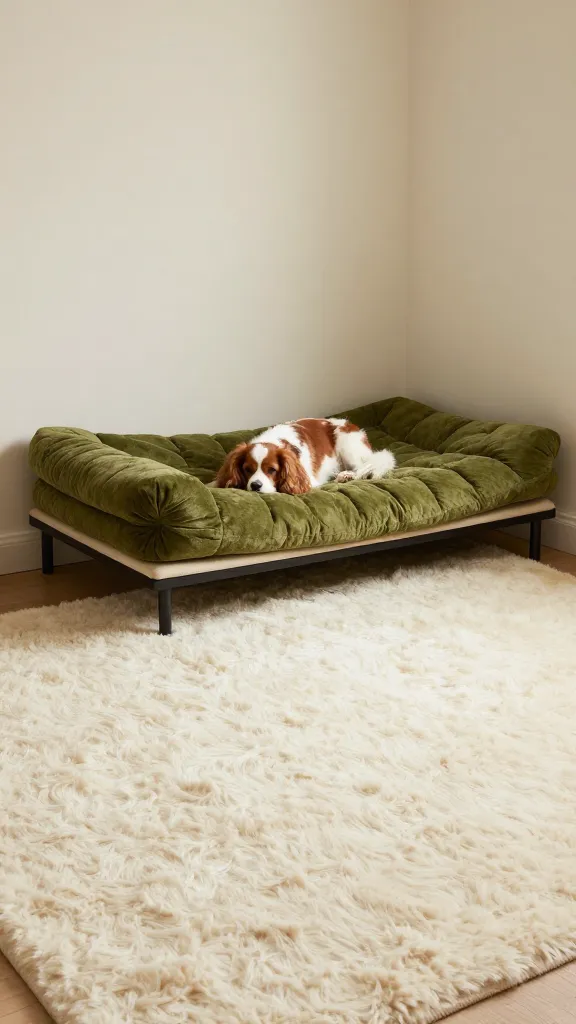
Crates can feel chilly without some thoughtful layering. You’ll create a microclimate that blocks drafts while allowing airflow.
- How to do it: Line the base with a fitted orthopedic pad. Add a breathable crate cover (canvas or thick cotton) that leaves the front mostly open. Slide a cork mat or wool felt under the crate to reduce floor chill.
- Best for: Dogs already crate-trained, apartments with drafty hallways, bedrooms near windows.
IMO: I’d pick a cover with ties or elastic corners that won’t slip. I’d skip heavy plastic covers that trap humidity.
Safe Decor Around the Crate
- Use wood or fabric bins on shelves above the crate—no glass items
- Attach decor high with Command hooks; avoid anything dangling into reach
- Add a shatterproof framed print above eye level for style without risk
DIY Bed Upgrades (Fast, Cheap, and Effective)
Small tweaks can make a bigger difference than you think. You don’t need a workshop or a sewing machine for these.
- Thermal insert hack: Slip a trimmed reflective emergency blanket between two pillowcases and tuck it under the bed cover. Quiet, removable, and warm.
- Riser frame: Place 1–2 inch furniture risers under a flat platform or low cot to increase airflow away from the cold floor. Add felt pads to prevent slipping.
- DIY bolster: Roll a wool blanket into a tube, insert into a cover, and place along the back edge of the bed to block drafts.
Best for: Budget setups, guest rooms, or temporary winter arrangements.
Worth it if you want measurable warmth without buying another bed.
Room Layout: Warm Corners Win
Even the best bed fails in the wrong spot. A few layout tweaks can swing nighttime temps by several degrees.
- How to do it: Move the bed to an interior wall away from windows. Add a thick area rug under and around the bed to reduce cold radiation from the floor. Use a solid screen (wood or fabric) to break up drafts in open-plan rooms.
- Best for: Large living rooms, older homes with leaky windows, and homes where the thermostat drops overnight.
IMO: I’d pick interior corners near furniture (sofa side or bookcase nook). I’d skip placing the bed under window sills in winter—too chilly.
Common Mistake to Avoid
Stacking fluffy layers with zero density. Fluff feels nice but leaks warmth. Always pair softness (fleece, sherpa) with weight or density (wool, quilted cotton, quality foam). Another biggie: crowding the bed near radiators or fireplaces. Heat sources can scorch fabrics and pose a burn risk, and curious chewers don’t mix with hot surfaces—hard pass.
FAQ
How can I tell if my dog is cold at night?
Watch for tight curling, shivering, or choosing to sleep on your clothes. If they burrow deep under blankets or move off tile onto rugs, they want more warmth. Try adding a wool layer and shifting the bed away from windows.
Are self-warming (reflective) beds safe?
Yes, if you enclose the reflective layer inside a fabric cover so it won’t crinkle loudly or tempt chewing. Choose versions without loose film edges, and check seams weekly. Avoid any model with beads or tiny parts.
What materials keep warmth best without electricity?
Wool leads the pack, followed by dense cotton quilts and closed-cell foam. Sherpa adds comfort but needs a denser partner. Cork and felt underlays help block floor chill.
Can I use a heated pad if I skip space heaters?
If you go electric, pick a low-watt pet-rated pad with chew-resistant cords and auto shutoff, and place it under a cover. That said, many dogs do great with non-electric layers when you use wool, a draft barrier, and the right placement.
How often should I wash winter bed layers?
Weekly for covers and throws, every 2–4 weeks for foam covers and crate covers, and seasonally for rugs. Rotate two sets so your dog never loses their familiar scent completely.
Do bolsters help with drafts?
Absolutely. Tall bolsters or a cave hood create a windbreak. Position the opening away from the room’s main airflow and back it with a solid surface like a cabinet or interior wall.
Conclusion
You don’t need a space heater to keep your dog warm at night. Elevate the bed, add dense insulation, block drafts with bolsters or a crate cover, and choose smart fabrics like wool and quilted cotton. With the right layers and placement, your pup gets a snug sleep zone, and your home still looks pulled together. IMO, start with foundation and fabric—those fixes deliver the biggest warmth boost for the least effort.
As an Amazon Associate, I earn from qualifying purchases.