
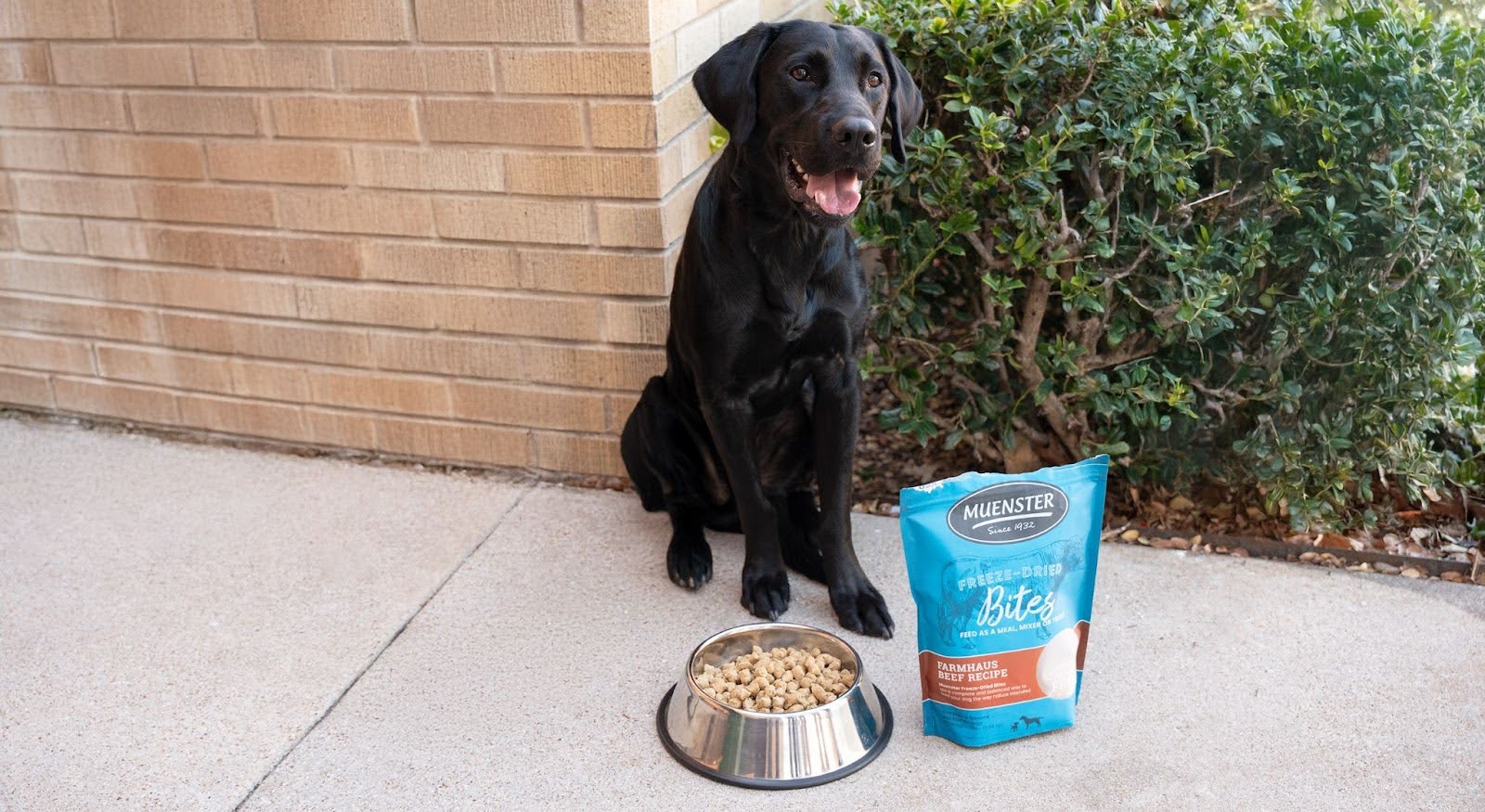
Key Takeaways:
- Difference Between Air Dried and Freeze Dried Food: Air dried food brings a dense, chewy bite that’s ready to serve straight from the bag, while freeze dried food stays light and crisp, then softens fast with a splash of water.
- Side-By-Side Nutrient Retention and Flavor Profiles: Freeze dried compared to air dried tends to better protect delicate nutrients thanks to ultra-low temps, plus many pups love its bold aroma and “fresh-meat” vibe. Air dried versus freeze dried dog food often wins hearts with roastier, slow-dried richness and a satisfying chew.
- Spotlighting Digestibility and Gut Health Considerations: Both styles can feel gentler than heavily processed kibble for many dogs, since they avoid high-heat processing. Freeze dried vs air dried may be easier for sensitive tummies once rehydrated, while air dried can support a steadier digestion rhythm for pups who prefer a heartier texture.
It should be simple: you just want to feed your dog well. But if you’ve ever found yourself lingering in the pet food aisle or scrolling endlessly through product reviews, you know how tricky it’s gotten. Air dried versus freeze dried dog food both promise hearty flavor, long shelf life, and nutrition that feels fresher than your usual bag of kibble. But what do these terms really mean for your pup?
At Muenster, we meet pet parents where they are. We get it: you’re juggling work, family, friendships, and above all, you just want to see your dog’s tail wag with joy. That’s why we believe choosing between air dried and freeze dried dog food shouldn’t feel like decoding a secret code. It’s about savoring the unfiltered moments—those exuberant zoomies, muddy snouts, and the gentle sigh of your pup curled up after a good meal.
This guide cuts through the confusion to lay out the facts, flavors, and practical realities of air dried vs freeze dried dog food. By the end, you’ll know exactly what’s going into your dog’s bowl, why it matters, and which option fits seamlessly into your busy, loving life. Uncomplicated nutrition, legendary Texas flavor, and more happy barks—let’s dig in.
Difference Between Air Dried and Freeze Dried Food
When pet parents are weaving through endless dog food aisles or scrolling reviews until thumbs go numb, the options can start to blur together. Air dried vs freeze dried dog food sounds like a small detail, yet the process behind each style shapes texture, convenience, and how the ingredients show up in the bowl. Here’s a clear look at the difference between air dried and freeze dried dog food, without the industry word salad.
Air Dried Dog Food: Slow-Dried, Chewy, and Ready to Serve
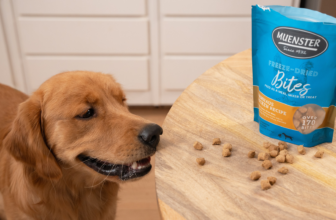
Air drying removes moisture gradually using warm air, creating a shelf-stable food that keeps a hearty, jerky-like chew. As a result, pieces tend to feel dense and satisfying, which many pups treat like dinner with a built-in reward. From a day-to-day routine standpoint, air dried food usually works straight from the bag, making mealtime feel simple even on the busiest weeks.
Freeze Dried Dog Food: Crisp, Lightweight, and Easy to Rehydrate
Freeze drying starts by freezing raw ingredients, then lowering pressure so moisture leaves as vapor without passing through a liquid stage. That method creates light, crisp bites that rehydrate quickly with a splash of water, or crunch easily as-is. For treat moments, this format also slides naturally into training and rewarding. For a deeper look at snack-style options, check out our guide to understanding freeze-dried treats.
Freeze Dried Compared to Air Dried: Side-By-Side Nutrient Retention
The goodness that stays in your dog’s bowl. Both air dried and freeze dried dog foods promise better nutrition than heavily processed kibble, but how do they actually stack up when those fresh ingredients meet their fate?
Why Freeze Drying Holds Onto More Nutrients
Freeze drying starts with real ingredients like meat and produce, frozen solid to “pause” everything in place. After that, a vacuum pulls moisture out as vapor, so the ingredients avoid high heat and keep their structure. As a result, freeze dried vs air dried comparisons often favor freeze drying for nutrient preservation, since sensitive nutrients face less temperature stress during processing.
For readers who want a closer look at how that process works step by step, how freeze-dried chicken is made breaks it down in an easy, practical way. For a deeper dive into why freeze-dried formats can be such a smart fit for busy routines, our post on benefits of freeze-dried food covers the “why” behind the hype without turning it into a snooze-fest lecture.
Air Dried Versus Freeze Dried Dog Food
Air drying takes a slower route, using warm air over time to pull moisture out while keeping the food shelf-stable and hearty. Since the process uses more warmth than freeze drying, some fragile vitamins may fade a bit more. Even so, air dried versus freeze dried dog food comparisons still show air drying doing a solid job preserving proteins and minerals, plus delivering that dense, chewy texture many pups treat like a dinner upgrade.
Ultimately, freeze dried compared to air dried tends to win for protecting the most delicate nutrients, while air dried often shines for its satisfying chew and easy scoop-and-serve convenience. Regardless, the best match usually comes down to a dog’s preferences, your day-to-day routine, and the kind of mealtime joy that keeps tails thumping.

Freeze Dried vs Air Dried Flavor Profile Comparisons
Dogs might not ask for a wine list, but when it comes to savoring their food, they’re more discerning than people give them credit for. Both freeze dried and air dried options bring a bigger flavor moment than traditional kibble. Still, the difference between air dried and freeze dried dog food shows up fast once a pup takes that first bite.
Freeze dried dog foods lock in aroma, texture, and flavor by removing moisture at ultra-low temperatures. Fresh chicken or beef gets frozen close to the source, then dried into tender morsels that taste remarkably true to the original ingredients.
Many dogs go wild for freeze dried because the pieces smell intensely meaty, feel slightly crumbly, and rehydrate quickly into something soft and fragrant. For pups who love a “sprinkle something exciting on top” moment, freeze-dried dog food toppers explained breaks down how toppers can turn an everyday bowl into a tail-thumping event.
Meanwhile, air dried dog foods take a slower stroll down flavor lane. Gentle drying at low temperatures brings out deeper, roasted notes, like the richness that comes from slow-cooked meats. The texture stays chewy and dense, almost jerky-like, so each bite feels like a satisfying little project. Dogs who love to gnaw and savor often lean toward air dried versus freeze dried dog food for that hearty chew and bold, toasty flavor.
Ultimately, freeze dried compared to air dried comes down to a pup’s palate and personality. Freeze dried brings that “just-add-water” softness and big aroma, while air dried delivers a deeper chew and roastier richness.

Digestibility and Gut Health: Air Dried vs Freeze Dried Dog Food
When it comes to choosing between air dried vs freeze dried dog food, one of the most important, yet often overlooked, factors is how easily your pup can digest their meal, and how it supports the intricate world of their gut health.
Air Dried Dog Food: A Hearty Texture That Many Dogs Digest Well
Air dried dog foods are gently dehydrated at low heat for hours, which helps maintain the original texture and fiber content of meats and vegetables. As a result, digestion often feels slower and steadier, which can be a relief for sensitive stomachs. Many pet parents notice firmer stools, less gas, and a more predictable rhythm, making morning walks feel smoother and less stressful.
Freeze Dried Dog Food: Light and Easier on Sensitive Tummies
Freeze dried foods lock in freshness through a different process, freezing ingredients at ultra-cold temperatures before moisture is vacuumed away. The texture becomes light and crumbly, then softens quickly with water. For dogs with food sensitivities, freeze dried compared to air dried can feel easier to tolerate, since the ingredient lists often stay short and simple.
For snacktastic moments that keep ingredients straightforward, beef liver freeze-dried snacks can be a convenient option that fits the same freeze-dried philosophy.

Final Thoughts
If you’ve made it this far, chances are, you’re the kind of pet parent who scans ingredients lists like a detective and wants every meal to put a wag in your dog’s tail without upending your budget. When it comes to air dried vs freeze dried dog food, there’s no single “one-size-fits-all” champion; it’s really about what’s right for you and your four-legged shadow.
Air dried dog food answers the call for nutrition-packed simplicity. Freeze dried food locks in the vibrant flavors and raw nutrition of fresh meat, making every bowl feel a little more special (and a lot more irresistible for adventure-loving pups). Both do away with excessive fillers or overprocessing, letting the goodness shine through.
At Muenster, we believe healthy choices should be accessible, not intimidating. Whether you’re sprinkling freeze dried treats over dinner or switching to air dried for everyday feeding, the most important thing is finding food that fits your dog’s needs and your lifestyle. After all, their happiness (and those happy zoomies) start with wholesome nutrition. Let your dog be a dog, and make every meal count.
Frequently Asked Questions About Air Dried vs Freeze Dried Dog Food
Which type has a longer shelf life?
Freeze dried dog food usually takes the prize here. Thanks to the ultra-low moisture levels created by freeze drying, these foods tend to stay fresh longer—often up to 2 years if kept sealed and cool. Air dried foods still have an impressively long shelf life, but not quite as long as their freeze dried counterparts. Either way, keep both types in a sealed bag in a dry pantry for maximum longevity.
Does freeze drying preserve nutrients in dog food?
Absolutely. Freeze drying is all about locking in nutrients. By gently freezing the food and removing moisture in a vacuum, most of the original vitamins, minerals, and flavors are preserved far better than traditional processing. That means your dog gets a meal that’s as close to fresh as possible, no nutrients left behind.
Does my dog need rehydration for either type?
Freeze dried food does not need to be rehydrated before serving, but some pups may prefer a softer texture and benefit from the additional hydration. Air dried foods are generally softer and ready to eat straight from the bag.
Which has a stronger smell?
Air dried dog food tends to smell stronger, kind of like jerky or dehydrated meat. That bold aroma is a magnet for picky eaters, but it can be intense for humans. Freeze dried food, on the other hand, has a milder scent, making it a subtler option for scent-sensitive households (and plenty enticing for dogs, too).
Can puppies eat air dried or freeze dried dog food?
Yes! Both air dried and freeze dried dog foods are completely safe for puppies, as long as the recipe is formulated for “all life stages.” Look for options that meet AAFCO standards. Muenster’s nutrient-rich recipes are designed for every age, from your tiny explorer to your silver-muzzled sidekick.
How do the protein levels compare between air dried and freeze dried dog food?
Both air dried and freeze dried foods are famous for their high protein punch, often boasting more protein per bite than traditional kibble. The main difference? Freeze dried food can sometimes edge ahead, since the process removes nearly all moisture. That said, it’s the top-quality protein source, not just the percentage, that makes the real difference for your pup.
How is freeze dried dog food made?
Freeze drying is a two-step super-science: first, the food is frozen solid to lock in all the good stuff. Then, a vacuum pulls out the moisture, leaving all that premium nutrition, texture, and flavor behind, minus the water. No high heat, no nutrients lost, just pure, shelf-stable goodness made for busy lives and hungry dogs.
How is air dried dog food made?
Air drying is like a slow-and-steady win for flavor. The food is gently exposed to warm air—low and slow, not hot and fast. This method gradually removes moisture without cooking away the nutrients. The result is soft, chewy pieces that keep their natural meaty flavor and are ready for your dog, straight from the bag.
Sources:
- Swanson, K. S., Geary, E. L., & Templeman, J. R. (2024). Effects of processing method on nutrient digestibility and fecal outputs in adult dogs fed frozen raw, freeze‑dried raw, fresh, or extruded diets. Translational Animal Science. https://doi.org/10.1093/tas/txae163
- Freeman, L. M., & Michel, K. E. (2021). Comparative digestibility of dry (extruded) and raw food diets in dogs. Veterinary Paper, 6(2), 16–25. https://doi.org/10.1234/vetpaper.2021.6.2.16
- Hamper, J., Kerr, K. R., et al. (2015). Impact of processing conditions on protein digestibility in pet foods. Journal of Canine Nutrition & Metabolism, 3(1), 45–54. https://doi.org/10.1016/j.jcnm.2015.03.004
- Wall, T., & Others (2022). Amino acid digestibility in freeze-dried pet foods: comparative analysis of freeze-dried formats. Petfood Industry Journal. (December 7, 2022).